
Quick Read
- Direct strikes on the Fujairah oil hub have forced a total suspension of loading operations, threatening a key bypass for global oil exports.
- An unidentified projectile hit a Kuwaiti tanker, while debris from aerial strikes in Abu Dhabi resulted in a civilian fatality.
- The escalation targets the UAE’s critical energy infrastructure, undermining the primary alternative to the blocked Strait of Hormuz.
FUJAIRAH (Azat TV) – The Fujairah Oil Industry Zone, a critical artery for global energy markets, sustained direct hits on March 17, 2026, as the ongoing conflict in the region expanded to target vital United Arab Emirates energy infrastructure. The strikes, which involved drone incursions and projectile attacks, forced an immediate suspension of loadings at the port, heightening fears over the security of the Strait of Hormuz and the stability of global oil supplies.
Targeting the UAE’s Strategic Energy Bypass
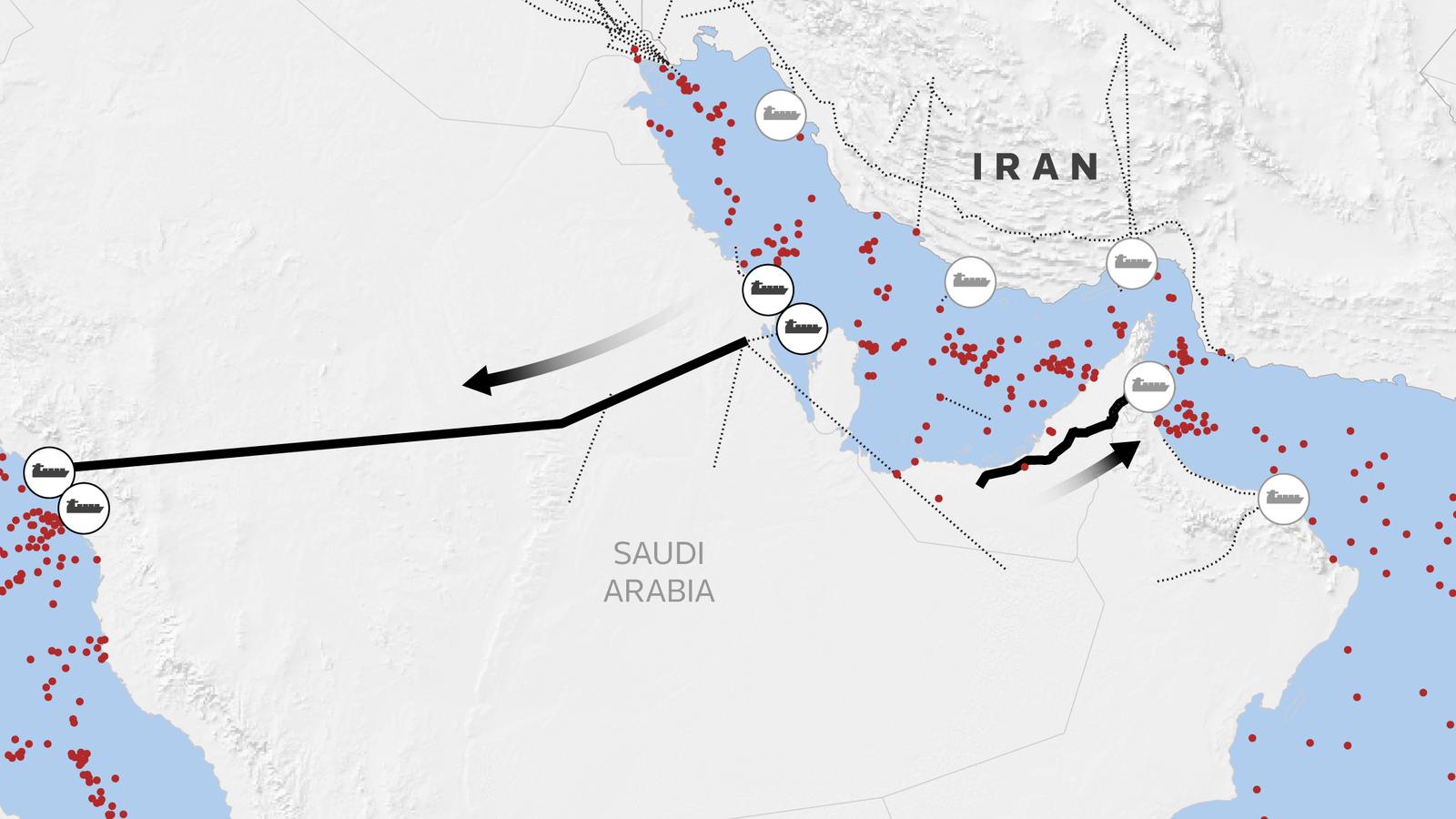
The attack on the Fujairah facility is particularly significant because the port has served as the primary relief valve for Gulf nations attempting to bypass the blocked Strait of Hormuz. According to data from the International Energy Agency, the Habshan-Fujairah pipeline had been operating at its maximum capacity of 1.8 million barrels per day in recent weeks to mitigate the closure of the strait. By striking this hub, the conflict has moved beyond the naval chokepoints and directly into the heart of the Gulf’s alternative export infrastructure.
Unknown Projectile Strikes Kuwaiti Tanker
Concurrent with the port strikes, a Kuwaiti-flagged tanker sustained heavy damage from an unidentified projectile in the Gulf of Oman. Maritime authorities are currently assessing the debris, which has been linked to a wider series of drone strikes across the region. In a related incident, reports from Abu Dhabi confirmed the death of a Pakistani national following the impact of debris from a separate aerial engagement, marking the first civilian casualty linked to the structural damage within the UAE’s industrial zones.
Stakes for Global Energy Security
The disruption at Fujairah and the targeting of civilian shipping highlight the fragility of the current bypass strategy. As Tehran maintains its blockade of the Strait of Hormuz, the ability of Gulf states to maintain global supply levels is now being systematically tested. Analysts warn that if these facilities remain compromised, the market will face a severe tightening of supply that could trigger unprecedented volatility in energy prices, as the region’s secondary export routes are now as vulnerable as the primary maritime corridors.
The direct targeting of UAE energy infrastructure signals a shift from purely naval confrontations to a campaign of industrial attrition, suggesting that the conflict has entered a phase where the global energy supply chain is no longer a neutral bystander but a primary theater of war.