


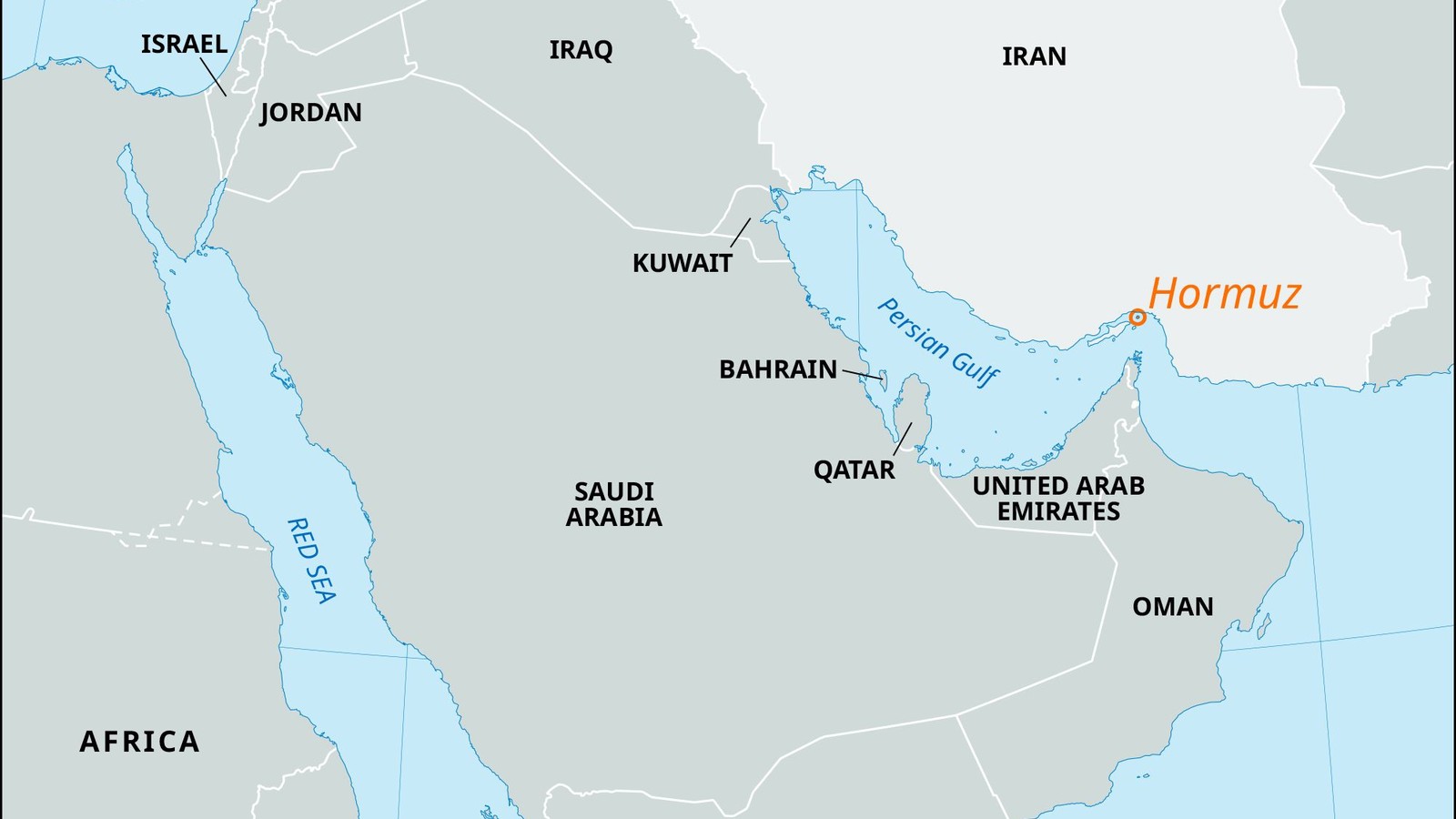
Strait of Hormuz and Global Energy Security
As the conflict persists, Iran has increasingly leveraged its strategic position along the northern shore of the Strait of Hormuz to disrupt global energy transit. Analysts suggest that the Islamic Revolutionary Guard Corps (IRGC) is utilizing the chokepoint as a mechanism for endurance, aiming to extract concessions from the global economy and the United States. While President Donald Trump has called for an international coalition to secure navigation in the region, European allies have largely declined to participate, with EU officials indicating there is no appetite for military involvement in what they classify as a non-European war.
Escalating Military Operations in Lebanon and Tehran
Military operations have intensified on multiple fronts. In Lebanon, Israeli airstrikes continue to target Hezbollah strongholds in the southern suburbs of Beirut and Bint Jbeil, contributing to a humanitarian crisis that has displaced over one million people. Meanwhile, the Israeli military has confirmed new strikes within Tehran, while Iran continues to target US military bases and energy assets in Iraq, including the Majnoon oil field. The rhetoric from Iranian officials remains defiant, with the military spokesman Ebrahim Zolfaghari stating that the battlefield, not social media, will determine the outcome of the war.
Diplomatic Friction and Regional Implications
Beyond the immediate combat, the conflict has exposed deep fissures in regional diplomacy. Iran’s Parliament Speaker Mohammad Baqer Qalibaf has rejected the legitimacy of US-led security initiatives, insisting that regional security must be established exclusively by neighboring countries. This stance is bolstered by the ongoing drone exchanges across eastern Saudi Arabia, where the Ministry of Defence reported the destruction of 14 drones in a single period. As the death toll surpasses 2,000, the inability of the international community to reach a ceasefire remains a central concern for global stability.
The strategic utilization of the Strait of Hormuz as a primary lever of pressure indicates that the conflict has shifted from a localized military engagement to a systemic threat against global energy infrastructure, making a diplomatic resolution increasingly difficult as long as Iran maintains its capacity to disrupt transit through the chokepoint.