
Quick Read
- Governor Gavin Newsom strongly opposed President Trump’s executive order banning state-level AI regulation.
- California passed a landmark AI transparency law in September 2025, now threatened by federal preemption.
- Tech industry lobbyists met privately with Democratic governors, raising concerns about industry influence.
- Child safety and labor groups have joined lawmakers in condemning the executive order.
- Legal challenges are expected as California and other states prepare to fight the order in court.
Newsom’s Swift Rejection: The Battle Over AI Regulation Begins
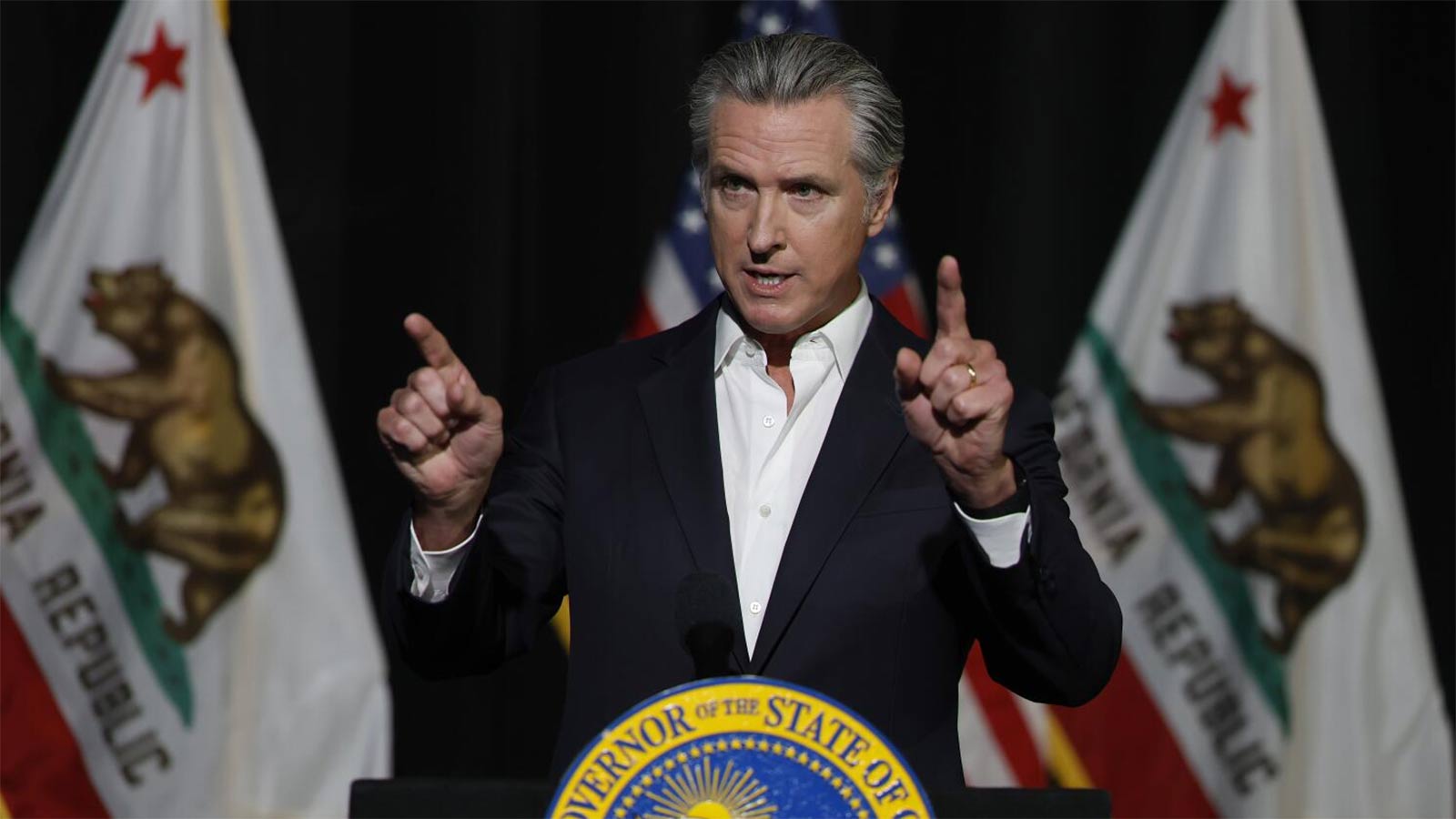
The clash between California Governor Gavin Newsom and President Donald Trump over artificial intelligence regulation exploded into public view just hours after Trump signed his sweeping executive order. The order, which aims to block states from setting their own rules for AI, triggered an immediate and fierce response from Newsom, who accused the administration of prioritizing ‘grift and corruption’ over genuine innovation. In a blunt statement, Newsom declared, ‘President Trump and David Sacks aren’t making policy – they’re running a con,’ referencing the President’s tech adviser and so-called crypto ‘czar.’ Newsom’s condemnation wasn’t just rhetoric—it signaled the start of a high-stakes legal and political fight, with California squarely in the crosshairs.
The backdrop is California’s newly minted Transparency in Frontier Artificial Intelligence act, signed by Newsom in September 2025. This landmark law compels developers of large AI models—so-called ‘frontier models’—to publish transparency reports and promptly report safety incidents, with fines reaching up to $1 million for violations. Newsom has repeatedly positioned California as a leader in responsible tech regulation, arguing, ‘Our state’s status as a global leader in technology allows us a unique opportunity to provide a blueprint for well-balanced AI policies beyond our borders.’ His stance is clear: in the absence of federal leadership, states must step up to protect their citizens.
Trump’s Executive Order: Tech Industry Triumph or Overreach?
President Trump’s executive order represents a significant victory for major tech companies, many of which have lobbied aggressively against state-level AI regulations. The order establishes an AI Litigation Taskforce, empowered to review and challenge state laws deemed to hinder ‘the United States’ global AI dominance.’ It goes further, threatening to withhold federal broadband funding from states that refuse to comply—a move critics say amounts to federal overreach.
Child safety organizations, labor unions, and state officials immediately voiced their opposition. California Democratic representative Sara Jacobs denounced the order as ‘deeply misguided, wildly corrupt, and will actually hinder innovation and weaken public trust in the long run.’ She pledged to fight the order through both courts and Congress. California’s attorney general, Rob Bonta, echoed these concerns, promising to ‘examine the legality or potential illegality of such an executive order,’ setting up a possible precedent-setting legal showdown.
But the drama isn’t confined to California. Lawmakers from Colorado to Virginia to New York joined the chorus of critics. Don Beyer of Virginia called the order ‘a terrible idea’ that would create ‘a lawless Wild West environment for AI companies.’ New York assemblymember Alex Bores described it as ‘a massive windfall for AI companies,’ suggesting the administration had been swayed by tech industry lobbying. Even Steve Bannon, a longtime Trump ally, criticized the policy, claiming the President had been misled by his advisers.
Democratic Governors: Silence, Lobbying, and Political Calculus
Despite the widespread backlash, many Democratic governors remained conspicuously quiet. According to Truthout, tech giants like OpenAI and Meta sent teams of lobbyists to the Democratic Governors Association’s annual meeting in Phoenix, just days before Trump’s order was signed. California’s Gavin Newsom, Michigan’s Gretchen Whitmer, Kentucky’s Andy Beshear, and Maryland’s Wes Moore reportedly attended closed-door meetings with these lobbyists—fueling speculation about the influence of industry money and the political ambitions of attendees, some of whom may be eyeing future White House bids.
The silence from Democratic governors stood in stark contrast to their Republican counterparts. Seventeen GOP governors had previously warned Congress not to preempt state protections on AI, and a trio—Spencer Cox (Utah), Ron DeSantis (Florida), and Sarah Huckabee Sanders (Arkansas)—continued to voice their opposition after the executive order was signed. Newsom’s critics point to his veto last year of what would have been the nation’s strongest AI safety law as evidence of wavering commitment, suggesting that political calculations and industry influence may be tempering public resistance.
The AI industry’s growing political clout is hard to ignore. As Truthout notes, record campaign contributions flowed from AI firms during the 2024 cycle, and some Democratic lawmakers hold personal investments in AI stocks. While some Democrats, such as Congresswoman Alexandria Ocasio-Cortez, push for stronger regulation, observers worry that party leaders are ‘following the money’ instead of voter sentiment, which polls show strongly favors robust AI guardrails.
Public Outcry: Child Safety and Civil Liberties at Stake
Beyond the halls of government, the executive order has galvanized advocacy groups, especially those focused on child safety. Organizations like Common Sense Media and Heat Initiative argue that the AI industry’s ‘relentless race for engagement already has a body count,’ referencing lawsuits over children harmed by chatbot interactions. James Steyer of Common Sense Media was blunt: ‘Americans deserve better than tech industry handouts at the expense of their wellbeing.’ Sarah Gardner of Heat Initiative declared, ‘Parents will not roll over and allow our children to remain lab rats in big tech’s deadly AI experiment.’ The stakes, advocates insist, are not just economic—they’re deeply personal.
Bereaved parents and child protection organizations continue to press for stronger safeguards, releasing public service announcements and working to pass legislation that would shield children from harmful AI and social media platforms. Their activism underscores a central tension: while innovation offers promise, unchecked technological growth risks exposing society’s most vulnerable members.
The Road Ahead: Legal Fights and the Future of AI Policy
As California gears up for a legal battle against the White House, the rest of the nation watches closely. The outcome could reshape the balance of power between states and the federal government—not only on AI, but on a host of emerging technologies. Newsom’s resistance may inspire other states to defend their regulatory autonomy, or conversely, the federal government may succeed in imposing a uniform, industry-friendly approach.
What’s clear is that the debate over AI policy is no longer confined to tech circles—it’s a defining issue for American democracy, pitting state rights against federal authority, public safety against corporate profit, and transparency against secrecy. With campaign season looming and 2028 presidential ambitions swirling, leaders like Newsom face a pivotal choice: side with voters and advocates demanding real safeguards, or with the industry titans shaping the future from behind closed doors.
The struggle between Newsom and Trump over AI regulation is more than a battle of personalities—it’s a test of whether American democracy can keep pace with the rapid evolution of technology, balancing innovation with accountability. The outcome will likely determine not only how AI is governed, but who gets to decide the rules for the digital age.