
Quick Read
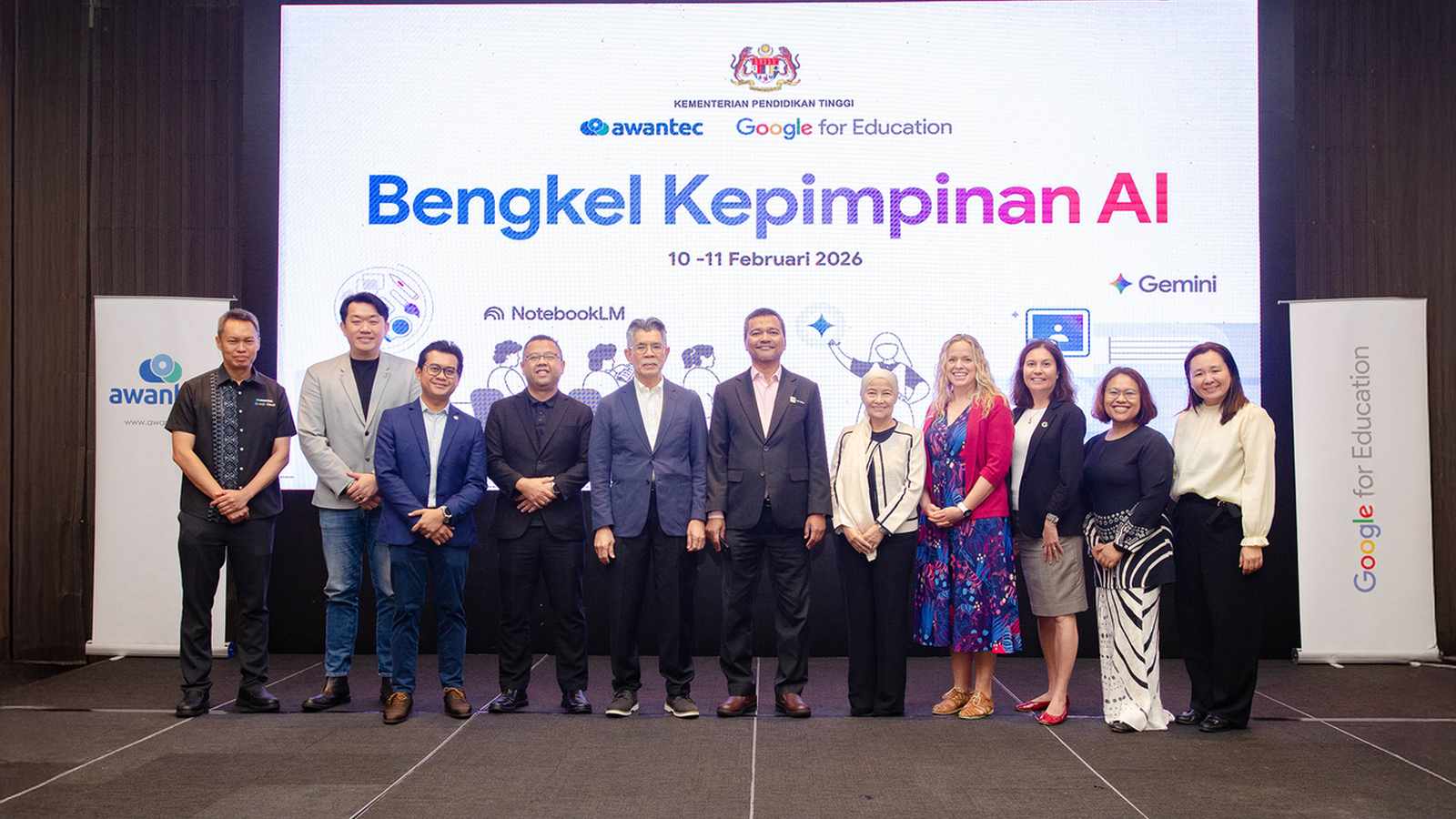
- Gemini for Education has been deployed across 20 Malaysian public universities, impacting nearly 600,000 students.
- The OpenClaw framework now supports Gemini 3.1, allowing developers to route between multiple AI models for better architectural flexibility.
- Rising concerns over AI-generated content in e-books and audiobooks highlight the need for greater transparency in algorithmic authorship.
Google’s Gemini AI is rapidly embedding itself into diverse professional ecosystems, from large-scale academic deployments in Malaysia to integration within cutting-edge developer frameworks. As the technology gains momentum, the dual challenges of algorithmic bias and data privacy have moved to the center of the conversation regarding how users interact with information.
Expanding Frontiers in Academic and Professional Environments
The recent adoption of Gemini for Education across all 20 public universities in Malaysia represents a significant milestone in AI-assisted learning. By integrating Google’s Gemini 3.1 Pro and pedagogical models like LearnLM into the academic framework, nearly 600,000 students and 75,000 faculty members now utilize AI for research and writing. This initiative, supported by the Ministry of Higher Education, aims to foster AI literacy while providing tools such as Deep Research and personalized Gems, which allow users to create customized study partners without needing advanced coding skills.
Framework Flexibility and the Rise of AI Routers
Parallel to these institutional deployments, the developer community is seeking greater control over how these models function. The open-source framework OpenClaw has recently launched a major update that includes native support for Gemini 3.1 Flash and OpenAI’s GPT-5.4. By acting as a model router, OpenClaw allows developers to swap between various large language models, effectively mitigating the risks of vendor lock-in and service interruptions. The introduction of a ContextEngine plugin interface further enables developers to manage memory and data processing, addressing longstanding concerns about how AI interprets long-form context and retains user-specific information.
Navigating Algorithmic Bias and Information Integrity
As AI-generated content becomes more prevalent, the challenge of identifying and vetting such information remains a critical issue. While institutional settings often benefit from controlled, curated AI environments, the broader digital landscape is seeing a surge in automated content that lacks transparency. Reports indicate that AI-authored e-books and synthesized audiobooks are flooding retail platforms, often with little disclosure regarding their origins. This trend has heightened user concerns about information integrity, as awkward phrasing and potential algorithmic biases inherent in generative models can skew the quality of research and creative output.
The integration of Gemini AI into both structured institutional settings and flexible, user-controlled frameworks reveals a clear tension: while AI offers immense potential for efficiency, the absence of standardized transparency in content generation creates an urgent need for better tools to verify information and audit the biases inherent in the models themselves.