
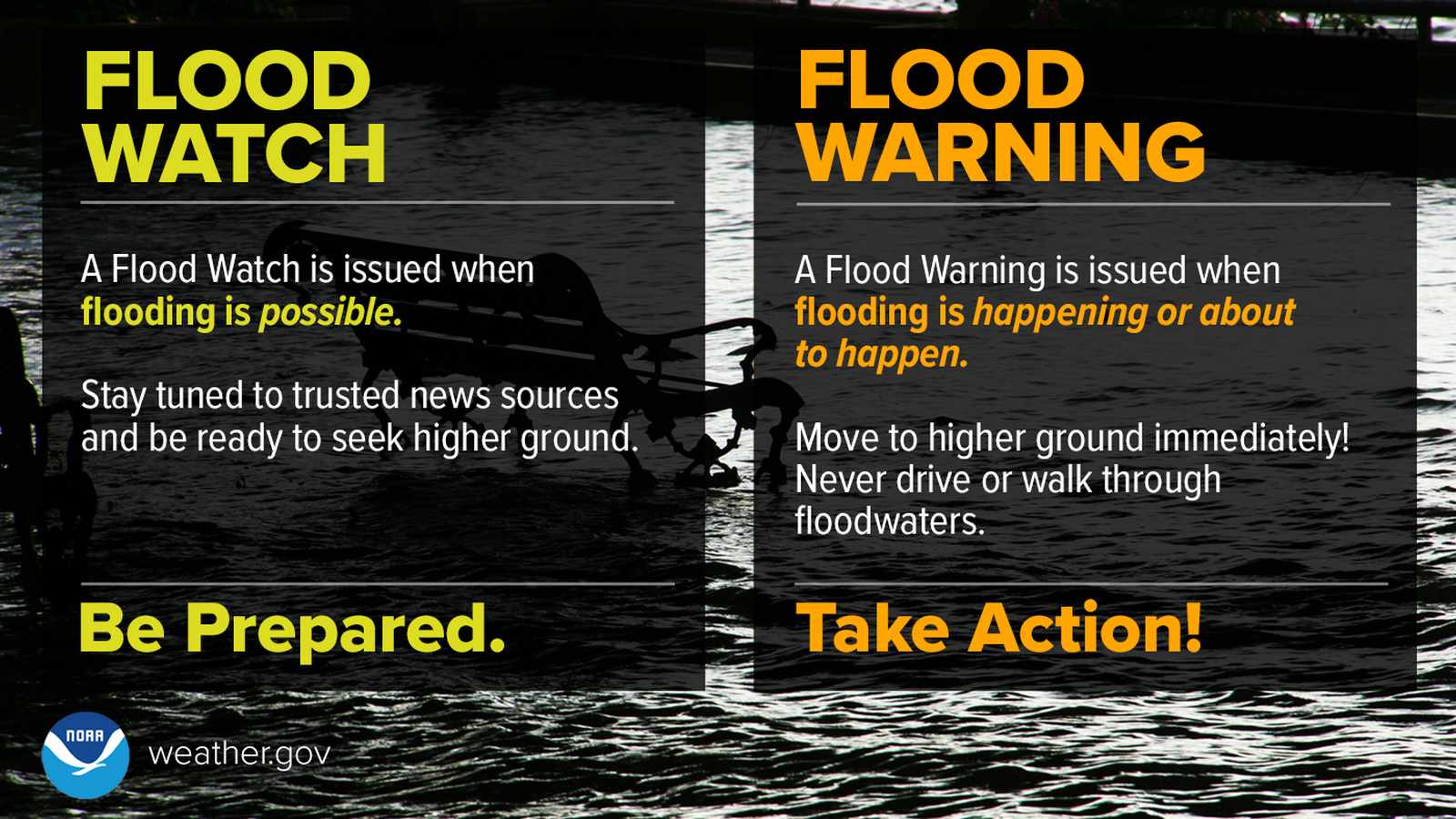
Quick Read
- Over 100 flood warnings are currently active across parts of the United Kingdom due to heavy rainfall in February 2026.
- In November 2025, Cambodia successfully evacuated communities along the Mekong River delta, preventing fatalities despite severe flooding, thanks to UN-backed early warning systems.
- Only about half of the world’s least developed countries have functioning weather warning systems, leading to six times higher disaster mortality rates.
- The UN aims to extend severe-weather warnings to every person on Earth by 2027, but least developed countries are still lagging.
- Even with successful evacuations, floods cause significant economic devastation, particularly in agricultural regions, highlighting the need for better infrastructure and seasonal forecasts.
YEREVAN (Azat TV) – New flood warnings currently active across parts of the United Kingdom underscore the persistent global challenge posed by natural disasters, even as recent successes in nations like Cambodia highlight the profound impact of effective early warning systems. Floods, recognized as the most frequent type of natural disaster, demand comprehensive strategies that not only prevent immediate fatalities but also address the long-term health and economic devastation they inflict on communities.
In late 2025, a severe storm swept across Cambodia’s lower Mekong River delta, causing unprecedented water levels. However, in communities like Roka Thom and the fishing village of Prek Touch, there were virtually no fatalities. Forty-six-year-old Chhum Chhin from Roka Thom recounted how residents and their livestock had evacuated before the floodwaters arrived. This success, according to disaster management officer Vy Sievmeng, marks a significant departure from the past, when large floods routinely claimed lives and livestock. The World Meteorological Organization (WMO) confirmed that residents now receive flood forecasts up to five days in advance, a stark improvement from previous years.
Cambodia’s Low-Tech Lifeline and Global Disparities
Cambodia’s progress is attributed to a multi-faceted approach, including upgrades to weather-forecasting computer models and satellite data, along with community-led initiatives. In villages like Prek Touch, local officials use car speakers to broadcast warnings to those without cellphones, reinforcing alerts received via text messages and voicemails on apps like Telegram. This blend of technology and local knowledge, supported by UN-affiliated agencies, has proven crucial. The program also tapped into long-held community knowledge, funding local meetings where residents identified flood-prone areas, acknowledging that local expertise is crucial, as Jason Watkins of the WMO noted.
However, Cambodia remains an outlier. A 2025 United Nations report revealed that only about half of the world’s least developed and small island nations possess functioning warning systems, leading to a mortality rate from disasters six times higher than in countries with robust systems. U.N. Secretary-General António Guterres has emphasized that early warnings are not an abstraction but a vital tool for protecting crops, livestock, and entire communities. While wealthy nations like the United States benefit from sophisticated systems and low per capita fatality rates, many vulnerable countries still lag.
UN’s Ambitious Goal and Funding Challenges
In 2022, the U.N. set an ambitious goal to extend severe-weather warnings to every person on Earth by 2027, with an estimated cost of $3.1 billion. While significant funds, including over $2 billion from the U.N.’s Green Climate Fund and $2.5 billion from the Asian Development Bank and World Bank, have been disbursed, Guterres noted in 2024 that least developed countries were still ‘lagging behind.’ The U.S. withdrawal from the Green Climate Fund in January 2026, announced by the Trump administration, is expected to deprive the fund of billions in future contributions, potentially complicating these global efforts.
Despite these challenges, Cambodia has received substantial international investment, with $5.5 million spent between 2023 and 2025 on upgrading its flood forecasts and warnings, and an additional $7.8 million earmarked for future years. This investment includes reworking evacuation plans to protect vulnerable populations, such as the elderly and those with young children, an effort slated for nationwide expansion.
UK Grapples with Ongoing Flood Threats
Meanwhile, the United Kingdom is currently experiencing widespread flood warnings. As of February 2026, over 100 flood warnings have been issued across parts of England and Wales, with additional alerts in Scotland. Heavy downpours are expected to continue, particularly from the south-west of England spreading north-east. Specific areas like Surrey, where the River Bourne has burst its banks, and parts of West Sussex are facing significant disruption, with footpaths and car parks submerged. The Met Office has issued a yellow warning for rain across south and south-west England, with 10-15mm expected widely and up to 30mm in exposed areas, indicating that high water levels are likely to persist, according to the Environment Agency.
Beyond Survival: The Economic and Health Aftermath
While early warnings are proving instrumental in saving lives, the economic devastation left in the wake of floods remains a critical concern, particularly in agrarian societies. In Cambodia, many residents are surviving floods only to return to ruined fields. Chhay Sophal, a 58-year-old farmer, described losing his entire harvest in late 2025, which means months without income—a severe blow in a country where over half the population relies on agriculture. This economic impact has direct implications for public health, as poverty and food insecurity can exacerbate existing health vulnerabilities and hinder recovery efforts, echoing challenges seen in past disasters, such as the 2022 floods in Pakistan.
Disaster official Vy Sievmeng emphasized the need for better water control infrastructure, such as levees, dams, and retention ponds, to mitigate economic losses and even harness floodwaters for irrigation during dry seasons. The WMO’s Watkins also highlighted the future need for seasonal weather forecasts to help farmers make informed decisions about planting, underscoring the shift from simply warning about immediate danger to providing long-term resilience strategies.
The ongoing global efforts to enhance early flood warning systems, from low-tech community initiatives in Cambodia to advanced meteorological forecasting in the UK, demonstrate a critical evolution in disaster preparedness. However, the recurring economic devastation and the implicit long-term health challenges faced by flood-affected communities underscore that saving lives is merely the first step; comprehensive disaster management must increasingly integrate strategies for livelihood protection and sustained recovery in the face of escalating climate change impacts.