
Quick Read
- Brent crude rose 5.8% to $95.64 per barrel following renewed tanker blockades.
- A U.S.-Iran ceasefire is set to expire Wednesday, fueling further market uncertainty.
- Geopolitical instability remains the primary driver of global transport and energy inflation.
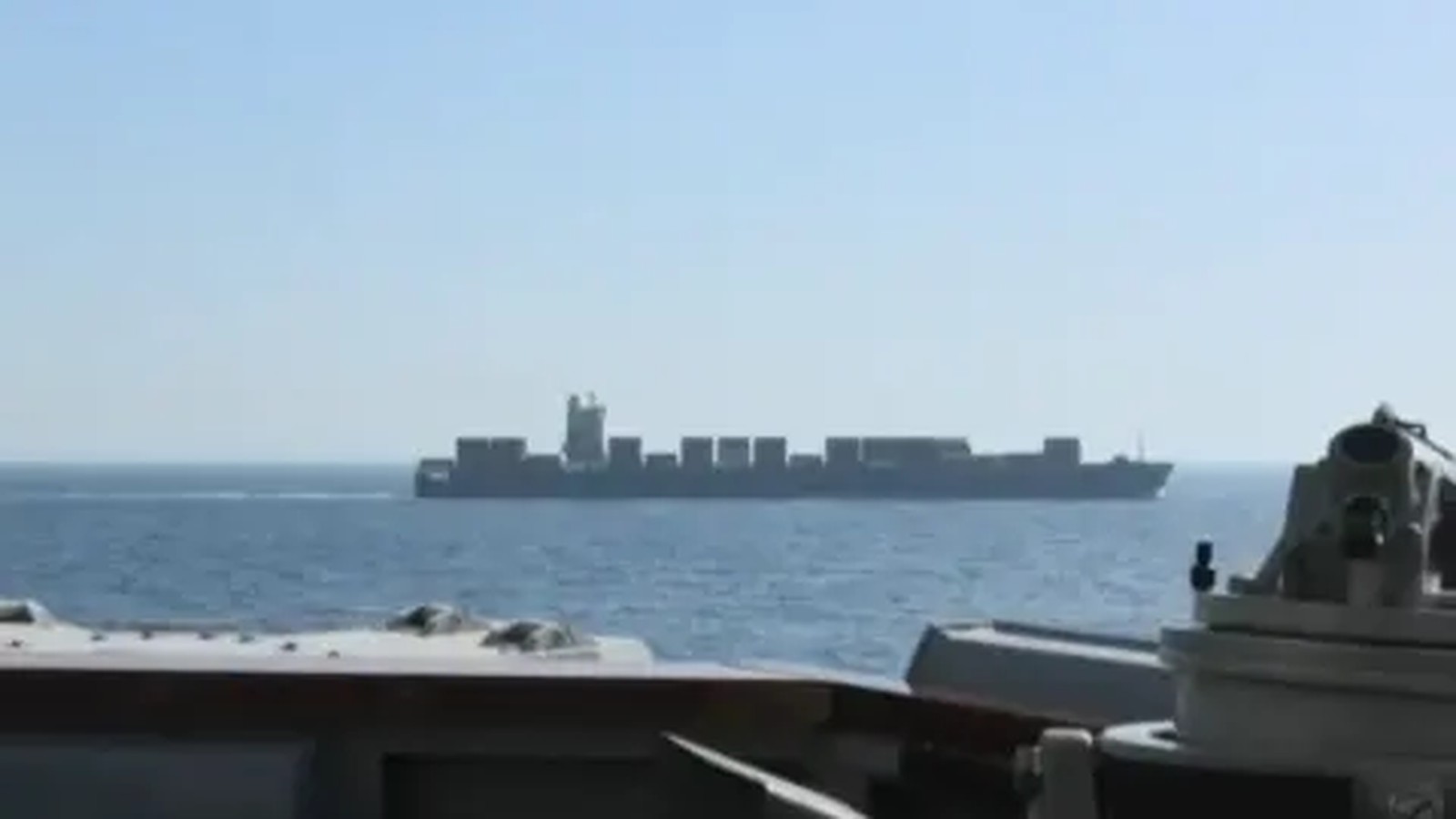
Global energy markets entered a period of acute uncertainty this Sunday as a renewed standoff in the Strait of Hormuz saw crude oil prices surge. Following a brief period of optimism late last week, Brent crude climbed 5.8% to $95.64 per barrel, while U.S. crude rose 6.4% to $87.90. This volatility was triggered by Tehran’s decision to reverse a pledge to reopen the vital Persian Gulf waterway, compounded by the U.S. seizure of an Iranian-flagged cargo ship.
The Geopolitical Bottleneck
The Strait of Hormuz remains the world’s most critical energy artery. With the ongoing U.S.-Israeli conflict against Iran now in its eighth week, the physical obstruction of tanker traffic serves as a stark reminder of how fragile global supply chains have become. While officials like U.S. Energy Secretary Chris Wright have suggested that price peaks may have been reached, the reality on the ground—characterized by damaged infrastructure and a backlogged tanker fleet—suggests that market stabilization remains a distant prospect even if diplomatic channels reopen.
Impact on Consumers and Policy
For the Armenian consumer, the ripple effects of this crisis are felt through the twin pressures of transport inflation and rising fuel costs. While Armenia’s energy mix is distinct from Western markets, the interconnected nature of global commodity pricing means that when crude prices fluctuate, the cost of logistics and imported goods inevitably rises. Transparent governance and the diversification of energy sources are no longer merely economic goals; they are essential pillars of national security. Relying on centralized, volatile supply chains leaves domestic markets vulnerable to external conflicts far beyond our borders.
As the regional ceasefire approaches its expiration this Wednesday, the uncertainty surrounding oil shipments underscores the limitations of purely market-based solutions. A liberal democratic approach demands that states prioritize energy transparency and invest in sustainable alternatives to mitigate the impact of such geopolitical shocks. Until supply chains are restored and diplomatic tensions de-escalate, households should expect continued volatility at the pump and in the cost of essential goods.