
Quick Read
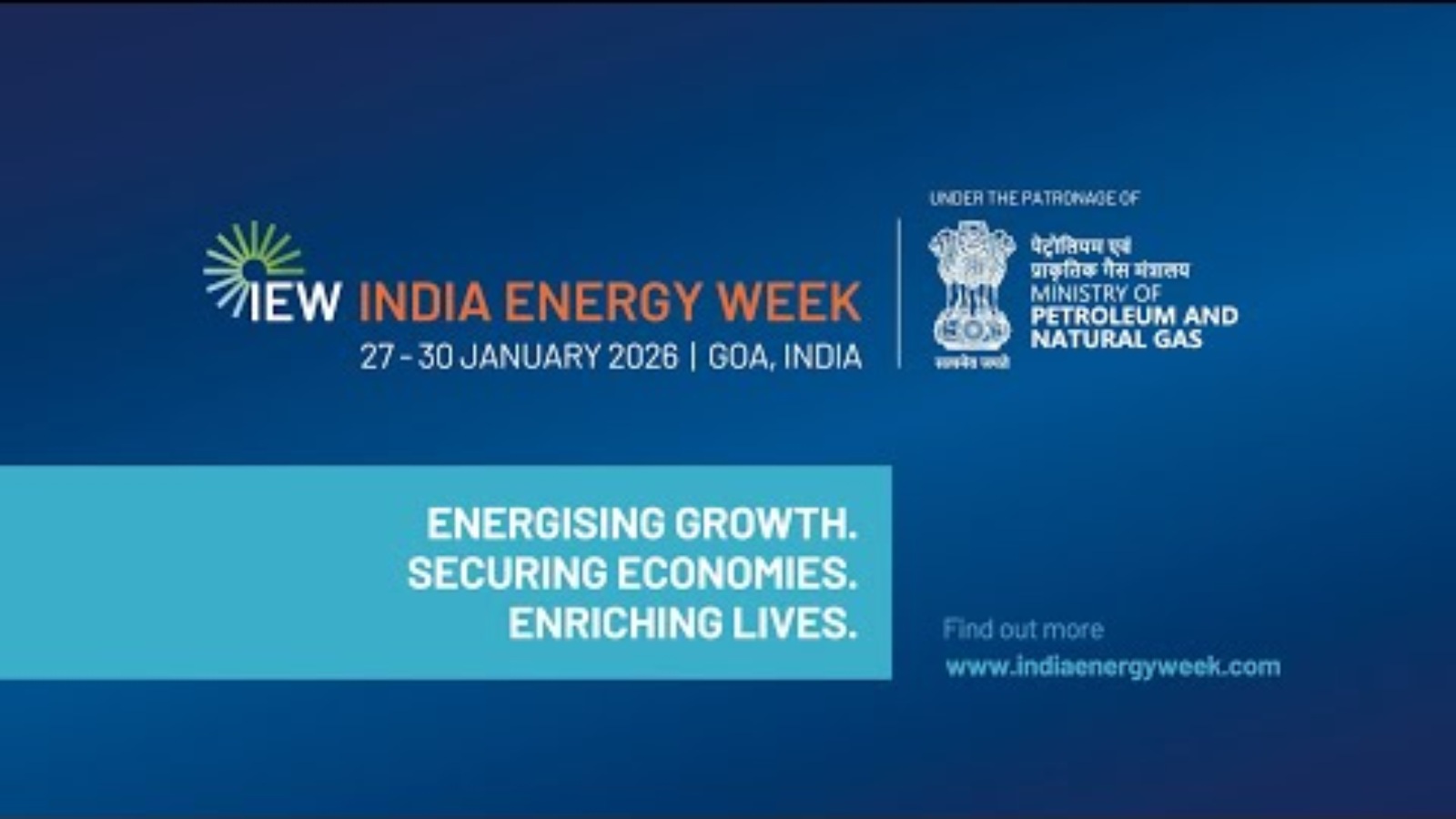
- India Energy Week (IEW) 2026 will be held in Goa from January 27-30, focusing on global energy transition and innovation.
- The event marks India’s shift from a hydrocarbons-centric dialogue to a comprehensive energy platform, including renewables and hydrogen.
- A new 440-crore rupee permanent venue by ONGC in South Goa will host IEW, featuring a 5,000-seat auditorium.
- All India Institute of Ayurveda (AIIA) in Goa is attracting international patients for Panchakarma therapy, reporting significant improvements in complex conditions.
- Ponda Municipal Council is awaiting approval to demolish a dilapidated, unsafe fish market building that poses a public safety risk.
GOA (Azat TV) – The Indian state of Goa is poised to host the fourth edition of India Energy Week (IEW) from January 27 to 30, 2026, bringing together a vast global energy community to deliberate on the future of energy transition and innovation. This significant event underscores India’s evolving role in the global energy landscape, shifting from a narrow focus on hydrocarbons to a broader, integrated platform that addresses all forms of energy, from fossil fuels to biofuels and hydrogen.
Oil Minister Hardeep Singh Puri stated that IEW now occupies a “unique position on the global energy calendar,” differentiating itself from other international conferences by its comprehensive approach. The 2026 edition, themed ‘Energising Growth. Securing Economies. Enriching Lives,’ is expected to attract over 75,000 energy professionals, 700 exhibitors, and 6,500 delegates, solidifying its status as the world’s second-largest energy conference.
India’s Evolving Energy Dialogue
For decades, India’s primary interface with the global oil and gas industry was the biennial Petrotech conference, which ran from 1995 to 2019. Petrotech served as a crucial platform for attracting international oil companies and showcasing exploration opportunities as India opened its upstream and downstream sectors. However, as the global energy narrative expanded to include decarbonisation, digitalisation, and new fuels in the 2010s, India’s engagement platforms began to evolve.
The launch of the India Energy Forum by CERAWeek in 2017 marked a transition, introducing global conversations on energy transition and policy while maintaining a strong oil and gas core. This eventually led to the advent of India Energy Week in 2023, which consolidated India’s global energy outreach into a single, integrated platform. According to Minister Puri, IEW now spans oil and gas, renewables, hydrogen, biofuels, digital infrastructure, and clean technologies, reflecting India’s dual priorities of energy security and transition.
A New Permanent Venue and Global Engagement
Unlike its predecessors, Petrotech and India Energy Forum by CERAWeek, which were primarily hosted in New Delhi, IEW has embraced a more decentralized approach. The upcoming 2026 edition will be held at a newly constructed, state-of-the-art permanent exhibition-cum-conference venue in Betul, South Goa. This facility, built by ONGC at a cost of approximately Rs 440 crore, features a 5,000-seat plenary auditorium and an expansive exhibition hall designed for large-scale international events.
The conference will host 11 country pavilions, including Japan, the UK, Germany, Italy, the US, the Netherlands, Norway, Canada, Russia, and China. Prime Minister Narendra Modi is scheduled to virtually inaugurate IEW on January 27 and will engage with global CEOs and leaders of the Indian energy industry in New Delhi on January 28 to discuss sector-specific challenges and opportunities, as confirmed by Minister Puri.
Goa’s Growing Appeal for Traditional Healing
Beyond its burgeoning role in global energy, Goa is also gaining international recognition as a hub for traditional healing, particularly through the All India Institute of Ayurveda (AIIA) in Dhargal, North Goa. The institute has become a leading center for Ayurveda-based wellness treatments, attracting foreign visitors seeking rejuvenating and healing experiences.
A highlight at AIIA Goa is Panchakarma therapy, a comprehensive bio-detoxification regimen. Dr. Praveen B S, Head of the Department of Panchakarma at AIIA, Goa, explained that the therapy comprises five core treatments aimed at cleansing, correcting metabolism, enhancing immunity, and rejuvenating the body. It also helps calm the mind, improve sleep quality, and clarify sense organs. The therapy is used to treat a wide range of conditions, including metabolic and endocrine disorders, neurological conditions like Parkinson’s and stroke, musculoskeletal disorders, dermatological conditions, and infertility. In the last three years, 332 foreign patients from countries such as Russia, the UK, the US, and France have sought Panchakarma therapies at the institute.
One such patient, Natalia, 63, from Russia, reported significant improvement in her long-standing lower back pain, neck pain, joint pain, and diminished vision after undergoing Panchakarma therapy. Subhash Kevrekar, 58, who suffered a stroke, also showed remarkable improvement within 12 days of therapy, progressing from wheelchair reliance to walking. Dr. P K Prajapati, Director of AIIA, stated that Panchakarma is practiced in its most authentic form at the institute, integrating classical Ayurvedic wisdom with standardized protocols and modern diagnostics. The AIIA Goa also runs skill-oriented Panchakarma technician’s and post-graduate courses to meet the growing global demand for trained professionals.
Local Infrastructure Challenges Persist in Ponda
Despite these high-profile developments, local infrastructure challenges persist in other parts of Goa. In Ponda, the Ponda Municipal Council (PMC) is awaiting approval from the Goa State Urban Development Agency (GSUDA) to demolish the town’s fish market building, which was declared unfit for use. The building, constructed in 1984, is over 40 years old and has been found to be leaning towards an adjoining nullah, posing a significant risk of collapse.
PMC chairperson Veerendra Dhavalikar confirmed that the council has relocated fish vendors to a new location last May and issued eviction notices to cloth merchants on the upper floor. While the merchants have since vacated, the dilapidated structure remains unused and threatens public safety. Visitors to the adjacent buildings are urging the PMC to expedite the demolition process with GSUDA.
The confluence of a major international energy conference, a thriving traditional medicine center drawing global interest, and lingering local infrastructure issues highlights Goa’s complex and multifaceted development trajectory, reflecting both its integration into global strategic dialogues and the ongoing demands of regional governance.