


NEW YORK (Azat TV) – Conservative commentator Tucker Carlson is navigating a period of heightened public scrutiny, marked simultaneously by a sharp cultural satire on national television and an intensifying ideological rift within the American right-wing media landscape.
SNL Debut Spotlights Carlson’s Media Persona
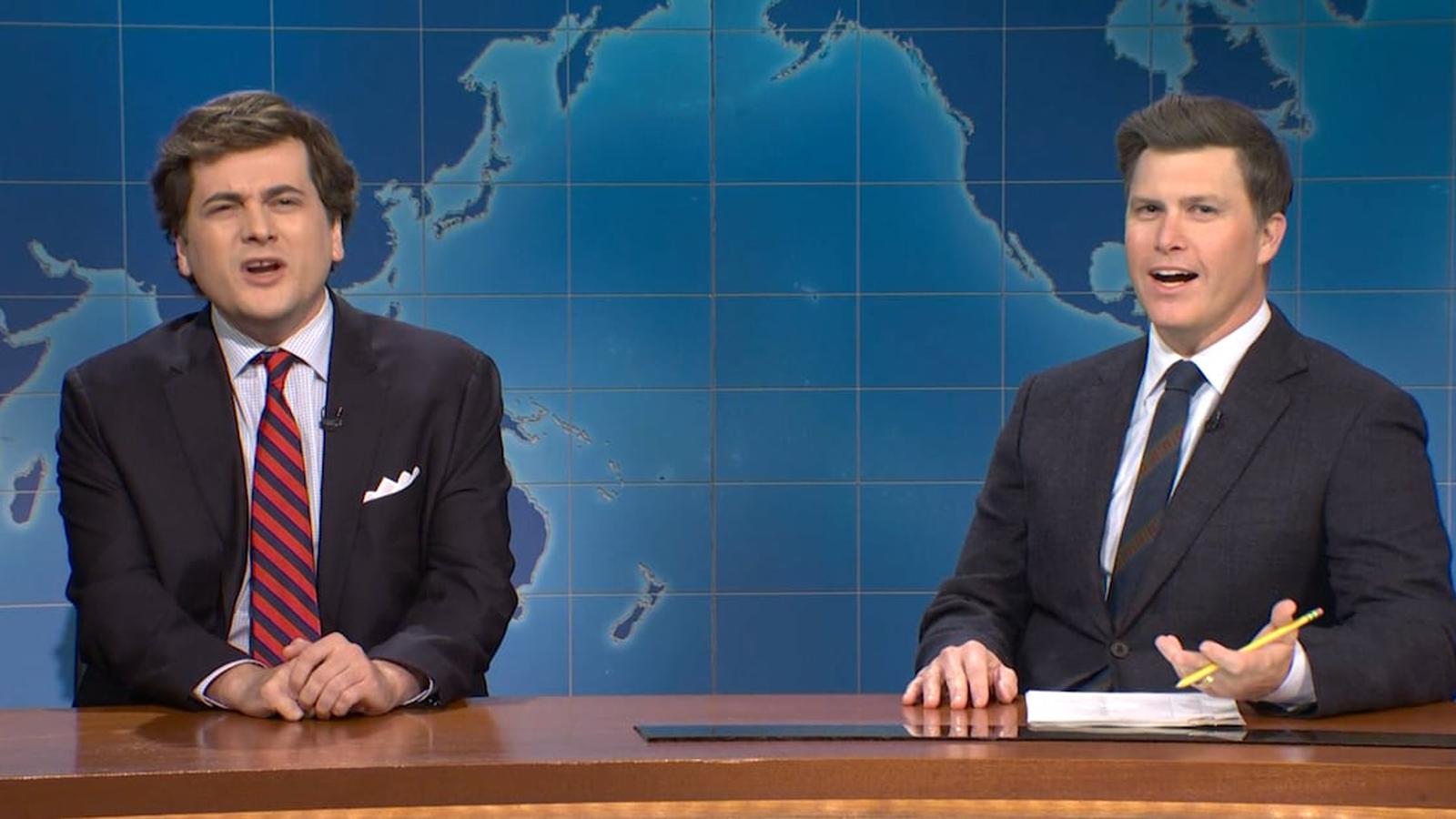
On March 15, 2026, Saturday Night Live cast member Jeremy Culhane drew significant attention with a debut impression of Carlson during the show’s “Weekend Update” segment. The parody, which followed the 2026 Academy Awards, depicted Carlson offering a cynical critique of this year’s Best Picture nominees. Culhane’s caricature leaned heavily into what critics often describe as the commentator’s signature mix of rhetorical bewilderment and alarmist framing, repeatedly questioning “What are we doing?” while mocking the cultural themes of films like Sinners and Hamnet.
The Ideological Schism Among Conservative Voices
While mainstream satire focuses on his public persona, a more substantive challenge is emerging from within the conservative movement. Ben Shapiro, a leading voice in traditional conservative media, has publicly escalated his critique of Carlson’s trajectory since his departure from Fox News. In a recent discourse, Shapiro characterized Carlson as a “conspiratorial near-anarchist,” arguing that his current worldview represents a departure from the foundations of traditional American conservatism.
Shapiro’s criticism centers on specific actions, including Carlson’s international interviews and his decision to provide a platform to figures like Nick Fuentes. According to Shapiro, these choices reflect an abandonment of institutional stability in favor of a disruptive, anti-establishment agenda that ignores the traditional policy priorities of the Republican base.
Stakes for the Future of the Right
The friction between figures like Shapiro and Carlson highlights a deeper struggle for influence over the American conservative movement. As Carlson continues to operate outside the traditional media ecosystem, his ability to mobilize a large, dedicated audience creates a distinct pole of influence that often clashes with the more institutionalist wing of the movement. This divide is not merely personal; it represents a fundamental disagreement over whether the conservative movement should focus on preserving established American institutions or dismantling them in favor of a populist, anti-establishment framework.
The heightened visibility of this divide—ranging from late-night comedy to serious ideological debates—suggests that the battle for the intellectual and cultural identity of the American right has entered a phase of open, public confrontation that is unlikely to resolve as long as both figures maintain their respective media platforms.