
Quick Read
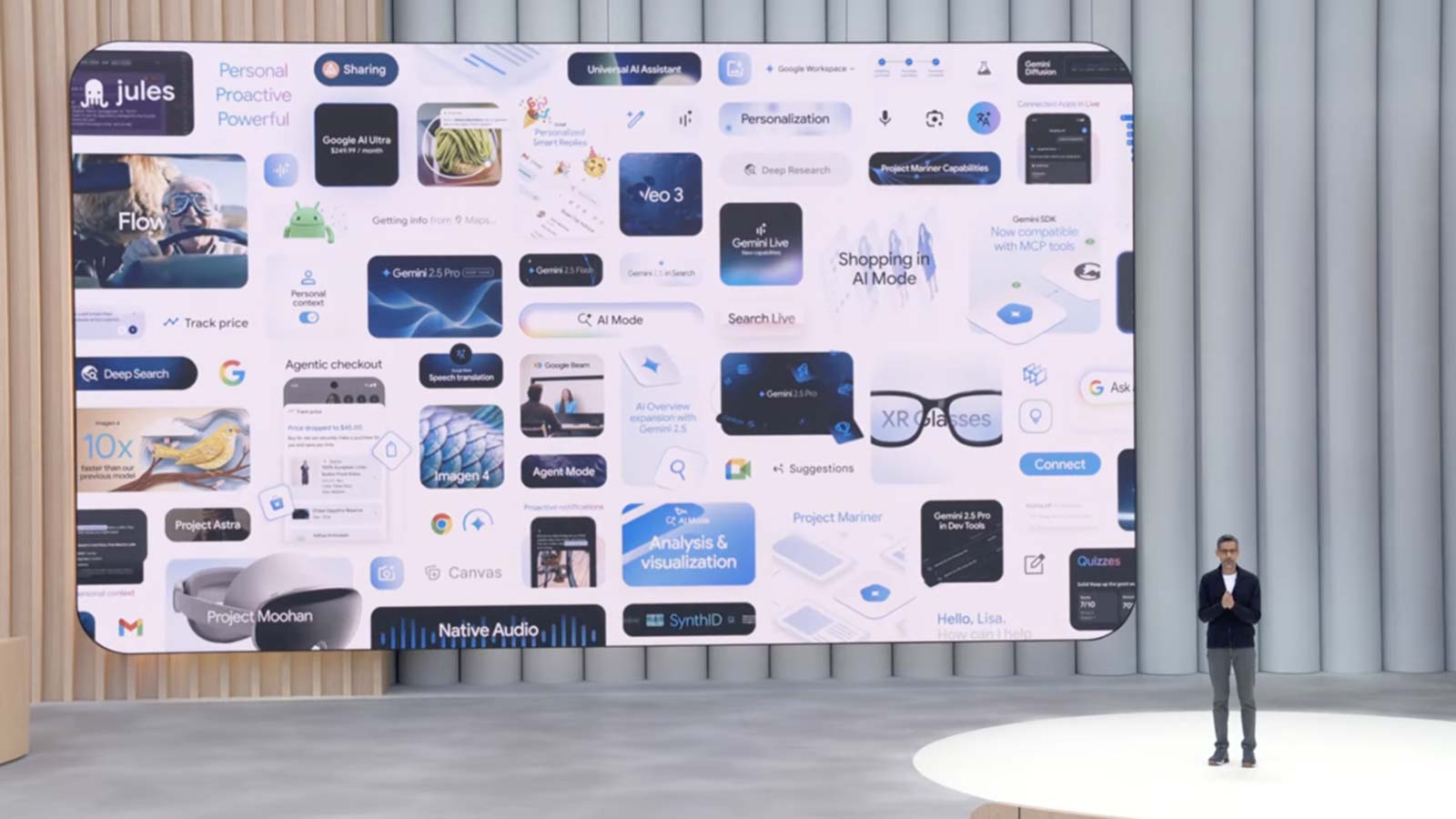
- Google has rolled out AI Mode in Search across the U.S., announced during the Google I/O 2025 conference.
- AI Mode includes new features like real-time task automation, personalized search, and custom data visualizations for complex queries.
- Deep Search, a new AI capability, handles multi-faceted queries by generating expert-level reports within minutes.
Google has taken a significant leap in search technology by unveiling its enhanced AI Mode during the Google I/O 2025 conference. This feature, now available across the U.S., promises to redefine how users interact with search engines, offering a host of advanced capabilities like data visualizations, agentic task automation, and personalized results. These updates come as part of Google’s broader push to integrate artificial intelligence into everyday tools, marking a transformative moment for search technology.
What is AI Mode and why does it matter?
AI Mode represents the next evolution of Google Search, designed to address the needs of users seeking more detailed, interactive, and personalized search experiences. While AI Overviews—a feature launched in 2024—offered concise, synthesized responses to queries, AI Mode takes it further by enabling conversational interactions, multimodal input, and deeper exploration of topics. According to Adweek, this feature is powered by Google’s Gemini 2.5 AI models, known for their advanced reasoning and synthesis capabilities.
One standout feature of AI Mode is its ability to handle complex, multi-part queries seamlessly. For instance, users can ask a question in natural language, follow up with additional queries, and even refine results based on real-time input. The implications are profound: from academic research to daily decision-making, AI Mode simplifies information retrieval, saving users valuable time and effort.
Key features unveiled at Google I/O 2025
On May 10, 2025, Google introduced a suite of new features for AI Mode, setting a benchmark for AI-driven search. These include:
- Deep Search: This capability automates hundreds of related sub-queries to produce expert-level, fully cited reports in minutes. According to TheJournal, this feature is a game-changer for researchers and professionals, offering nuanced, multi-faceted insights.
- Custom Data Visualizations: Users can now generate interactive graphs and charts tailored to specific queries, such as financial trends or sports analytics. This functionality, highlighted by Itnewsafrica, enables users to digest complex data more intuitively.
- Agentic Task Automation: AI Mode can perform tasks like booking tickets or making reservations by navigating websites autonomously. As reported by Adweek, this feature ensures user control while automating tedious processes.
- Live Capabilities: Using Project Astra technology, AI Mode can interact with real-world environments via a device’s camera, offering explanations and suggestions in real time.
How does AI Mode enhance personalization?
Personalization is at the core of AI Mode’s functionality. With user consent, it can integrate data from services like Gmail to provide context-aware suggestions. For instance, if a user is traveling, AI Mode can recommend nearby restaurants or attractions based on their location and past preferences. This feature, cited by TheOutpost, exemplifies Google’s commitment to tailoring search experiences to individual needs while ensuring data privacy.
Additionally, AI Mode’s multimodal capabilities allow users to input queries via text, voice, or images, making it more accessible and versatile. Whether identifying an object through the camera or analyzing a financial dataset, the platform adapts to diverse user requirements.
What does the future hold for AI-powered search?
Google’s investment in AI, estimated at $75 billion for 2025 alone, underscores the company’s dedication to staying at the forefront of technological innovation. The rollout of AI Mode is just one facet of this strategy. Over the coming months, Google plans to integrate AI Mode’s features into its core search experience, gradually phasing out the traditional list-of-links model in favor of a more interactive approach.
Moreover, AI Mode’s capabilities are expected to expand further. Features like Gemini Live, which integrates tools like Maps and Calendar for daily assistance, and experimental modes for complex task delegation are already in the pipeline. As noted by TheOutpost, these advancements aim to make AI an indispensable part of everyday life, from learning to productivity and beyond.
In summary, Google’s AI Mode in Search represents a paradigm shift in how we access and interact with information. By combining advanced reasoning, multimodal input, and real-time capabilities, it paves the way for a smarter, more intuitive search experience. As these features continue to evolve, the potential for AI to simplify and enrich our lives becomes increasingly clear.