


HOUSTON (Azat TV) – Yadier Molina continues his high-stakes transition from one of baseball’s most storied catchers to a tactical leader on the international stage, managing Team Puerto Rico in the World Baseball Classic quarterfinals on March 14, 2026. Facing an undefeated Italian squad at Daikin Park, Molina’s leadership is under intense scrutiny as he navigates a roster defined by chemistry and grit rather than the traditional star-studded lineups of previous iterations.
The Strategic Evolution of Yadier Molina
Molina’s tenure as manager has been characterized by a philosophy of unity. With several high-profile players unavailable due to insurance restrictions, the former St. Louis Cardinals icon has cultivated a “family” atmosphere within the clubhouse. General Manager Carlos Beltran noted that early team bonding exercises, including a pivotal dinner in Florida, set the tone for the tournament. Molina’s ability to maximize the performance of a younger, less experienced rotation—exemplified by the reliance on Seth Lugo—has been a cornerstone of their path to the knockout rounds.
Managerial Ambitions and the MLB Horizon
The spotlight on Molina in Houston serves as a significant audition for his professional future. Having made his explicit interest in pursuing an MLB managerial role known, the WBC provides a high-pressure laboratory for his decision-making skills. Observers note that his reputation as a cerebral player behind the plate has translated into a measured, player-centric approach in the dugout, fostering an environment where support for teammates is prioritized over individual accolades.
A Legacy Honored in San Juan
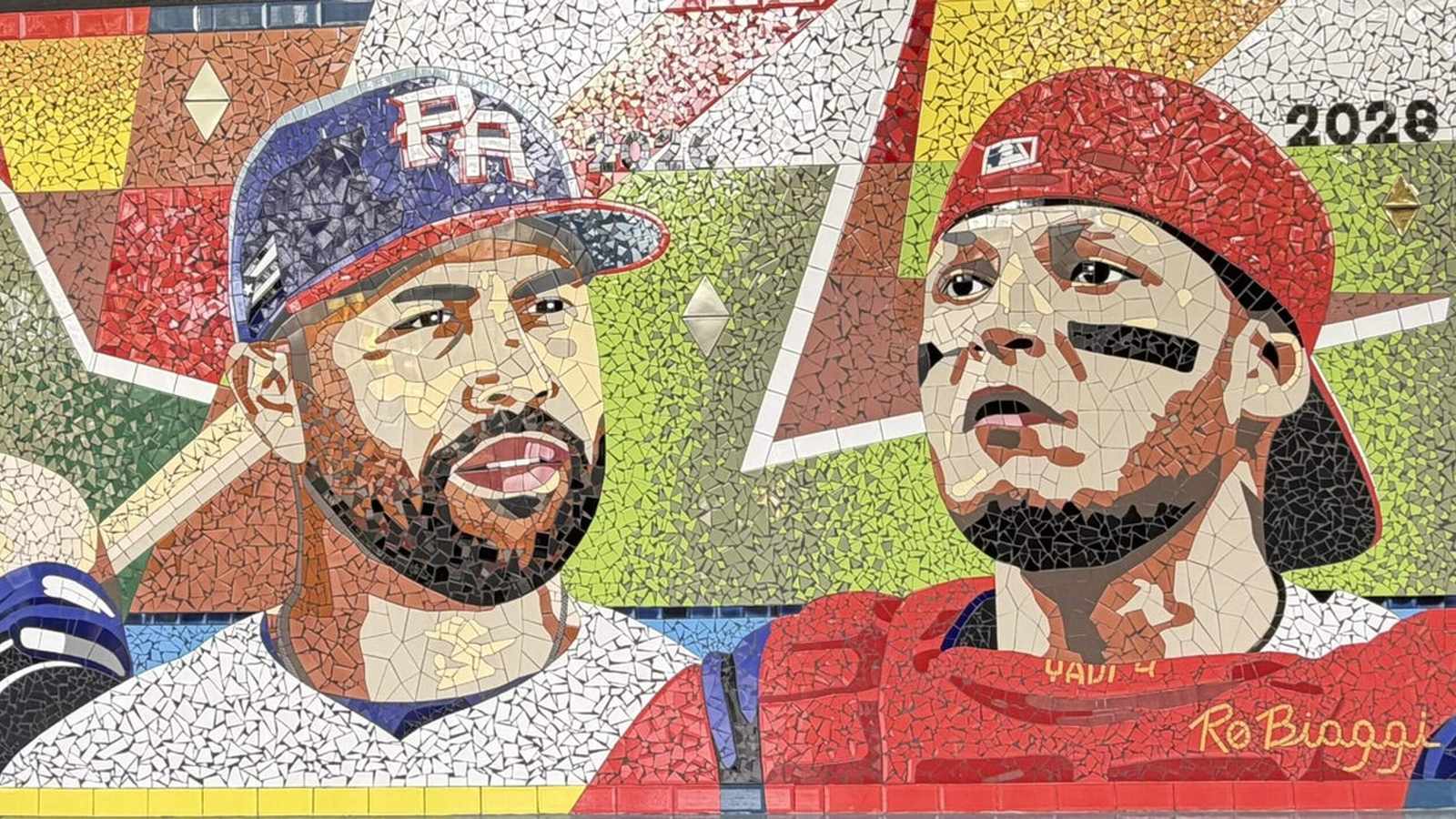
The significance of Molina’s current role is underscored by his recent recognition in his homeland. At Hiram Bithorn Stadium in San Juan, his likeness was recently immortalized on a 1,000-square-foot “Eternos” mosaic alongside Puerto Rican baseball legends like Roberto Clemente and Carlos Beltran. While he is not yet Hall of Fame eligible, the inclusion of the future Cooperstown candidate in such an elite grouping highlights his status as a cultural and sporting pillar for the island. This reverence from the public and his peers alike adds a layer of expectation to his performance in the dugout.
Molina’s success in managing the complexities of the WBC, despite the absence of established MLB superstars, suggests that his transition to the professional managerial ranks is less a question of capability and more a matter of timing, with his current tactical performance in the quarterfinals serving as the primary evidence for prospective big-league organizations.