

Quick Read
- BEY03F, a 3-year-old female gray wolf, has entered Sequoia National Park.
- This is the first confirmed wolf presence in the park in over 100 years.
- The wolf traveled 370 miles from Plumas County, crossing high-altitude terrain.
A Historic Return to the Sierra Nevada
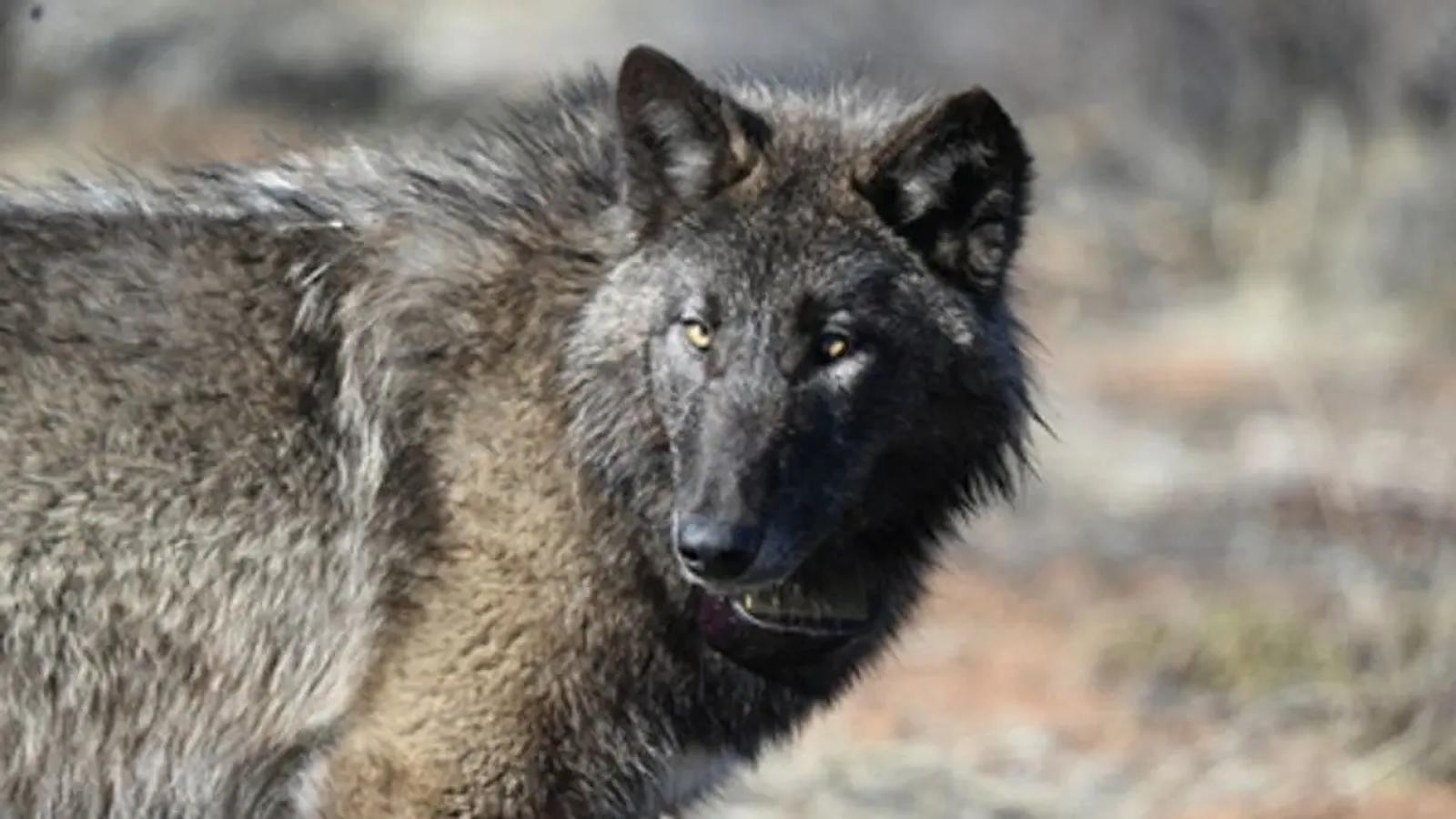
In a development that underscores the shifting landscape of California’s wilderness, the California Department of Fish and Wildlife (CDFW) has confirmed the presence of a three-year-old female gray wolf, identified as BEY03F, within the boundaries of Sequoia National Park. This sighting represents the first documented return of an apex predator to the region in over 100 years, signaling a profound shift in the park’s ecological dynamics.
The wolf’s journey was nothing short of extraordinary. Tracking data indicates that BEY03F traversed over 370 miles, moving from her natal territory in Plumas County through Los Angeles and Inyo counties before navigating high-altitude terrain exceeding 13,000 feet near Mt. Whitney. Her arrival in the park is not merely an isolated incident of animal movement; it is a testament to the resiliency of the species, which was effectively extirpated from California by the 1920s before beginning a natural recolonization process originating from Oregon in 2011.
Ecological Stakes and Management Challenges
The return of the gray wolf to Sequoia National Park brings both promise and complexity for park management. Wildlife advocates argue that the presence of apex predators is vital for maintaining healthy ecosystems, as wolves play a critical role in regulating prey populations, which in turn benefits vegetation and biodiversity. As noted by representatives from California Wolf Watch, such movements are characteristic of dispersing individuals seeking new territories and mates, a natural behavior essential for population expansion.
However, the integration of wolves into popular public lands necessitates a delicate balance between conservation goals and visitor safety. While the wolf population in California has seen a 10% increase, reaching at least 55 individuals by the end of last year, the species remains vulnerable. Livestock conflicts and vehicle collisions continue to be the leading causes of wolf mortality. Furthermore, the proximity of these predators to high-traffic tourist areas within the national park system requires robust communication strategies to prevent human-wildlife conflict.
Policy Implications for Conservation
The arrival of BEY03F highlights the necessity for continued monitoring and adaptive management. CDFW officials continue to utilize telemetry to study population recovery metrics, emphasizing that the wolf’s unpredictable movement patterns are a direct reflection of the species’ instinctual drive to colonize suitable habitats. The state agency’s ongoing monitoring efforts, which include tracking nine distinct packs across California, provide the baseline data necessary for informed policy decisions.
The return of the gray wolf serves as a poignant reminder of the success of natural rewilding compared to artificial interventions. Unlike high-profile, speculative projects currently dominating headlines regarding the ‘de-extinction’ of species, the natural recovery of the gray wolf demonstrates the efficacy of protecting existing habitats and allowing natural biological processes to dictate the restoration of native species. As California continues to refine its conservation frameworks, the movement of BEY03F will serve as a critical case study in how public lands can coexist with large, mobile predators in an increasingly fragmented landscape.