
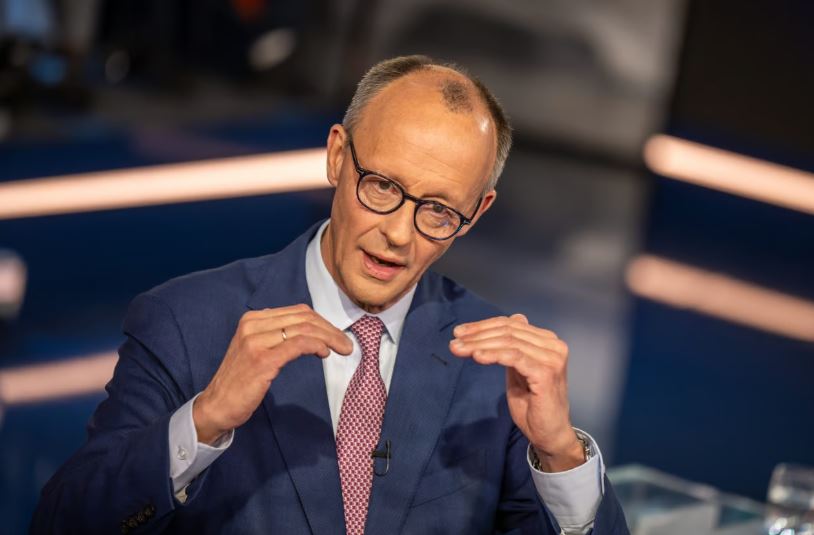
Merz’s approach signals a deliberate effort to keep European and German interests explicitly on the table in high-level discussions with Washington. In Berlin’s view, the Greenland debate touches on questions of sovereignty, international law, and alliance cohesion. While Merz acknowledged Greenland’s military-security claims, he also urged a careful, conditional approach to avoid unwanted escalations or misinterpretations that could affect NATO cohesion or Denmark’s relations with its partners. The German position appears to be framed around protection of European security architecture and the maintenance of a credible deterrence posture in the Arctic, even as new actors articulate competing priorities in the region.
Ultimately, the Greenland discussions at Davos 2026 illustrate a broader moment in transatlantic security discourse. They reflect how Arctic strategy has moved from a niche issue into a central component of national-security planning for major powers, and how European leadership seeks to shape, or at least influence, the trajectory of U.S. policy in the region. The coming weeks will reveal whether these conversations translate into concrete steps—diplomatic, military, or economic—that recalibrate how the North Atlantic alliance approaches Arctic security, resource governance, and the broader balance of power in a changing global landscape.
Final analysis: The Greenland dialogue at Davos captures a moment when Arctic security has moved from the margins of policy debate to a focal point for transatlantic strategy, testing the durability of European-U.S. cooperation while highlighting how leadership narratives can shape the pace and direction of policy in an uncertain, resource-rich region.
Գերմանիայի կանցլերը քննարկում է Գրենլանդիայի հարցը Թրամփի հետ