
Quick Read
- Trump maintains that diplomatic friction will not stop future military action against Iran.
- The U.S. and Iran are currently in a disputed two-week ceasefire period.
- Tehran continues to express skepticism toward U.S. negotiation proposals.
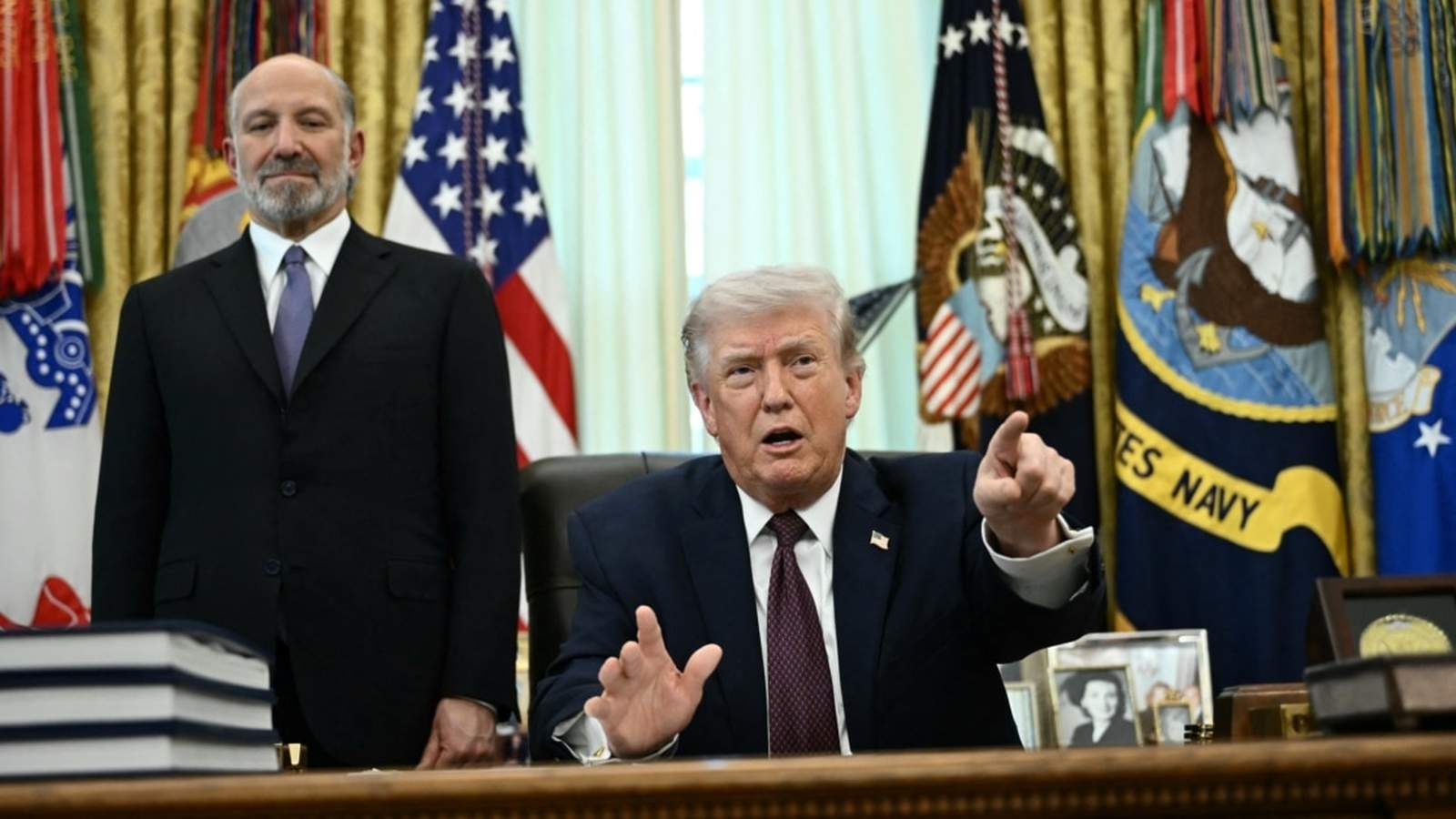
U.S. President Donald Trump has issued a defiant stance regarding the ongoing volatility in the Middle East, signaling that recent diplomatic incidents—including reported friction at a high-profile correspondents’ dinner—will not deter his administration from pursuing further military objectives against Iran. This rhetoric underscores a volatile period in U.S.-Iran relations, where claims of a two-week ceasefire are being balanced against threats of escalated conflict should current negotiation attempts collapse.
The Fragile Nature of the Ceasefire
The situation remains characterized by conflicting narratives. While the White House has publicly characterized a two-week pause in hostilities as a strategic success, citing the need for the finalization of a ten-point proposal, Tehran has offered a more guarded response. Iranian Foreign Minister Abbas Araghchi has explicitly denied that formal negotiations are yielding results, emphasizing that Iran remains prepared to defend its sovereignty against any ground incursion. The discrepancy between Washington’s claims of an impending breakthrough and Tehran’s skepticism highlights the lack of mutual trust that continues to undermine long-term stability.
Geopolitical Stakes and Regional Impact
The military reality on the ground contradicts the optimism of diplomatic press releases. Despite the rhetoric of a ceasefire, reports from the region indicate that U.S.-Israeli joint operations have continued to target deep-seated Iranian military infrastructure. The humanitarian cost is already becoming apparent, with reports of casualties among medical personnel in targeted zones. For the international community, the primary concern remains the potential for a broader regional conflagration that could destabilize global energy markets—a risk clearly reflected in the recent 17% fluctuation in crude oil prices.
Accountability and Strategic Uncertainty
From a liberal democratic perspective, the lack of transparency in these back-channel communications raises significant questions regarding democratic oversight. As the administration navigates these high-stakes negotiations, the reliance on third-party mediators like Pakistan and China underscores a complex, multi-polar attempt to prevent a full-scale war. However, the true test of this policy will be whether the current administration can move beyond the language of threats and toward a sustainable framework that respects international law and regional security. Ultimately, the rhetoric of “total victory” risks masking the reality that a permanent resolution requires more than just temporary tactical pauses; it requires a genuine commitment to de-escalation that both Washington and Tehran have yet to demonstrate.
- U.S. officials claim a two-week ceasefire is in place to finalize a 10-point agreement.
- Iranian leadership has publicly cast doubt on the effectiveness of current negotiations.
- Military operations against Iranian infrastructure have continued despite talk of a truce.