
Quick Read
- Over 100 fragments from the Mont-Blanc ship involved in the 1917 Halifax Explosion were discovered during recent dredging in Halifax Harbour.
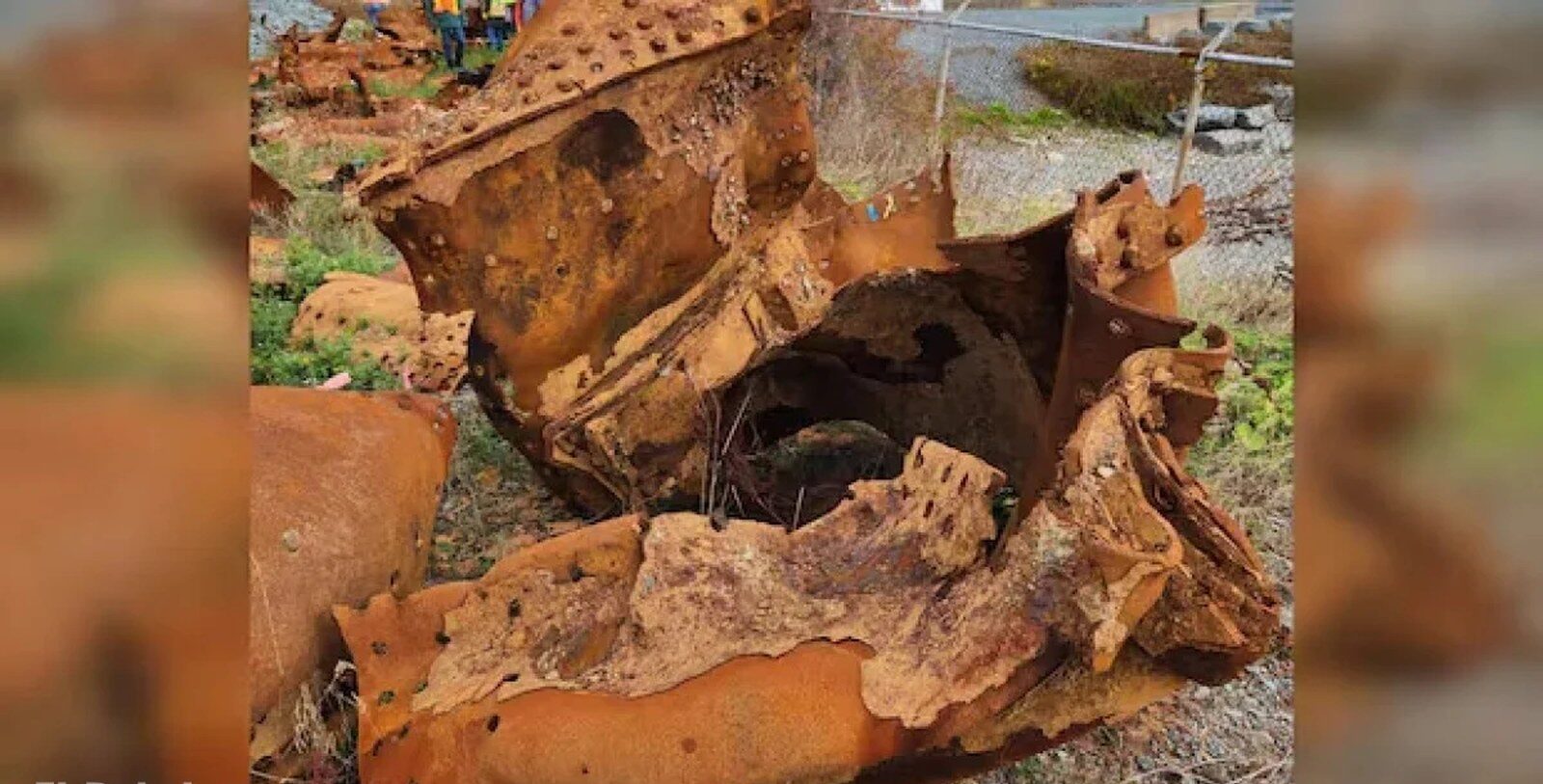
- The Naval Museum of Halifax will display a 725 kg car-sized piece of the Mont-Blanc.
- 3D scans of the recovered artifacts are being conducted for future educational use.
- Community advocates and museums are working to preserve and commemorate the disaster’s legacy.
Mont-Blanc Artifacts Rescued: A Century-Old Mystery Revisited
In a city shaped by tragedy, the past is never far beneath the surface—sometimes, quite literally. Recent dredging operations in Halifax Harbour have unearthed over 100 fragments from the Mont-Blanc, the French munitions ship whose catastrophic explosion in 1917 left an indelible mark on Canadian history. The discovery is not just a trove of rusted metal, but a reminder of the day when Halifax’s world was shattered in seconds.
Halifax Explosion: The Deadliest Disaster in Canadian History
The morning of December 6, 1917, began like any other for residents of Halifax, but fate had different plans. As the Mont-Blanc collided with the Norwegian steamship Imo near Pier 6, a devastating explosion erupted. The blast claimed around 2,000 lives and left approximately 9,000 injured, with a two-kilometer radius of the city obliterated in an instant. The scale of destruction was unprecedented, making the Halifax Explosion the deadliest disaster ever recorded in Canada (el-Balad).
For survivors and descendants, the event is more than a statistic. It is a family story, a city’s collective trauma, and now, with the recovery of these artifacts, a tangible connection to that moment in time.
Artifacts as Witnesses: From Harbour Depths to Museum Displays
The recent recovery effort, part of a larger project at Irving’s shipyard, yielded an astonishing variety of Mont-Blanc fragments. Some pieces are as large as a compact car, with the total haul weighing in at a staggering 100,000 tonnes. These artifacts—twisted steel, scorched remnants, and silent witnesses—are set to be displayed at the Naval Museum of Halifax. Notably, a car-sized section weighing about 725 kilograms will anchor the exhibit, inviting visitors to contemplate the force that tore it from its origins.
But the journey of these fragments is far from over. The Nova Scotia Community College, in partnership with the Nova Scotia Museum, is conducting 3D scans of the pieces, ensuring that even if some cannot be physically preserved, their details will be archived for posterity. The museum’s director, Jennifer Denty, emphasizes the importance of sharing the broader story—how the explosion affected Canada during World War I and the dual pressures of wartime logistics and domestic catastrophe.
Community Voices: Preserving Memory, Confronting Loss
The artifacts are not just relics; they are emblems of personal and communal grief. Marilyn Davidson Elliott, a local advocate whose father was blinded as a toddler by the blast, speaks to the emotional resonance of these discoveries. “These pieces are part of our culture and heritage,” she notes. For Elliott and others, preserving the fragments is a way of honoring those who endured and of ensuring future generations understand the weight of history.
The Nova Scotia Department of Communities, Culture, Tourism, and Heritage is now working with museums and community organizations to determine the fate of the vast number of artifacts. However, the sheer scale of the find poses logistical challenges. If adequate storage and exhibition opportunities cannot be arranged, many pieces may return to the depths of the harbour—a practical, if bittersweet, solution.
Davidson Elliott and other community members hope that some fragments will find permanent homes at memorial sites, such as the Halifax Explosion Memorial Bell Tower in Fort Needham Park. A piece of the Mont-Blanc there, she argues, would serve as a powerful, physical reminder of what was lost and what endures.
Looking Forward: Education, Remembrance, and the Burden of History
The story of the Halifax Explosion is one of chaos and resilience. The recent recovery of Mont-Blanc artifacts offers a new chapter—one focused on education and reflection. Through museum displays, 3D scanning projects, and public discussions, Halifax is working to ensure that the lessons of 1917 are not forgotten. The efforts to preserve these objects are not merely about conservation; they are about fostering a deeper understanding of the disaster’s impact on Canada’s wartime experience and its enduring legacy in the city’s identity.
Yet, the challenges remain. With resources stretched and decisions looming over which artifacts to keep and which to let go, the community faces tough choices. Each fragment is a piece of a puzzle: How do we decide what is worth remembering, and how do we carry the burden of history forward?
Assessment: The recovery and preservation of Mont-Blanc artifacts offer Halifax a rare opportunity to confront and commemorate its most devastating event. While logistical hurdles and difficult decisions persist, the commitment shown by museums, advocates, and residents underscores a shared resolve: to honor the past, educate the present, and safeguard memory for the future.