


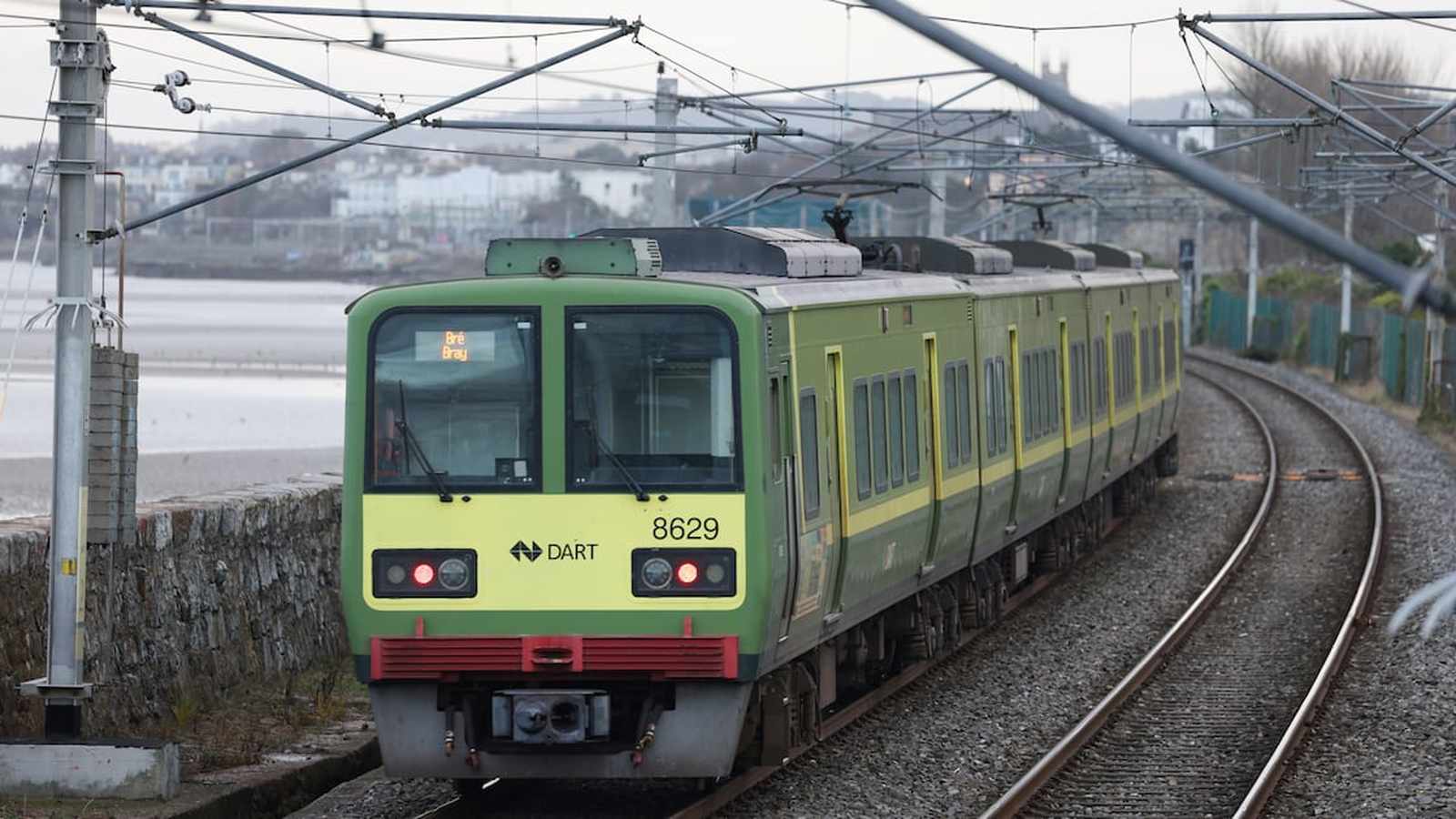
The disruption, which occurred on Thursday, led to a complete suspension of Dart services along the critical corridor connecting Connolly station and Dún Laoghaire. Irish Rail attributed the outage to damage sustained by overhead power lines, necessitating immediate repairs. Crews worked overnight to address the damage, successfully reopening the line by Friday morning.
Despite the line’s reopening, the aftermath of the power issue continued to affect morning commuters. The 6:59 a.m. service from Connolly to Bray was cancelled due to an operational issue stemming from the overhead line damage. Additionally, several other commuter services experienced reduced capacity, including the 6:54 a.m. service between Greystones and Malahide, the 8:30 a.m. service from Malahide to Greystones, the 10:04 a.m. service from Greystones to Howth, and the 7:55 a.m. train from Drogheda to Dún Laoghaire.
Irish Rail communicated the repairs and service status updates via its official channels, including an announcement on X (formerly Twitter) confirming the reopening of the line between Connolly and Dún Laoghaire. The company emphasized that while the primary infrastructure damage had been fixed, operational teams were managing the knock-on effects, including cancellations and capacity restrictions, to minimize inconvenience for passengers.
Passengers using Dart services are advised to expect some residual reduced-capacity runs throughout Friday as Irish Rail endeavors to re-establish full frequency. Transport teams are focused on restoring timetable integrity while continuously monitoring equipment and service performance to prevent any further issues. Commuter notices and platform announcements have been adjusted to reflect the changes, with staff deployed at key stations to manage passenger flow and provide guidance.
The incident highlights the inherent vulnerabilities of public transport infrastructure to sudden technical faults and the complex logistical challenges involved in rapidly restoring full service while managing ongoing operational impacts.