
Quick Read
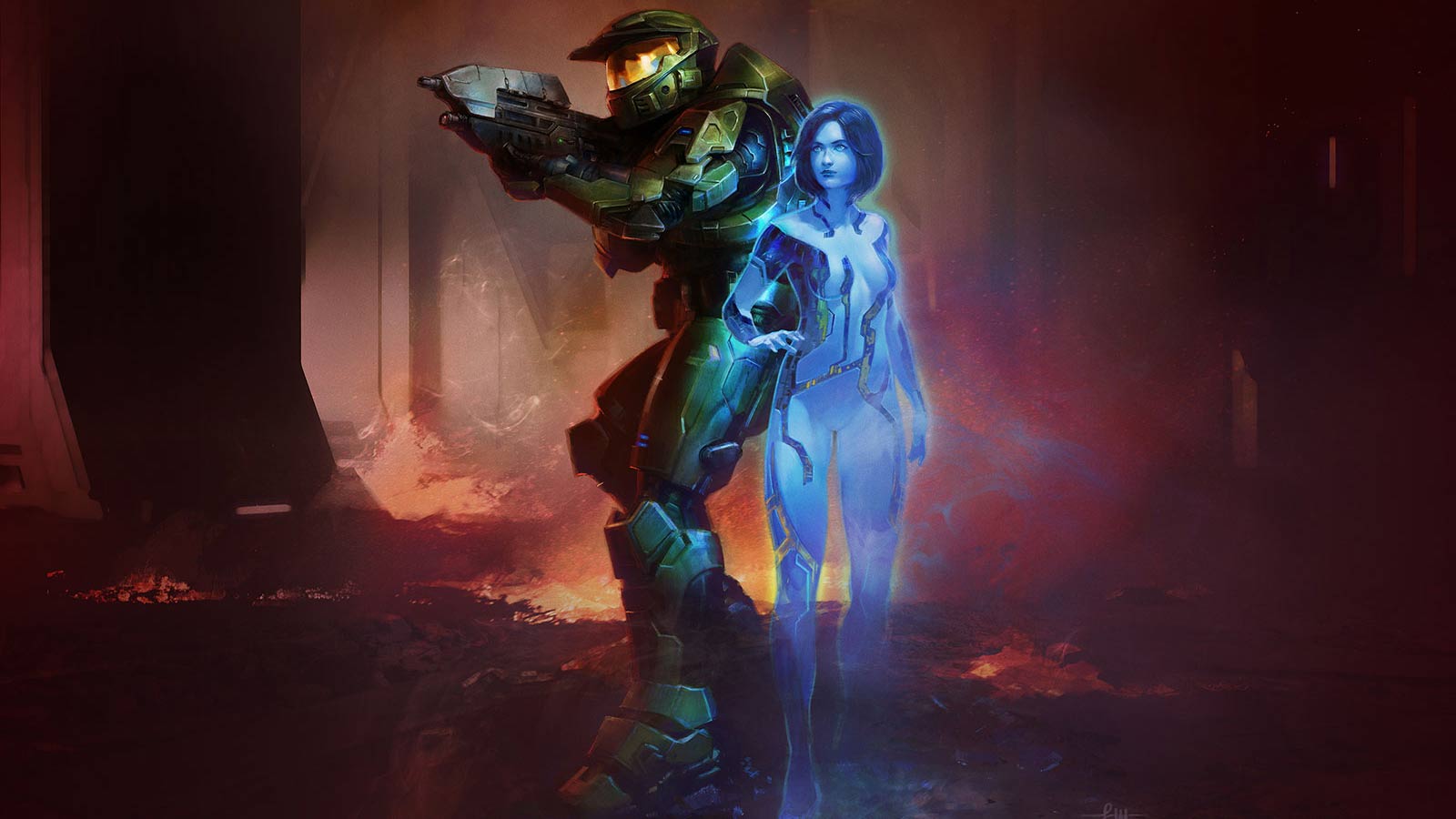
- Halo: Campaign Evolved is a complete remake of Halo: Combat Evolved, built in Unreal Engine 5.
- For the first time, Halo will launch on PlayStation 5, alongside Xbox and PC, in 2026.
- Microsoft’s move reflects a shift away from console exclusivity, aiming to reach a wider audience.
- Industry changes include major layoffs and project cancellations at Microsoft’s gaming division.
Halo’s Leap: Why Campaign Evolved Is Breaking Boundaries
For more than two decades, Halo has stood as Xbox’s flagship series—a franchise synonymous with Microsoft’s gaming identity and the home of the iconic Master Chief. But in a move that’s rewriting the rules of gaming exclusivity, Microsoft has announced that Halo: Campaign Evolved, a complete remake of the original Halo: Combat Evolved, will launch not only on Xbox and PC, but also on PlayStation 5 in 2026 (Eurogamer).
This decision isn’t just about bringing a beloved title to more platforms. It’s a signal that the battle lines in gaming are shifting. As Matt Booty, President of Xbox game content and studios, recently told The New York Times, “Our biggest competition isn’t another console. We are competing more and more with everything from TikTok to movies.”
Microsoft’s willingness to share its most iconic character with rival hardware is more than a business decision; it’s a statement about how gamers connect, where they play, and what the future of entertainment might look like.
The Remake: Unreal Engine 5 and a Faithful, Modern Vision
Halo: Campaign Evolved isn’t just a port—it’s a full-scale remake. Built from the ground up in Unreal Engine 5, the game promises to deliver cutting-edge visuals and refined gameplay while staying true to the spirit of the original. Early hands-on impressions, including those from The Verge, highlight a game that looks “gorgeous” and feels both familiar and excitingly fresh.
The remake aims to modernize every aspect of the classic campaign, from the atmospheric corridors of the Pillar of Autumn to the mysterious alien landscapes of Halo ring. Long-time fans will recognize the storytelling beats and iconic encounters, while new players—especially those on PlayStation—will experience Master Chief’s journey for the first time with contemporary polish.
Developers have emphasized that this is “a faithful yet modernised remake,” suggesting that while graphics and controls will meet today’s standards, the core gameplay loop, level design, and even the infamous Silent Cartographer mission will retain their original magic.
Why Console Exclusivity Is Fading Away
For years, the gaming industry thrived on exclusivity. Sony and Nintendo have fiercely protected their first-party titles, building loyal communities and selling hardware on the promise of unique experiences. Microsoft, too, built its brand around must-have exclusives—none more powerful than Halo.
But the landscape is evolving. As Booty explained, “We are all seeking to meet people where they are.” In a world where entertainment options are more diverse and accessible than ever, sticking to one platform can mean missing out on millions of potential players. The rise of streaming, social media, and mobile gaming has changed how people interact with games and each other.
Microsoft’s decision to bring Halo to PlayStation 5 signals a strategic pivot. It’s no longer enough to compete on hardware alone. The real competition is for attention—and that means making games available wherever players want to be.
It’s a stance that sets Microsoft apart from rivals. While Sony has only recently begun porting select games to PC, and Nintendo remains fiercely protective of its IP, Microsoft is betting that broader access will build stronger communities and longer-lasting franchises.
Industry Challenges: Layoffs and Restructuring
This era of transformation hasn’t been easy. Microsoft’s gaming division has faced significant layoffs—over 9,000 employees across the company, with hundreds from game studios and support teams (Eurogamer). Projects like Rare’s Everwild, The Initiative’s Perfect Dark reboot, and a new ZeniMaz MMORPG were canceled, and some teams, such as Turn 10 Studios behind Forza Motorsport, have reportedly dissolved.
Microsoft explained these moves as “necessary to position the company and teams for success in a dynamic marketplace.” The pressure to innovate and meet profit margins has driven hard decisions, including the use of AI tools to replace some staff—such as the 200 laid off from King, the studio behind Candy Crush.
Despite these setbacks, the company remains focused on the future. Sarah Bond, President of Xbox, has confirmed that new Xbox hardware is in development, with AMD as a partner for next-generation devices. The division’s willingness to experiment—including the move to bring Halo to PS5—shows a commitment to adapt, even if the process is painful.
What Does This Mean for Gamers?
For PlayStation users, Halo: Campaign Evolved represents more than just another game. It’s a chance to experience a story that helped define modern shooters, now rebuilt for a new audience. For longtime Xbox fans, there’s a bittersweet sense of pride and nostalgia: their favorite saga is reaching more players than ever before.
This move could redefine how publishers view exclusivity and community. It’s a reminder that the value of a franchise isn’t just in its hardware, but in its ability to connect people—across platforms, genres, and even generations.
As the gaming world continues to evolve, one thing is certain: the boundaries between platforms are fading. The focus is shifting to experiences, accessibility, and the shared joy of play. Halo’s leap to PlayStation might just be the beginning.
Microsoft’s decision to remake Halo for PlayStation 5 is more than a technical upgrade—it’s a cultural moment. By opening the doors to new players and platforms, the company is betting on inclusivity and adaptability in a changing entertainment landscape. The enduring appeal of Halo’s universe, now accessible to a wider community, could set the tone for gaming’s future—one where stories matter more than the systems they run on.