


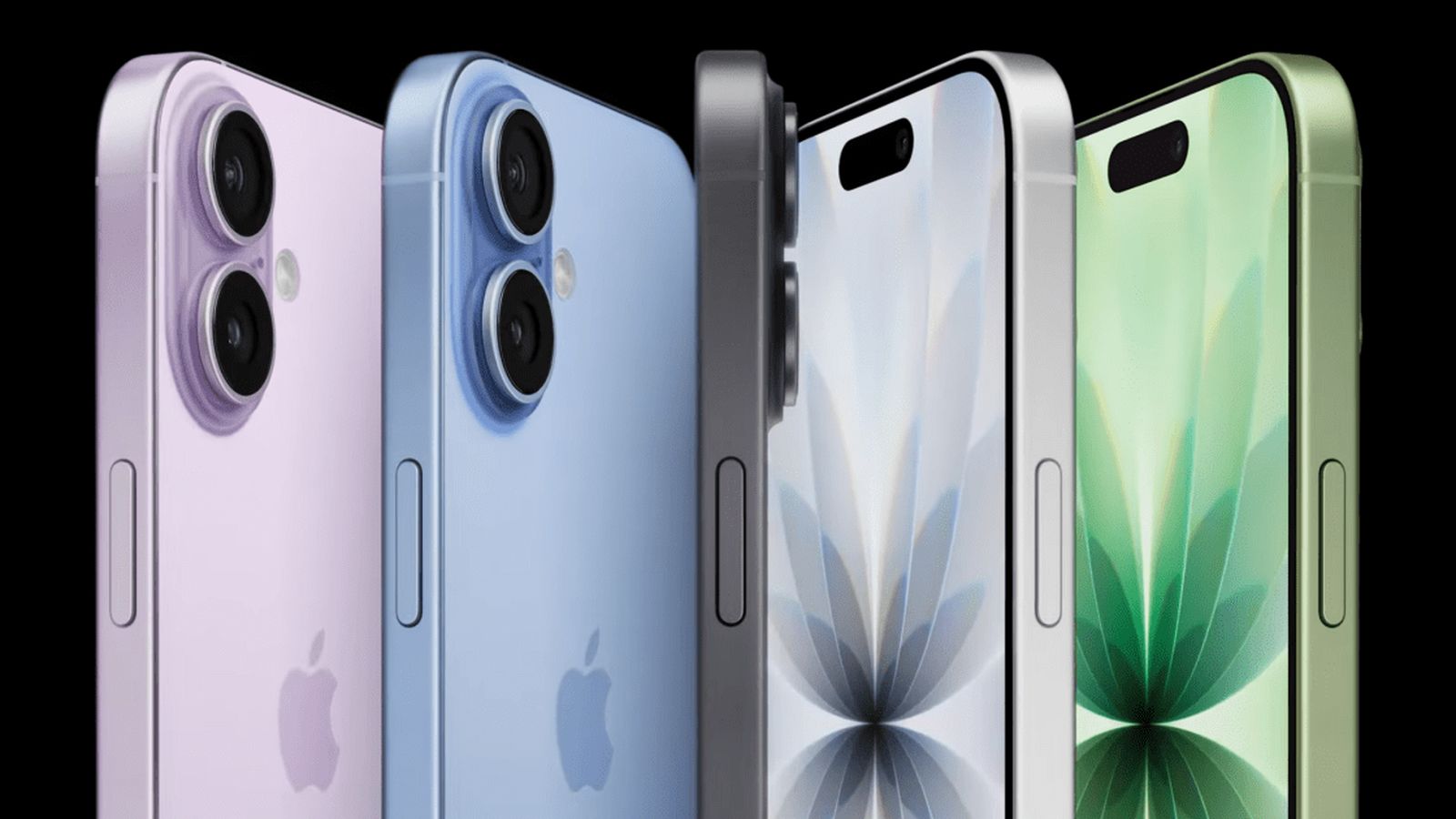
Apple Sets Stage for a Hardware Overhaul with iPhone 18
Apple is poised to make a bold leap in its upcoming iPhone 18 lineup, according to industry reports cited by Digital Trends. The tech giant is reportedly planning to equip every model—from the standard iPhone 18 to the high-end Pro and Air variants—with 12GB of RAM. For years, Apple reserved its top-tier memory specs for the Pro models, leaving standard iPhones with less power. Now, the company appears ready to erase that distinction and deliver a unified performance experience for all users.
Why 12GB RAM Matters: AI, Multitasking, and the User Experience
This move isn’t just about bragging rights. The demand for powerful hardware is being driven by the rise of on-device artificial intelligence features, which require considerable memory to run smoothly. As AI-driven photo editing, voice assistants, and real-time translation become more central to the iOS experience, users expect their devices to keep up without lagging or crashing. By standardizing 12GB of RAM across the board, Apple is signaling that every iPhone user deserves premium performance, whether they’re a content creator or a casual user.
To make this shift possible, Apple has reportedly enlisted Samsung—its primary memory supplier—to ramp up production of LPDDR5X RAM chips. These chips, available in 12GB and 16GB configurations, offer higher speeds and lower power consumption, paving the way for more responsive apps and extended battery life. Apple is also said to be negotiating with SK Hynix and Micron to secure additional supplies, indicating that the company is serious about meeting global demand.
Beyond RAM: Foldable iPhone and Next-Gen Camera Tech
The iPhone 18 lineup is rumored to include more than just memory upgrades. Apple may introduce its first foldable iPhone as part of the series, with industry insiders suggesting a launch in fall 2026. The foldable device, often called the “iPhone Fold,” has been the subject of speculation for years. Now, analysts like Ming-Chi Kuo point to breakthroughs in hinge technology that could make the foldable iPhone both durable and affordable. Foxconn and Shin Zu Shing are said to have secured the majority of hinge orders, with costs coming in well below market expectations—a move that could help Apple price its foldable competitively.
Camera enthusiasts have more to look forward to. The iPhone 18 Pro is expected to debut Apple’s first variable-aperture main camera, a feature that has long been a staple of high-end DSLR cameras. By allowing users to adjust the aperture, the camera can better handle challenging lighting conditions, from bright sunlight to dim interiors. This could mark a turning point in mobile photography, giving iPhone users unprecedented control over their shots.
Potential Impact: Performance Parity and Pricing Questions
While these upgrades promise a smoother, more powerful user experience, they also raise questions about cost. More advanced hardware typically means higher production expenses, and industry observers wonder if Apple will pass those costs on to consumers. For power users and professionals, the jump to 12GB RAM and new camera tech is a clear win. But for everyday users, the prospect of pricier iPhones may prompt a reevaluation of what “premium” really means.
Apple’s strategy may also blur the line between standard and Pro models. If every iPhone packs the same memory and similar performance, what sets the flagship apart? Some speculate that features like the variable-aperture camera and foldable design will remain exclusive to the Pro and Air variants, preserving the allure of the top-tier devices.
Industry Landscape: Competition, Innovation, and the Future of iPhones
The iPhone 18 launch comes at a time when competitors like Samsung and Qualcomm are pushing boundaries in chip manufacturing and foldable design. Samsung’s recent push to develop a 2nm version of Qualcomm’s Snapdragon 8 Elite Gen 5 chipset, as reported by Digital Trends, could shift the balance of power in the smartphone market. As rival brands close the gap on hardware innovation, Apple’s decision to standardize high-end specs across its lineup may be as much about staying ahead as it is about delivering value to users.
Looking ahead, the iPhone 18 series is expected to include the iPhone Air 2, iPhone 18 Pro, iPhone 18 Pro Max, and the foldable iPhone, all launching in fall 2026. The standard iPhone 18 and 18e are rumored to follow in early 2027, offering consumers a range of options tailored to different needs and budgets.
What Does It Mean for Users?
If the rumors hold true, the iPhone 18 could usher in a new era of hardware parity, where every user—regardless of which model they choose—gets a device capable of handling the latest AI features, creative apps, and multitasking demands. The addition of foldable technology and advanced camera controls further positions Apple as a leader in innovation, while also challenging the company to balance premium features with accessible pricing.
Ultimately, the success of the iPhone 18 will depend not just on technical specs, but on how these changes translate into real-world benefits for users. Will the average consumer embrace pricier, more powerful devices? Or will Apple need to rethink its approach to delivering value and differentiation in an increasingly competitive market?
Apple’s rumored overhaul for the iPhone 18 series—unified RAM, foldable design, and DSLR-level camera features—signals a major shift in its hardware philosophy. By aiming for performance parity, the company risks blurring traditional product lines, raising strategic questions about pricing, differentiation, and user priorities in the next era of mobile technology.