
Quick Read
- Hamas has agreed to a 60-day ceasefire proposal for Gaza, mediated by Egypt and Qatar.
- The truce includes the release of half the hostages in Hamas’ custody, but Israel demands all hostages be freed.
- Israel remains cautious, fearing Hamas might use the ceasefire to regroup militarily.
- The humanitarian crisis in Gaza underscores the urgent need for a resolution.
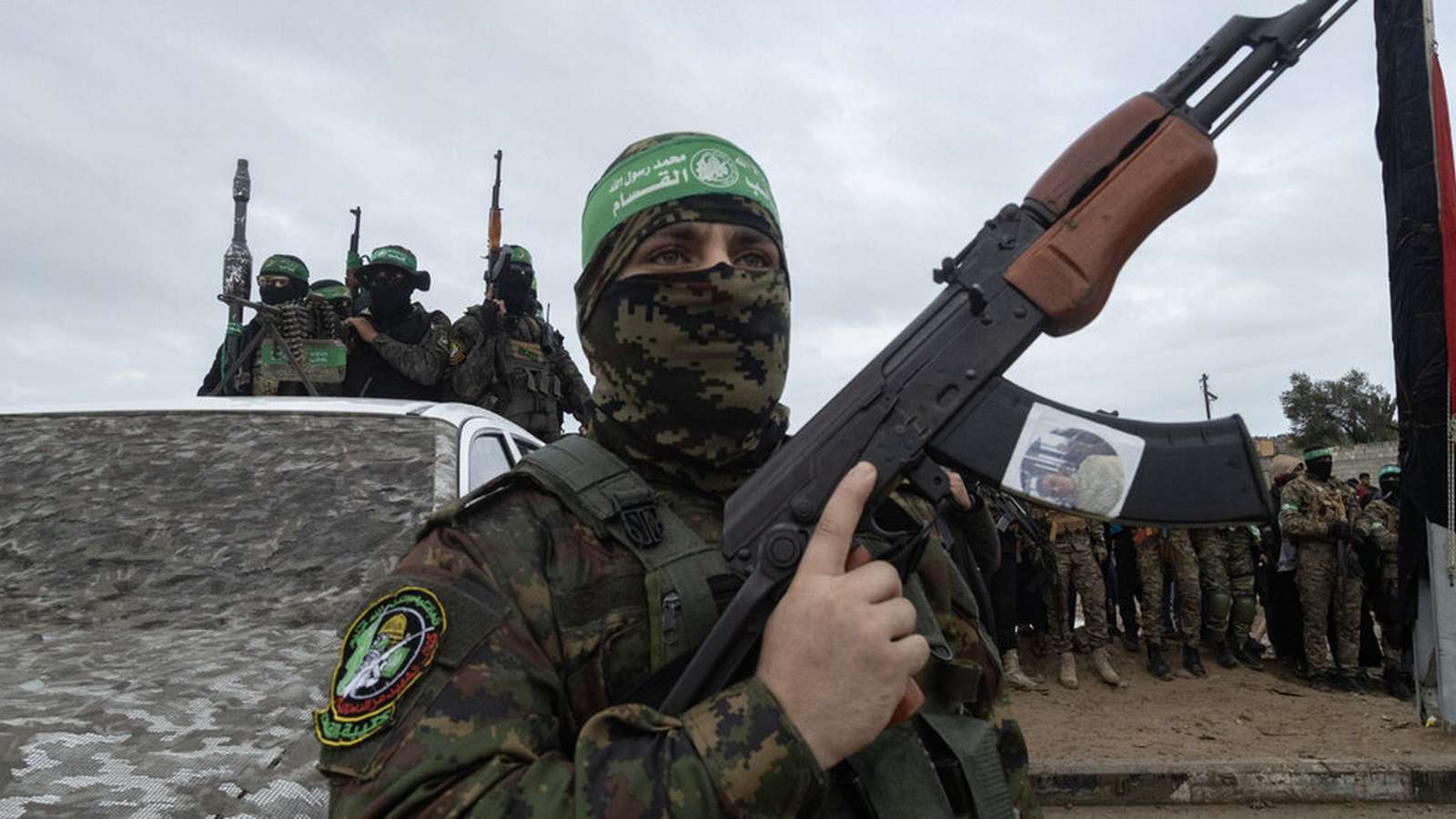
The long-standing conflict between Israel and Hamas has taken a tentative step toward de-escalation, as reports emerged on August 19, 2025, of Hamas agreeing to a 60-day Gaza ceasefire proposal. This development comes amid mediation efforts led by Egypt and Qatar, which have been actively pushing both sides toward a temporary truce to alleviate the humanitarian crisis in Gaza.
Details of the Ceasefire Proposal
The proposed ceasefire includes a 60-day truce, during which hostilities on both sides are expected to halt. In return, Hamas has agreed to release half of the hostages currently in its custody, as reported by Reuters. According to Israeli intelligence, 50 hostages are believed to be alive, which means approximately 25 individuals would be freed under the current terms. However, Israel remains firm in its demand for the release of all hostages, a condition that has so far prevented the proposal from being finalized.
Sources indicate that the ceasefire aims to create space for more comprehensive negotiations addressing the larger conflict. The release of hostages is being seen as a goodwill gesture that could pave the way for deeper dialogue. Despite this, significant mistrust between the parties continues to hinder progress, with each side accusing the other of bad faith.
Egypt and Qatar’s Role in Mediation
Egypt and Qatar have emerged as crucial intermediaries in this latest round of negotiations. Both nations have historically maintained open communication channels with Hamas and Israel, allowing them to serve as facilitators in tense moments. According to CNN, their role has been instrumental in bringing Hamas to the table and convincing them to consider a ceasefire proposal that includes concessions.
Egypt, which shares a border with Gaza, has a vested interest in reducing hostilities to prevent spillover effects. Qatar, on the other hand, has provided financial and humanitarian aid to Gaza in the past, positioning itself as a significant player in peace-building efforts. Both countries continue to urge Israel to consider the immediate humanitarian needs in Gaza, emphasizing that a ceasefire could prevent further civilian casualties and infrastructure damage.
Israeli Concerns and Sticking Points
While Hamas has shown willingness to negotiate, Israel has expressed reservations about the current terms of the ceasefire. Officials in Tel Aviv are cautious about entering into a temporary truce without guarantees for the release of all hostages. The Israeli government views this as a moral and political obligation, particularly in light of public pressure from families of the abducted individuals.
Furthermore, Israel remains skeptical of Hamas’ intentions, fearing that the militant group could use the ceasefire to regroup and replenish its resources. A senior Israeli official, speaking on condition of anonymity, stated that while the truce is a step in the right direction, it must be accompanied by mechanisms to ensure Hamas does not exploit the pause in hostilities for military advantage.
Humanitarian Implications
The humanitarian situation in Gaza remains dire, with thousands of civilians caught in the crossfire. International organizations have repeatedly called for an immediate cessation of violence to allow aid to reach those in need. According to recent reports, hospitals in Gaza are overwhelmed, and basic necessities such as water, food, and electricity are in critically short supply.
A ceasefire would provide much-needed relief for Gaza’s population, allowing humanitarian agencies to deliver aid and rebuild essential infrastructure. However, the success of such efforts hinges on the cooperation of both parties and the international community’s commitment to supporting peace initiatives in the region.
As the situation evolves, the world watches closely to see whether this fragile agreement can serve as a stepping stone toward lasting peace or if it will become yet another chapter in the protracted Israeli-Palestinian conflict.