
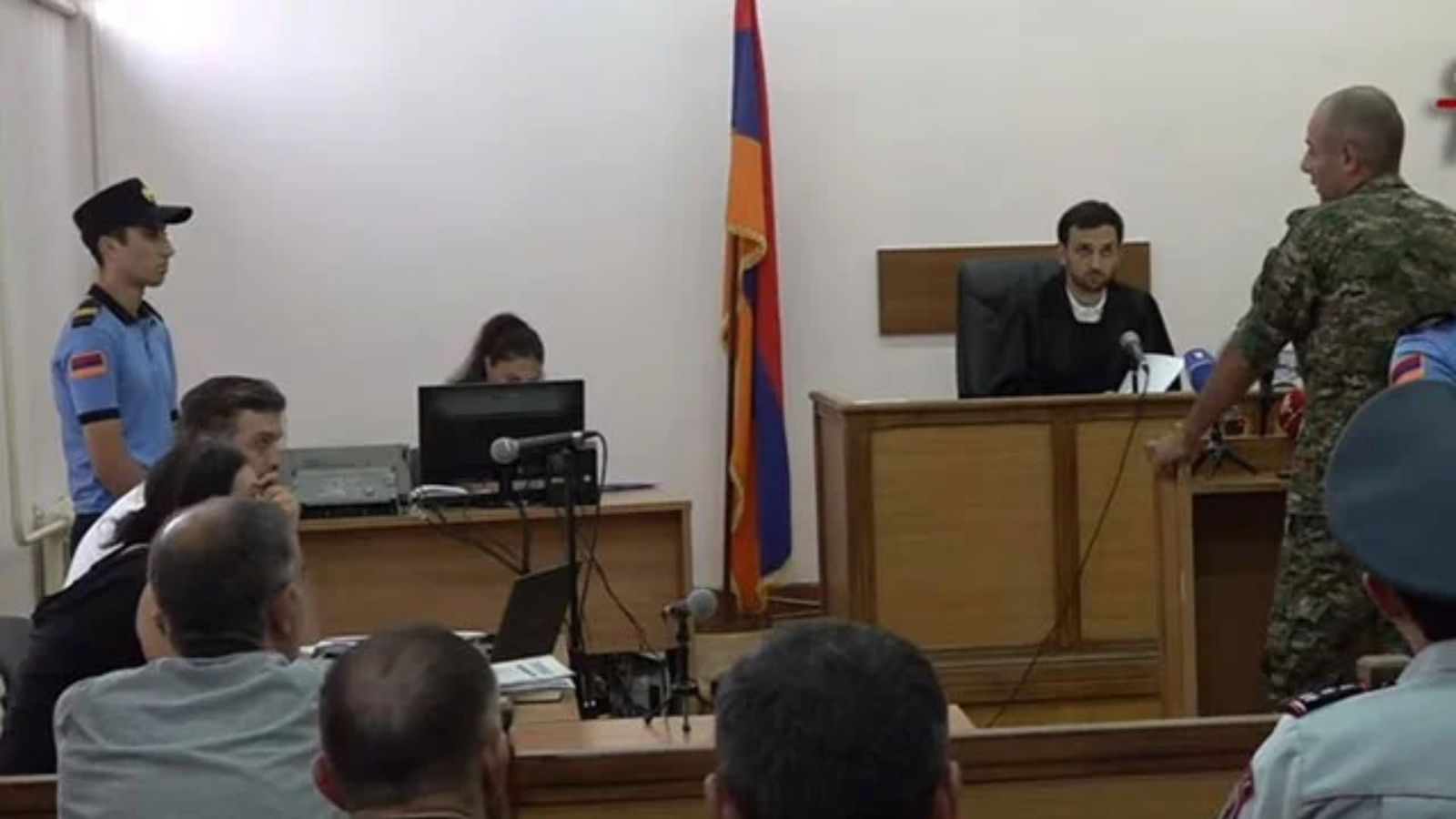
– Haykaz Grigoryan has been sentenced to six years in prison for his actions during the 44-day war.
– He was found guilty of abuse of power and failure to fulfill his duties.
– The case underscores ongoing discussions about accountability in military and governmental conduct during armed conflicts.
In a significant ruling that echoes the complexities of accountability in wartime, Haykaz Grigoryan has been sentenced to six years in prison due to his actions during the 44-day war. The court found him guilty of abuse of power and neglecting his responsibilities, a verdict that has ignited conversations about the need for transparency and justice in the aftermath of conflict.
Grigoryan’s case is not just a legal matter; it encapsulates a broader narrative of the struggles faced by individuals in positions of authority during times of crisis. The 44-day war, which unfolded in late 2020, left deep scars on the Armenian society, both in terms of human loss and the psychological toll on its people. Grigoryan’s sentencing serves as a reminder of the importance of accountability in any military operation and the necessity for leaders to uphold their duties, especially when the stakes are so high.
The details of Grigoryan’s actions revealed a troubling neglect of duty that many argue contributed to the chaos of the war. This situation raises a vital question: how can leaders ensure they are equipped to make the right decisions when lives hang in the balance? The judgment against Grigoryan reflects not only on his individual conduct but also on the systemic issues that can lead to such failures in governance and military strategy.
As the public reflects on this verdict, it is essential to consider the lessons learned from the past. Accountability should not be an afterthought but a cornerstone of governance, especially in times of conflict. The hope is that this ruling will prompt a deeper examination of military and governmental practices to prevent future tragedies.
Moreover, as discussions continue around Grigoryan’s case, it highlights the need for a more robust framework for accountability in military operations. Such structures can ensure that those in positions of power are held responsible for their decisions, fostering a culture of responsibility that is essential for rebuilding trust within the community.
As society moves forward, it is crucial to remember that the implications of war extend beyond the battlefield. The effects linger in the hearts and minds of the people, and justice, as demonstrated in Grigoryan’s case, plays a vital role in healing those wounds. The road to recovery is long, but every step towards accountability is a step towards rebuilding a stronger, more resilient society.
In conclusion, Haykaz Grigoryan’s six-year sentence is a pivotal moment in the conversation about accountability in the face of tragedy. It stands as a testament to the importance of leadership integrity and the necessity for systemic reforms in how military engagements are conducted and overseen.