
Quick Read
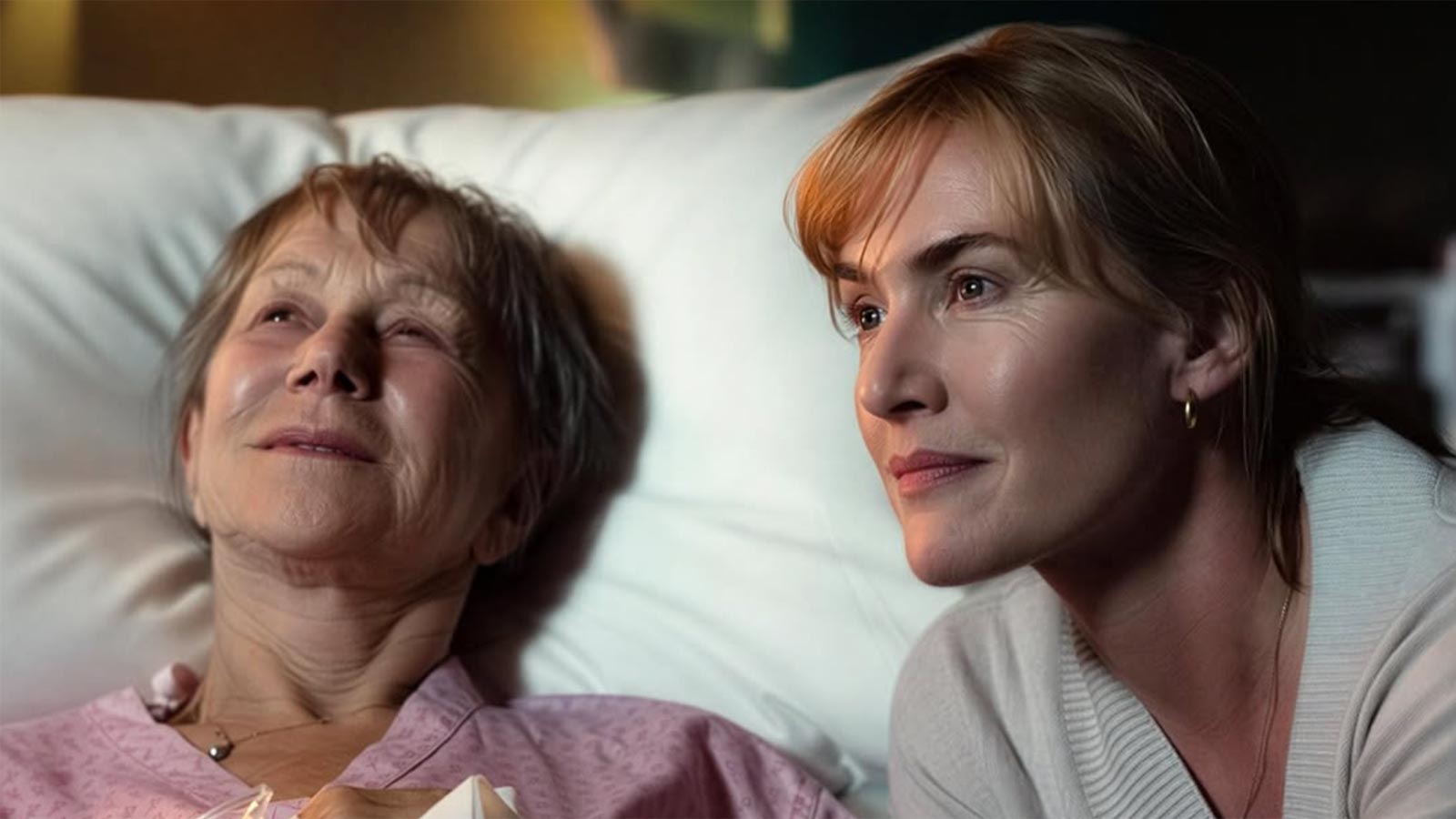
- Helen Mirren stars as the dying matriarch in ‘Goodbye June’, anchoring a large ensemble cast.
- The film is the directorial debut of Kate Winslet, based on a script by her son Joe Anders.
- Inspired by real family experiences, the story focuses on generational bonds and loss.
- Winslet and Anders collaborated closely, blending personal grief and creative vision.
- The cast and story reflect modern family diversity and authenticity.
Helen Mirren Joins a Family Affair: The Heart of ‘Goodbye June’
There’s a rare electricity when true legends step onto a set, and Helen Mirren is no stranger to it. In Goodbye June, Mirren takes on the role of a matriarch whose presence binds a sprawling, complicated family together, even as she faces her final days. The film, directed by Kate Winslet in her first turn behind the camera, is more than just a drama—it’s a deeply personal tribute to family, legacy, and the often messy ways we say goodbye.
A Script Born from Grief and Real Life
The roots of Goodbye June are as intimate as the movie itself. Joe Anders, Winslet’s son, wrote the screenplay while studying at the National Film and Television School in England, drawing inspiration from his own experience of watching his grandmother’s last days in the hospital. The script quickly resonated with Winslet, who saw in it an honest reflection of the complicated, beautiful reality of family life. She championed the project not out of obligation, but because she saw its merit and potential to touch hearts.
Helen Mirren: The Matriarch’s Final Days
At the center of the film is Mirren’s character—a woman surrounded by generations, each bringing their own baggage and hope. Mirren’s performance is described by collaborators as anchoring the film, providing the emotional gravity around which the story’s ensemble revolves. Her portrayal is not just of a dying woman, but of a life lived fully, now reflected in the faces and struggles of her children and grandchildren. Mirren’s subtle approach, capturing the dignity and vulnerability of her character, elevates the film from melodrama to something achingly real.
Collaborative Spirit: Winslet and Anders, Family on and off Screen
The making of Goodbye June was itself a family affair. Winslet, stepping into the director’s chair, worked closely with her son Anders to refine the screenplay. Their process was sometimes fraught—shaped by the dual roles of mother-son and director-writer—but always grounded in mutual respect and a shared vision. Winslet was determined not to let Anders disappear into the background once his script was delivered, pushing for his involvement in every stage of production.
The cast, which includes Timothy Spall as Mirren’s husband and Winslet herself as one of the daughters, reflects the film’s commitment to authenticity. Winslet drew from her own experiences and friendships to shape her character, Julia, a daughter torn between career and the demands of family. The ensemble also features Andrea Riseborough, Toni Collette, and Johnny Flynn, each contributing to the naturalistic, lived-in feel of the hospital room where most of the film unfolds.
Authenticity and Representation: A Modern Family Portrait
Winslet and Anders were deliberate about making the film’s world feel real and inclusive. The story includes children with Down syndrome and autism, as well as a child whose gender identity is respected and normalized on set—a reflection of the evolving nature of family and identity. Winslet insisted on authenticity, from the casting choices to the way scenes were shot, often keeping cameras rolling to capture unscripted moments among the children and adults.
Mirren’s matriarch is at the heart of this diversity, her presence quietly shaping the family’s ability to communicate and love across differences. The film’s approach is neither preachy nor tokenistic; instead, it reflects the organic way real families navigate challenges and change.
Production Challenges and Intimate Rewards
The seven-week shoot was demanding, especially given the large cast and many children. Winslet admits the logistics were daunting, but the payoff was in the authenticity and emotional depth that emerged. Mirren’s performance, alongside Spall and the ensemble, helped create an atmosphere where grief, humor, and love could coexist in the cramped hospital setting. The film’s climax, featuring a poem Anders once wrote for Winslet, underscores the personal stakes for everyone involved.
Helen Mirren’s Broader Career: Versatility and Impact
Though Goodbye June is a recent highlight, Mirren’s career has always been marked by versatility. From her iconic roles in The Queen to her unexpected appearances in blockbuster franchises like Fast & Furious (as noted in Barry Hertz’s book excerpt in AV Club), Mirren has shown a willingness to embrace both high drama and playful action. Her ability to bring gravitas to any role, whether royal or rogue, continues to earn her respect from peers and audiences alike.
In Goodbye June, Mirren returns to the kind of intimate, character-driven storytelling that first made her a star, reminding viewers of the power of understated performances and ensemble work. The film’s success is a testament not only to Mirren’s enduring talent, but also to the creative risks taken by Winslet and Anders in bringing a deeply personal story to the screen.
Legacy and Connection: Why ‘Goodbye June’ Matters
Ultimately, Goodbye June is a film about connection—between generations, between artists, and between the stories we tell and the lives we live. Mirren’s role as the dying matriarch is both an ending and a beginning, setting the stage for her family to confront old wounds and forge new bonds. Winslet’s directorial debut, guided by Anders’ script, is more than just a professional milestone; it’s a testament to the healing power of collaboration and the enduring importance of family.
The emotional resonance of the film, amplified by Mirren’s nuanced performance and the ensemble’s chemistry, invites viewers to reflect on their own families—the moments of loss, the unexpected joy, and the ties that persist even as time moves relentlessly forward.
Helen Mirren’s involvement in ‘Goodbye June’ is a masterclass in understated acting, anchoring a story that is both specific and universal. The film’s unique genesis, blending personal grief and creative ambition, is a reminder that some of the most powerful art springs from collaboration and honest reflection. As Mirren continues to navigate between blockbuster spectacle and quiet drama, her legacy grows ever more relevant, showing that true artistry lies in both risk and restraint.