
Quick Read
- Gusty winds and heavy rains led to widespread power outages across the Hawaiian Islands, affecting over 14,000 customers on Oahu.
- All Hawaii public schools, University of Hawaii campuses, state Legislature, and Judiciary were closed on Monday, February 9.
- Governor Josh Green issued an emergency proclamation, active through February 11, to mobilize resources.
- The Oahu Emergency Operations Center was activated, and the Hawaii National Guard deployed personnel for assistance.
- Officials advised water conservation, non-essential travel avoidance, and caution due to ongoing high winds, surf, and potential flooding.
HONOLULU (Azat TV) – Severe weather encompassing gusty winds, heavy rainfall, and high surf has unleashed widespread disruptions across the Hawaiian Islands, particularly impacting Oahu and Honolulu, leading to extensive power outages and the closure of schools, government offices, and numerous city facilities. As of Monday, February 9, 2026, officials are urging continued caution, with many services remaining suspended and emergency crews working tirelessly to restore normalcy following a weekend of relentless storms.
Widespread Disruptions Across Oahu and Honolulu
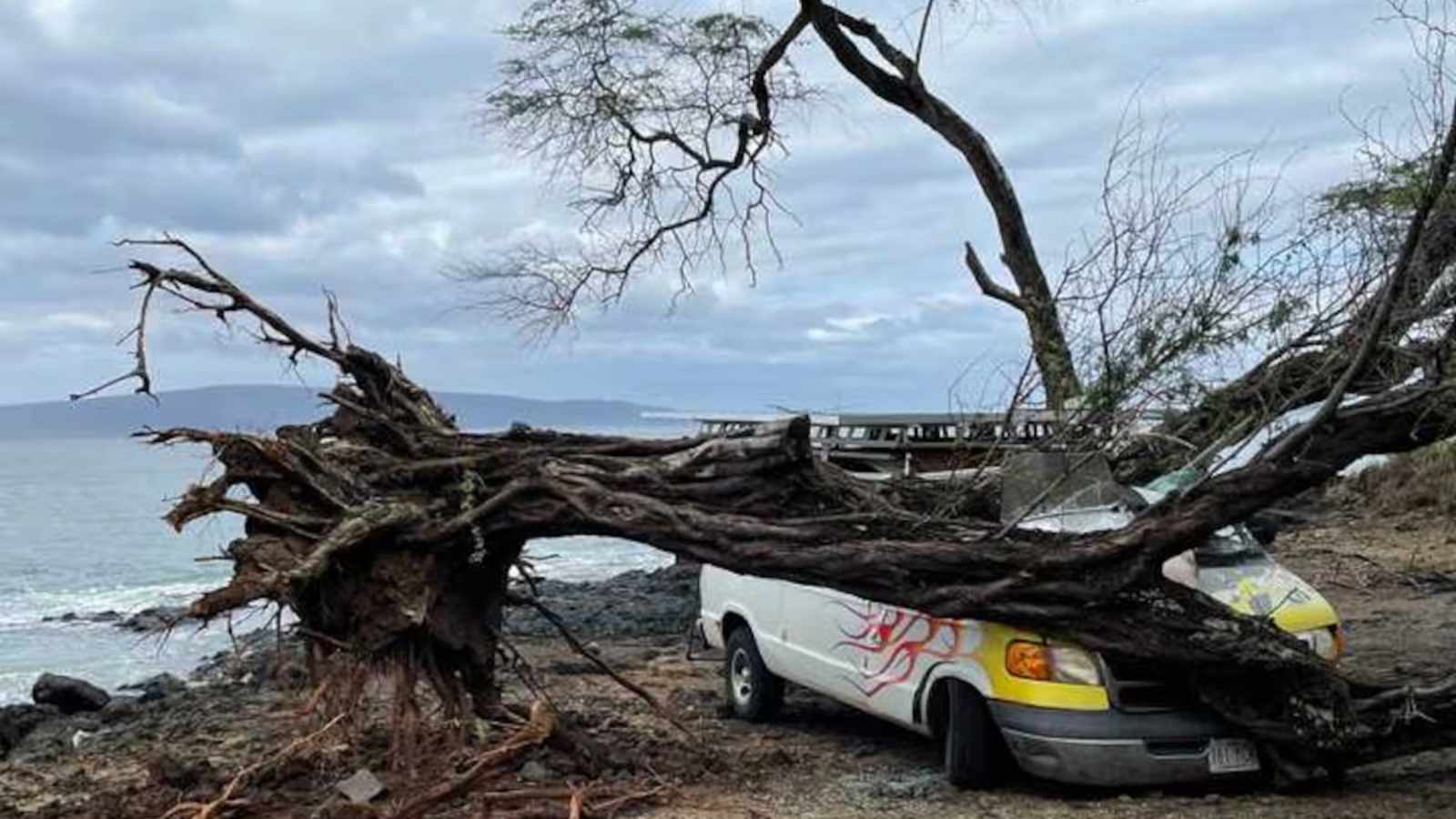
The powerful storm system, characterized by northeast winds reaching 25 to 35 mph with gusts up to 70 mph in West Maui and 50 mph in Leeward Oahu, has left thousands without electricity. Hawaiian Electric Co. (HECO) reported that as of 9 p.m. on Sunday, February 8, approximately 14,200 Oahu customers were without power, with an additional 1,300 in Upcountry Maui and 2,500 on Hawaii island also affected. Earlier in the day, around 12,700 customers, predominantly on Oahu in areas like Nanakuli, Makakilo, Kalihi, Honolulu, and Manoa, experienced outages. HECO officials, as reported by the Star-Advertiser, warned of “challenging” days ahead, urging customers to prepare for potential extended overnight outages. Many of these outages were attributed to trees and weather-related debris impacting power lines, with over 150 HECO employees and contractors deployed for restoration efforts.
The storm’s impact extended beyond power disruptions, prompting significant closures. Governor Josh Green announced on Sunday that all Hawaii public schools, including University of Hawaii campuses, would be closed on Monday, February 9. The closures also encompassed the state Legislature and the Judiciary, with only essential state workers required to report. Department of Education Superintendent Keith Hayashi emphasized the gravity of the decision, stating, “given concerns about flooding, road access and power outages across our communities, safety must come first.” Similarly, all YMCA of Honolulu branches and programs, Oahu municipal golf courses, and Honolulu Botanical Gardens, including Ho‘omaluhia Botanical Garden due to roadway flooding, were closed. Overnight camping at city campgrounds was suspended through February 11.
Emergency Response and Power Restoration Efforts
In response to the severe conditions, the Oahu Emergency Operations Center was activated at 7 a.m. on Sunday, advising residents to take precautions such as avoiding flooded roads, evacuating to higher ground if unsafe, and being aware of electrocution risks from downed power lines. Governor Green had issued an emergency proclamation on Friday, February 6, effective through Wednesday, February 11, to mobilize additional resources and personnel for the severe storm, which he described as “precarious right now,” according to Star-Advertiser reports.
The Hawaii National Guard has activated personnel and high-clearance vehicles across all four counties, standing ready to assist with evacuations, supply delivery, and emergency response. Adjutant General Stephen F. Logan confirmed that liaison officers are embedded in county emergency operations centers, coordinating support with federal and military partners. Despite the widespread closures, airports remained operational, though officials advised travelers to check with airlines due to potential interisland flight cancellations. Ports and cargo operations continued without expected interruption to supply shipments.
The Honolulu Board of Water Supply issued a water conservation request, asking customers to limit usage to essential needs due to potential impacts on facilities’ ability to pump and distribute water across the island. Meanwhile, on Hawaii island, Mayor Kimo Alameda urged residents to avoid non-essential travel and announced the closure of county parks, beach parks, and solid waste facilities, with several shelters opened in North Hilo, Hamakua, and Kohala districts. Maui County officials also advised against nonessential travel through at least Tuesday due to flooding, landslides, and downed trees, with their emergency operations center partially activated.
Looking Ahead: Continued Caution for Hawaii
The National Weather Service (NWS) maintained a high wind warning for all Hawaiian Islands until 6 p.m. Monday, February 9, with a flood watch continuing through Monday afternoon, particularly for windward slopes. Forecasters expected strong trade winds to draw large, very rough surf to eastern shores, with waves of 10 to 15 feet forecast along east-facing coasts through Monday night. A winter storm warning also remained in effect for the Big Island summits until Monday evening, anticipating 10 to 16 inches of heavy snow, making travel “very difficult to impossible.”
While the NWS predicted a shift in the weather pattern from Monday night into Tuesday, effectively eliminating the immediate threats of heavy rain and thunderstorms, strong easterly tradewinds are expected to continue bringing scattered rain showers throughout the week. Officials reiterated the importance of securing loose outdoor items, exercising caution while driving, especially for high-profile vehicles, and staying away from shorelines and downed power lines.
The comprehensive closures and emergency declarations underscore the severity of the recent weather system, highlighting the islands’ vulnerability to extreme conditions and the critical need for coordinated public safety measures and infrastructure resilience.