
Quick Read
- Hurricane Melissa made landfall in Jamaica as a Category 5 storm with 185 mph winds and 892 mb pressure.
- Over 240,000 people lost power; hospitals in southwest Jamaica relied on generators.
- Melissa is the first Category 5 hurricane to directly hit Jamaica, causing catastrophic flooding and damage.
- Authorities urged residents to seek shelter and avoid coastlines and low-lying areas.
- Melissa ranks among the strongest Atlantic hurricanes ever, fueled by unusually warm Caribbean waters.
Unfolding Crisis: Melissa’s Landfall Shatters Records
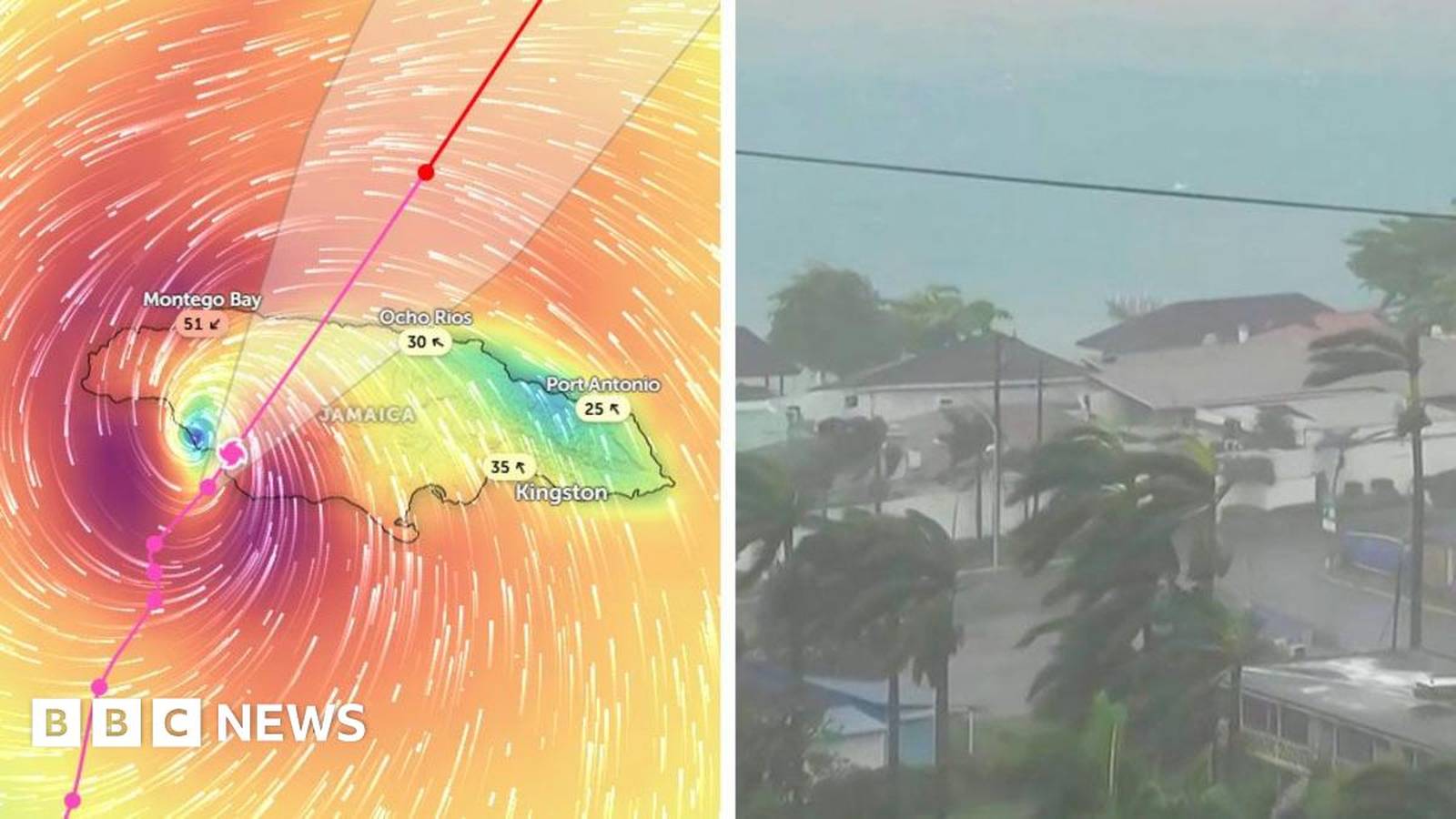
On October 28, 2025, Jamaica found itself at the center of a historic natural disaster as Hurricane Melissa, a Category 5 storm, made landfall near New Hope. The National Hurricane Center confirmed maximum sustained winds of 185 mph (295 km/h) and a minimum central pressure of 892 millibars—making Melissa one of the most powerful hurricanes ever recorded in the Atlantic. For a nation that has weathered storms before, Melissa’s arrival is not just another chapter in the hurricane season, but a defining moment in Jamaica’s history.
Prime Minister Andrew Holness called it the “storm of the century,” underscoring the gravity of what Jamaicans are experiencing. The United Nations agency echoed this sentiment, marking Melissa as the first Category 5 to directly strike the island, a meteorological event without precedent for Jamaica.
Power Outages, Flooding, and Uncertainty: The Human Impact
By midday, more than 240,000 people—about 35% of Jamaica Public Service customers—were already without electricity. The blackout affected both urban centers and remote villages, with hospitals in southwestern parishes like Manchester and St. Elizabeth forced onto backup generators. Daryl Vaz, Minister for Science, Energy, Telecommunications and Transport, assured the public that crews were working to restore power where conditions allowed, but the ferocity of the storm hampered these efforts.
Residents across Jamaica described scenes of escalating panic and destruction. In Alligator Pond, restaurant owner Evrol Christian attempted to evacuate as the sea breached coastal defenses. “The sea level is coming over the wall and we’re in serious trouble,” he told CNN before urging neighbors to flee to higher ground. In Kingston, university lecturer Louis-Ray Harris reported winds picking up, power outages, and mounting anxiety as he sheltered with his family. Meanwhile, tourists found themselves locked down in hotels, their disrupted vacations a stark contrast to the existential threat facing locals.
These stories are echoed by Shelley Jackson in Montego Bay, where the petrol station opposite her home lost part of its roof. “I’m here with my neighbor and we are hunkering down,” she said, describing how provisions and community solidarity have become lifelines in the absence of outside help.
Why Was Melissa So Powerful? Meteorology Meets Climate Change
Meteorologists point to several factors behind Melissa’s extraordinary strength. The storm intensified from a tropical system to a Category 5 hurricane in just 24 hours, fueled by Caribbean Sea temperatures two to three degrees above average. Helen Willetts of BBC Weather explained that the lack of earlier storms this season left the ocean’s energy undiminished—a full tank for Melissa to draw upon.
The process is simple but devastating: warm, moist air rises at the storm’s center, lowering the pressure and intensifying wind speeds. The lower the pressure, the stronger the hurricane. Melissa’s central pressure of 892 mb places it among the most intense Atlantic storms in history, trailing only Hurricane Wilma (882 mb, 2005) and Gilbert (888 mb, 1988).
Climate change is an unmistakable backdrop. Forecasters and climate specialists suggest that human-induced warming is likely making hurricanes wetter, windier, and more unpredictable. While a direct link between Melissa and climate trends will be studied in coming months, the consensus is clear—warmer oceans mean stronger storms, and the Caribbean is on the front line.
Emergency Response: Last-Minute Shelter and Safety Advice
Authorities issued urgent warnings as Melissa approached, emphasizing that “this is not the time to be brave.” Nearly 6,000 people took refuge in emergency shelters, but many others—like Kabien in Santa Cruz, who runs a beauty salon—were unable to reach safety before the storm hit. “There is water coming in through the roof of my house,” she told BBC News, her voice echoing the fear and vulnerability felt by thousands across the island.
Richard Thompson, acting general of Jamaica’s Office of Disaster Preparedness, outlined essential safety measures for those sheltering at home: bring loose items indoors, secure animals, stay away from exterior walls, and move to lower floors if possible. Above all, stay inside and avoid coastlines, ravines, and low-lying areas. “We can’t do search and rescue in the height of a system,” Thompson warned.
The National Hurricane Center repeatedly stressed the risks: “catastrophic winds, flash flooding, and storm surges” could lead to “total structural failure” for buildings near the hurricane’s path. Anne-Claire Fontan of the World Meteorological Organization described it as “the storm of the century for sure.”
Comparisons with Past Storms: A New Benchmark for Destruction
For many Jamaicans, memories of Hurricane Gilbert in 1988 linger—49 lives lost and thousands of homes destroyed. More recent storms, like Dean (2007) and Beryl (2024), brought heavy rain and disruption, but neither matched Melissa’s raw power. Globally, Melissa now ranks among the strongest cyclones ever observed, rivaling Hurricane Patricia in Mexico (2015) and Typhoon Tip (1979).
The rapid intensification and sheer magnitude of Melissa’s winds and pressure set a new benchmark for Atlantic hurricanes. In terms of wind speed, Melissa’s 185 mph sustained winds tie it as the second strongest in Atlantic history, behind only Hurricane Allen (190 mph, 1980).
Looking Ahead: Relief Efforts and Recovery
With the storm still battering the island, officials are already planning recovery efforts. Minister Daryl Vaz said emergency relief flights could begin as early as Thursday, with contingency plans in place for airports affected by the hurricane. Kingston Mayor Andrew Swaby emphasized a collaborative response, with local agencies and neighboring countries pooling resources to mitigate long-term damage.
As the storm continues its path toward Cuba and the Bahamas, Jamaicans are urged to remain vigilant. The eye of Melissa offers only brief respite—after its calm center passes, winds and rain return from the opposite direction, bringing renewed danger.
Resilience and Reflection: The Human Spirit Amid Disaster
In the face of historic adversity, Jamaicans have demonstrated remarkable resilience. Community networks, emergency preparations, and shared knowledge have become vital tools for survival. Yet, as the floodwaters rise and the winds howl, the nation confronts uncomfortable truths about vulnerability, preparedness, and the changing climate.
For some, like hotel worker Shaquille Clarke in Negril, hope persists: “I’m just hoping for the best.” For others, the ordeal is immediate and raw—doors torn from hinges, children frightened, and homes threatened by the elements.
Hurricane Melissa’s impact on Jamaica is a stark reminder of nature’s unpredictable power and the urgent need for adaptation in a warming world. The resilience shown by ordinary Jamaicans, from families sheltering together to first responders braving the storm, exemplifies the strength and solidarity required to weather both literal and figurative storms ahead.