

Quick Read
- Catherine Corcoran filed a lawsuit against Terrifier producers, alleging unpaid profits and sexual harassment.
- She claims she was promised 1% of franchise profits but received only $8,300 despite $105+ million box office earnings.
- The lawsuit alleges filming nude scenes without written SAG-AFTRA consent and unsafe working conditions.
- Producers deny all allegations and plan to vigorously defend the suit.
- The case has raised broader questions about fair compensation and consent in low-budget horror filmmaking.
Terrifier’s Cult Success: The Franchise That Changed Everything
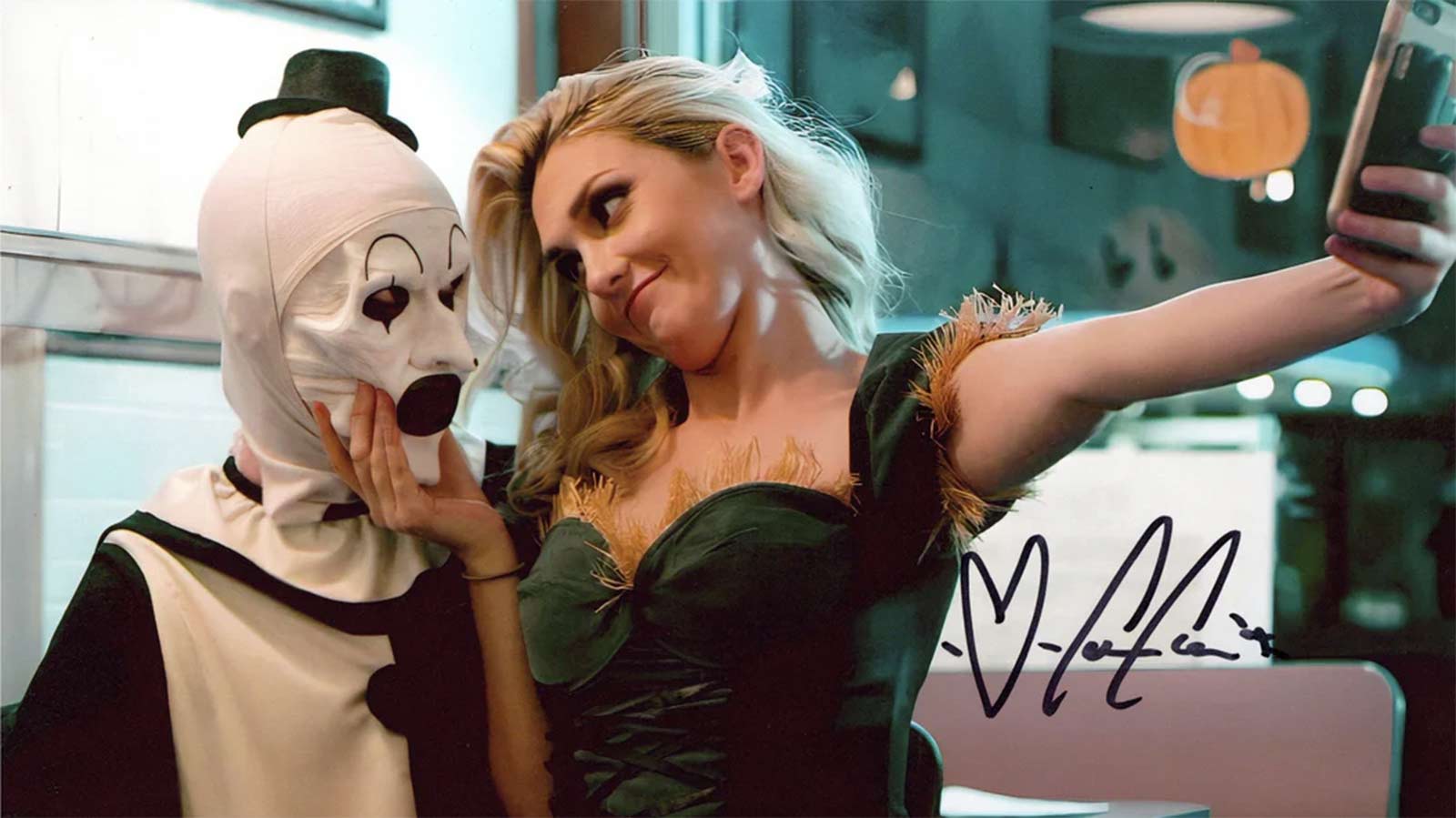
In the world of horror cinema, few films have achieved the meteoric rise of the Terrifier franchise. Launched in 2016 on a shoestring budget, the series was propelled to stardom by its villain, Art the Clown, and a handful of boundary-pushing kill scenes. At the heart of the first film’s notoriety was Catherine Corcoran, who played Dawn Emerson—victim of one of the genre’s most infamous death sequences. Yet, nearly a decade after her brutal on-screen demise, Corcoran’s real-life battle over the franchise’s profits and working conditions has cast a harsh spotlight on the darker side of indie filmmaking.
The Lawsuit: Unpaid Profits and Alleged Betrayal
On October 27, 2025, Catherine Corcoran filed a lawsuit in California federal court against Terrifier’s director Damien Leone, producer Phil Falcone, and several production companies. Her complaint is twofold: first, that she is owed 1% of all franchise profits—a deal struck in 2015 to compensate for her low daily rate on the original film. Second, the suit alleges sexual harassment and violation of industry regulations, including filming nude scenes without proper written consent as required by SAG-AFTRA.
Corcoran’s agreement was straightforward. She accepted the then-minimum SAG rate of $100 per day, but to safeguard her interests, negotiated a 1% backend deal covering box office, streaming, merchandise, and all franchise revenues. At the time, the franchise was a risky gamble. But as Terrifier grew into a multi-million-dollar phenomenon—with three films grossing over $105 million worldwide on a combined budget under $2.5 million—Corcoran’s investment should have paid off handsomely.
Instead, according to court documents cited by Variety and ScreenRant, she has received only about $8,300 in total royalties. Her payments became sporadic, dwindled, and ceased entirely in July 2024, despite the franchise’s continued profitability and expanding merchandise empire. When she confronted Leone and Falcone, she claims she was “brushed off,” told records weren’t kept, and given no further explanation.
Beyond Money: Consent Violations and Harrowing Conditions
The lawsuit’s financial claims are only one layer. Far more disturbing are the detailed allegations of consent violations and dangerous working conditions during the original Terrifier shoot. Corcoran’s infamous death scene required her to be hung upside down by her ankles for over 10 hours in below-freezing, condemned buildings with little to no heat or sanitation. Medical evaluations after filming confirmed cranial swelling and eardrum damage—serious injuries resulting from extended suspension.
According to the complaint, Corcoran was the only woman on set, and was required to perform nude without written SAG-AFTRA consent—a direct breach of union regulations. She requested to wear underwear; however, was allegedly told she had to be topless. Real duct tape was used to bind her mouth, and prosthetic effects reportedly included actual rat feces placed on her skin. Adding to her distress, producer Phil Falcone is accused of photographing her nude body while she was glued to plywood in a silicone rig, unable to move—a moment she describes as lacking any informed consent or control.
These claims aren’t just about discomfort; they point to systemic failures in respecting boundaries and legal protections for actors, especially on low-budget sets where oversight is minimal and pressure to “get the shot” can override basic safety and dignity.
The Franchise’s Meteoric Rise—and Its Ethical Fallout
Terrifier’s journey from cult curiosity to mainstream sensation has been nothing short of extraordinary. Crowdfunding for the sequel raised over $200,000, unleashing Terrifier 2 in 2022, which made headlines for its elaborate, grisly kills and box office success. Terrifier 3, released in 2024, shattered records as the highest-grossing unrated film ever. Merchandise featuring Corcoran’s character—sometimes nude, allegedly without her consent—lined shelves at retailers like Spirit Halloween and Hot Topic, and Universal Studios even created a Terrifier-themed attraction for Halloween Horror Nights.
Yet as profits soared and Art the Clown became a pop culture icon, Corcoran claims she received “pennies” compared to the franchise’s millions. Her attorney, Devin McRae, argues that her willingness to accept deferred payment and risky shooting conditions was fundamental to the franchise’s existence: “Were it not for Corcoran’s willingness to take a risk on this production and receive her compensation on the back-end, the series would not exist as it could not have been made on a shoestring budget otherwise.”
Industry Impact: Can One Actress Shift Hollywood’s Approach?
Corcoran’s lawsuit arrives at a moment when the ethics of indie filmmaking are under renewed scrutiny. Deferred payment deals are common in ultralow-budget productions, often pitched as a win-win: talent accepts minimal upfront pay in exchange for a slice of future profits if the film succeeds. But what happens when those profits materialize—and the promised compensation does not?
The Terrifier case highlights the risks actors take when trusting producers to honor backend deals. Without robust accounting, transparency, and enforcement, the system can become predatory—especially as successful franchises attract more actors willing to gamble on future earnings. The allegations of sexual harassment and consent violations further underscore the need for stronger protections, not just financial but personal, for performers working in physically and emotionally demanding environments.
Attorney Larry Zerner, representing Leone and Falcone, told The Hollywood Reporter that they “deny the claims in the complaint and will vigorously defend this lawsuit.” With Terrifier 4 reportedly in development but lacking a distributor, the outcome of Corcoran’s suit could shape not only her own future but the entire franchise—and set a precedent for how indie horror handles contracts and consent moving forward.
As the case unfolds, it forces a reckoning in Hollywood: when low-budget dreams become box office gold, will the industry finally deliver on its promises to the people who make those dreams possible?
Corcoran’s legal battle exposes a persistent flaw in the entertainment industry’s treatment of talent: while indie horror thrives on risk and passion, those same forces can leave actors vulnerable to exploitation and broken agreements. Her case may ultimately serve as a catalyst for reform, demanding that success stories be built not just on bold storytelling, but on fairness and respect for those who bring them to life.