
Quick Read
- Approximately 15,000 homes in Côte-St-Luc, N.D.G., and Montreal West lost power on Saturday, January 24, 2026.
- The outage, which began after 10:30 a.m., was caused by equipment failure at the Hampstead substation.
- Hydro-Québec expects power restoration for some customers by 8 p.m. Saturday.
- The outage occurred amid an Arctic cold snap with wind chills reaching minus 35 C.
- Environment Canada issued warnings for extreme cold and anticipated 10-20 cm of snowfall by Monday.
MONTREAL (Azat TV) – Approximately 15,000 homes in Montreal’s Côte-St-Luc, N.D.G., and Montreal West areas experienced a significant power outage on Saturday, January 24, 2026, as an Arctic cold snap brought some of the coldest temperatures on Earth to the region. The outage, attributed to equipment failure at the Hampstead substation, left residents grappling with extreme wind chills reaching minus 35 degrees Celsius, with Hydro-Québec indicating that power restoration could extend until 8 p.m. for some affected customers.
Thousands Without Power Amid Deep Freeze
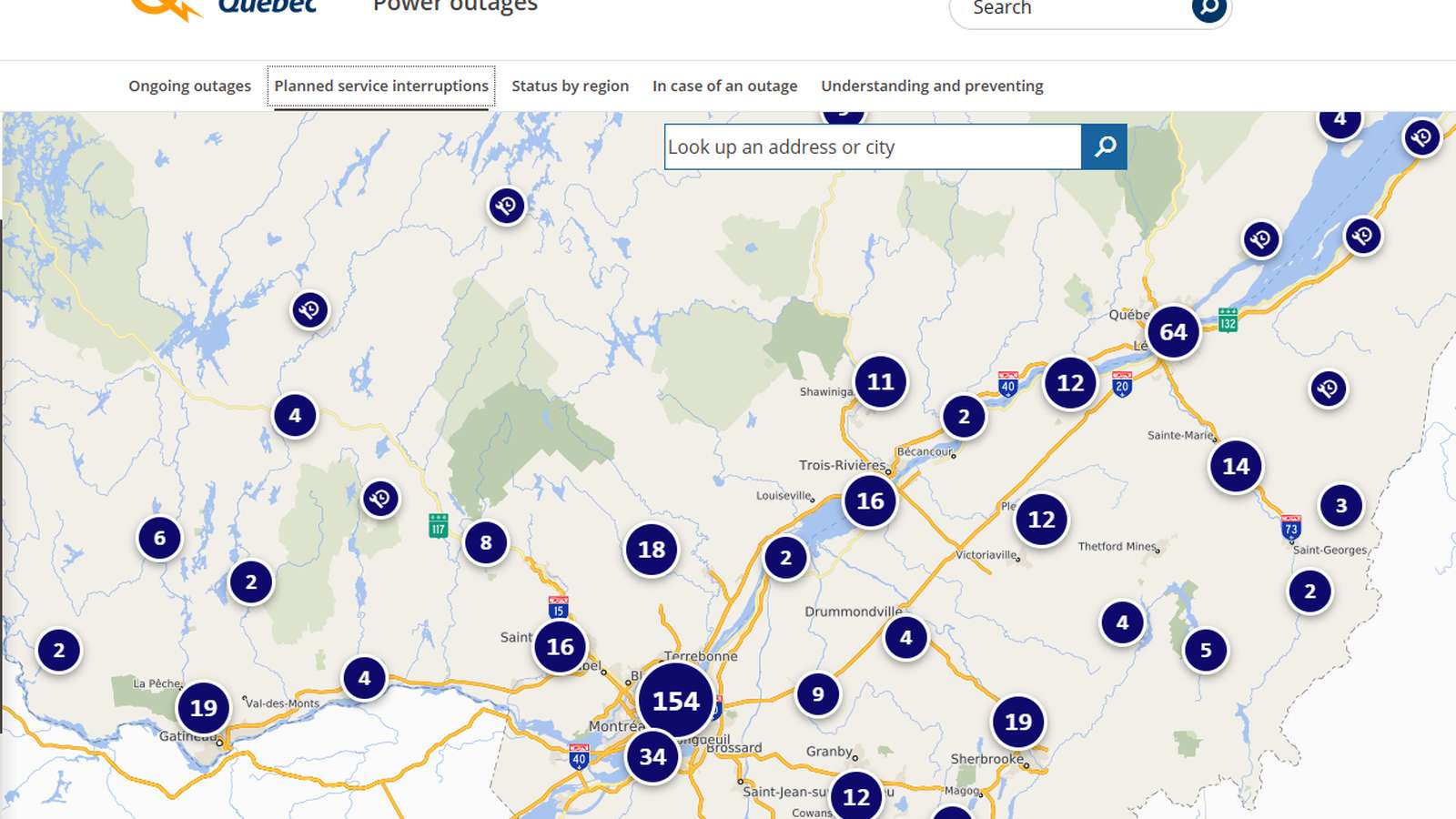
The power disruption began shortly after 10:30 a.m. on Saturday, impacting a broad swath of the city, including parts of Côte-St-Luc, N.D.G., and Montreal West. Hydro-Québec’s outage map confirmed approximately 15,000 affected addresses. Lynn St-Laurent, a spokesperson for the utility, informed The Gazette that the issue originated at the Hampstead substation. “We have teams working on this outage and doing their utmost to restore the services as quickly as possible,” St-Laurent stated, adding that clients would see power restored gradually. The utility’s website provided an estimated restoration time as late as 8 p.m. for some areas. Smaller, localized outages were also reported in Côte-des-Neiges and the East End of Montreal, further exacerbating concerns for residents facing the frigid conditions.
Extreme Weather Conditions Persist Across Quebec
The power failure coincided with a severe cold warning issued by Environment Canada for Montreal and surrounding regions. An Arctic air mass positioned Quebec and Ontario at the center of the globe’s coldest areas, with MétéoMédia reporting temperatures colder than parts of Antarctica, which is currently experiencing summer. On Saturday morning, temperatures in Montreal plummeted to around minus 25 C, with wind chill values making it feel closer to minus 35 C. Environment Canada has warned of an increased risk of frostbite under these conditions.
Adding to the weekend’s challenges, a significant snowfall is anticipated, beginning late Sunday and continuing into Monday midday. Forecasters predict 10 to 20 centimeters of light, powdery snow across Greater Montreal, which could lead to reduced visibility and complicated commutes due to blowing snow. The Ministry of Transport and Sustainable Mobility has advised drivers that abrasives, rather than standard road salt, will be used on roadways as salt becomes less effective in extreme cold. The ministry also cautioned about heightened risks of black ice, particularly on bridges and structures.
Public Safety and Energy Conservation Advisories
In response to the dual threat of extreme cold and power outages, authorities have issued several advisories. Residents without power are urged to seek warmth and check on vulnerable neighbors. Hydro-Québec encouraged all residents, even those with power, to conserve energy, especially during peak times. This includes lowering thermostats, avoiding charging electric vehicles if possible, and opting for smaller countertop kitchen appliances over larger ones like stoves or ovens.
For motorists, the Ministry of Transport recommends checking road and visibility conditions via Québec 511, ensuring vehicles are winter-ready with emergency kits, and fully clearing snow and ice before driving. On the road, drivers are advised to adjust speed, maintain greater distances between vehicles, use lights appropriately, and exercise caution around snow-removal vehicles due to large blind spots. These measures are crucial to mitigate risks associated with the hazardous driving conditions expected through the weekend and into the start of the work week.
The convergence of a major power outage with an extreme Arctic cold snap underscores the critical vulnerabilities of urban infrastructure when confronted with severe climate events, highlighting the immediate dangers posed to public safety and the need for robust emergency preparedness.