


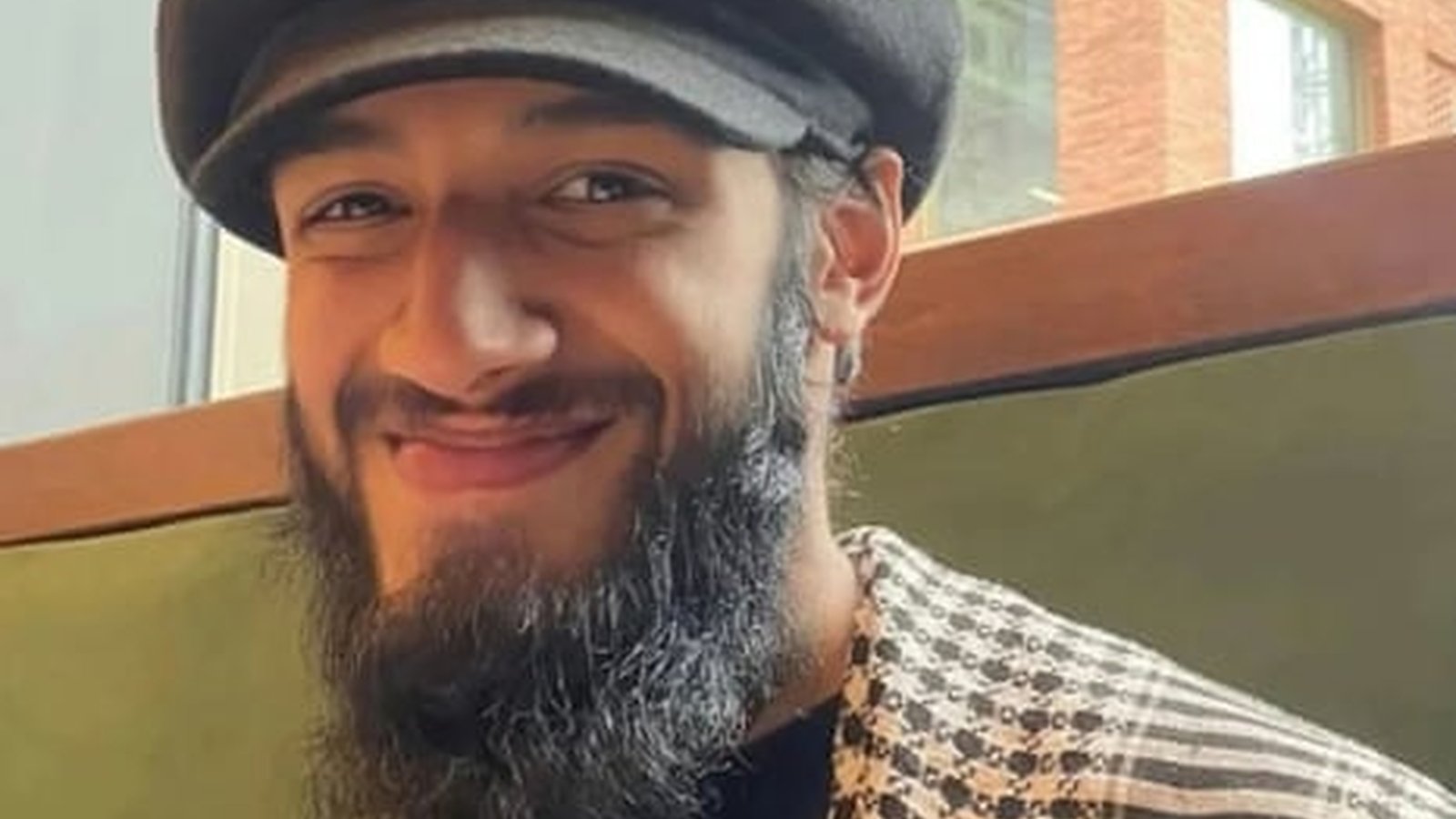
LONDON (Azat TV) – Umer Khalid, a 22-year-old Palestine Action activist held in a British prison without conviction, has escalated his hunger strike to a thirst strike, placing his life at imminent risk. This critical development comes after other pro-Palestinian detainees ended their own lengthy hunger strikes following the UK government’s decision to deny a major military contract to Israeli arms supplier Elbit Systems UK, a key demand of the activists.
Khalid, who suffers from Limb-Girdle Muscular Dystrophy, a rare genetic disorder that weakens muscles, resumed his hunger strike on January 10 and has now refused water for several days. Medical professionals, including Dr. Rupa Marya, have warned that individuals typically die from acute kidney failure within three to four days without fluid intake, with Khalid’s condition putting him at an even higher risk of death within hours or days, according to Prisoners for Palestine. Khalid has reportedly asked prison staff not to intervene if he loses consciousness.
Activist’s Condition Worsens Amid Thirst Strike
Umer Khalid’s decision to refuse water marks a grave turn in his protest against his detention and the UK’s ties to Israeli arms manufacturers. He is the last of several activists who began a hunger strike in November 2025. His action was briefly paused around Christmas due to illness, but he resumed it 13 days ago. The Guardian reported that Khalid and seven others had initially stopped eating in protest against charges related to alleged break-ins or criminal damage targeting Elbit Systems UK.
Dr. Rupa Marya, whose comments were provided by Prisoners for Palestine, emphasized the extreme danger Khalid faces. Marya, who has been suspended by the University of California, San Francisco, for her online comments criticizing Israel’s actions in Gaza, stated that Khalid’s underlying health condition significantly exacerbates the risks associated with a thirst strike. Prison authorities, according to the Independent.ie, maintain that prisoners are managed in line with longstanding policy, including regular medical checks and support to encourage eating and drinking.
Context of the Wider Hunger Strike
Khalid’s individual protest is part of a broader movement by pro-Palestinian activists in the UK. Twenty-four individuals, primarily linked to the collective Palestine Action, have been held without conviction following actions against Elbit Systems UK, a major Israeli arms supplier operating on British soil. Confronted with what they described as indefinite detention and systematic repression, several prisoners initiated a hunger strike in November.
Three other prominent hunger strikers – Heba Muraisi, Kamran Ahmed, and Lewie Chiaramello – ended their 73-day protest earlier in January. Their decision came after it was revealed that Elbit Systems UK had been denied a crucial £2 billion military contract with the Ministry of Defence, a key demand of the hunger strikers, as reported by Revolution Permanente. This contract, intended for training 60,000 British troops annually, was ultimately awarded to a rival consortium led by Raytheon UK, according to an internal Ministry of Defence source cited by The Times.
Unmet Demands and Shifting Arms Deals
While the denial of the Elbit contract was a significant partial victory for the activists, central political demands remain unmet. None of the prisoners, including Khalid, have been released on bail, despite the absence of any conviction and some having spent over a year in pre-trial detention. The proscription of Palestine Action has not been lifted, and the broader criminalisation of support for Palestine continues.
Beyond the contract denial, activists also cited other partial successes, such as the transfer of Heba Muraisi to a prison closer to her family and an easing of prison censorship, allowing some previously withheld mail and books on Gaza and feminism to be delivered. However, the replacement of Elbit Systems with Raytheon UK, a British subsidiary of the RTX group and one of the world’s largest arms manufacturers, has drawn criticism from activists. Prisoners for Palestine noted that Raytheon maintains close ties with the Israeli military apparatus, integrating Israeli technologies into global militarism, effectively replacing one controversial supplier with another deeply implicated in global conflicts.
Mobilisation and International Solidarity
The hunger strike has acted as a powerful catalyst for mobilization across the UK and internationally. Solidarity actions intensified, with regular demonstrations outside Parliament, courts, and prisons. The campaign also helped publicly expose the British military-industrial complex and its structural ties to the Israeli state, according to Revolution Permanente. Prisoners for Palestine reported a significant increase in pledges for direct action against the military-industrial complex, surpassing the total number of participants in Palestine Action’s five-year campaign.
The movement garnered international support, with hunger strikers joining in Italy and the United States, and solidarity rallies held in cities like Paris, Tel Aviv, and Prague. Notable international figures, including Lebanese revolutionary militant Georges Ibrahim Abdallah and former Irish republican prisoners like Tommy McKearney, expressed their support. Earlier this week, dozens of writers and academics, including Sally Rooney, Angela Davis, and Judith Butler, signed a public appeal demanding justice for the hunger strikers, highlighting the growing global concern.
Umer Khalid’s decision to continue his extreme protest, even as others have ended theirs, underscores the depth of commitment among some activists to their cause, despite the severe personal cost. The partial success of the hunger strike in influencing a major government contract demonstrates the potential impact of direct action, yet the broader landscape of UK-Israel military ties and the detention of activists remain contentious issues.