
Quick Read
- Federal agents raided a Hyundai battery factory in Georgia, detaining 475 workers, mostly South Koreans.
- The raid is part of President Trump’s intensified immigration crackdown, targeting visa violations.
- Critics argue the raid undermines U.S. economic goals, as the factory is key to Hyundai’s EV production.
The recent raid at a Hyundai battery factory in Georgia has reignited discussions surrounding immigration enforcement, labor practices, and foreign investment. On September 4, 2025, federal agents carried out the largest single-site immigration raid in U.S. history, detaining 475 workers, most of whom were South Korean nationals. The raid, part of President Donald Trump’s intensified immigration crackdown, has drawn both domestic and international attention, leading to debates over its implications for U.S. economic and immigration policies.
Details of the Hyundai Factory Raid
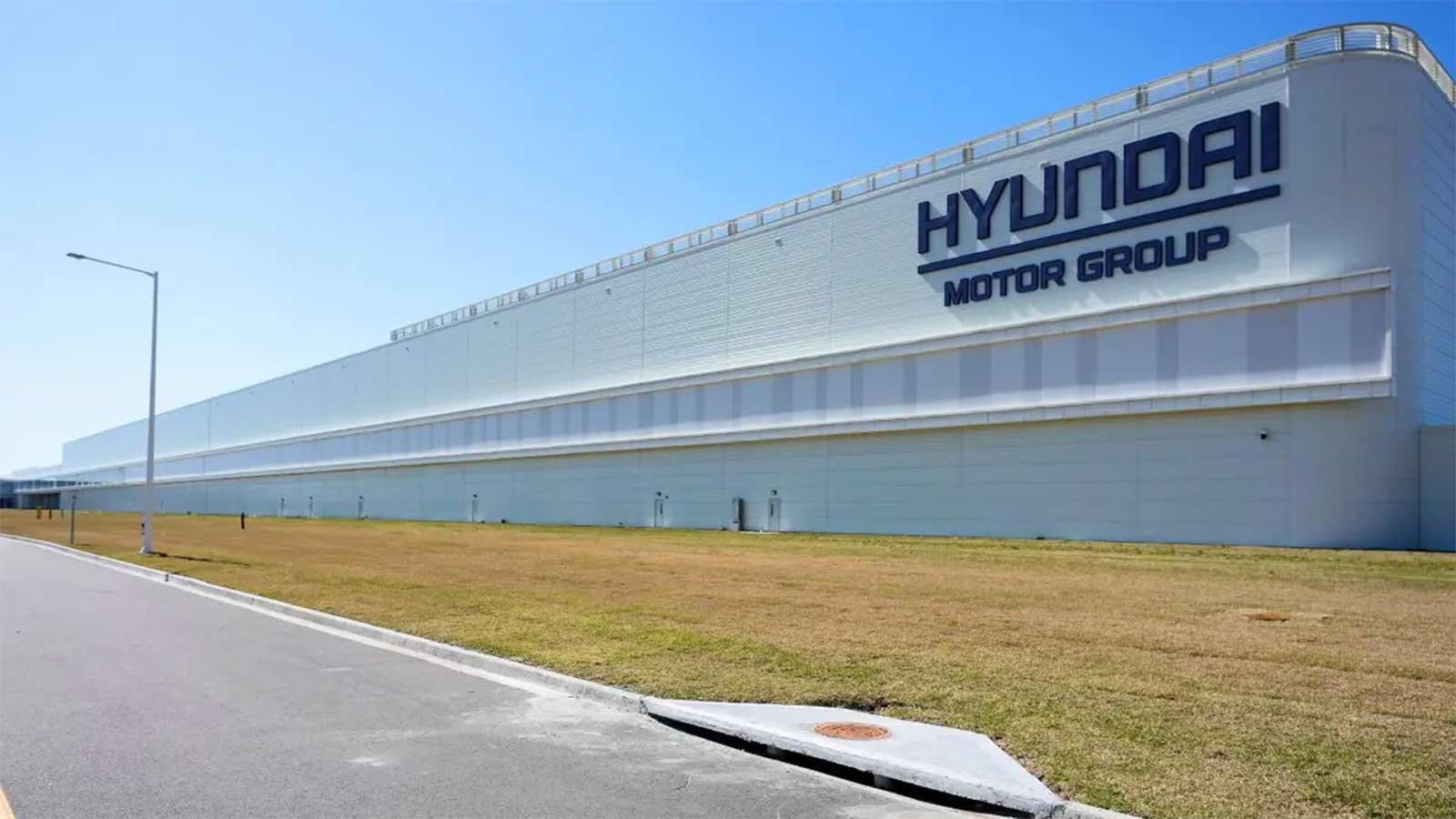
Federal agents from the Department of Homeland Security and Immigration and Customs Enforcement (ICE) targeted the HL-GA Battery Company project in Ellabell, Georgia, approximately 30 miles northwest of Savannah. The site is a major economic development project co-owned by Hyundai and LG Energy Solution, with an estimated investment of $7.6 billion. The factory is integral to Hyundai’s electric vehicle (EV) production in the U.S. and has received over $1.8 billion in state and local tax incentives.
The raid resulted in the detention of nearly 500 workers, predominantly South Korean nationals, who were reportedly working without proper authorization. Federal officials stated that the raid was part of a months-long investigation into employment practices at the site. However, no charges have been filed against Hyundai or its contractors so far, and the investigation is ongoing. According to USA Today, South Korean officials have coordinated with the U.S. State Department to repatriate approximately 300 of their citizens, who are expected to return home via charter flights.
Homeland Security Investigations (HSI) Special Agent in Charge Steven Schrank commented, “This operation sends a clear message that those who exploit the system and undermine our workforce will be held accountable.” However, the workers, rather than the employers, appear to be bearing the brunt of the enforcement action, sparking criticism from labor advocates and immigration experts.
Economic and Political Implications
The timing and scale of the raid have raised questions about its potential impact on U.S. economic priorities. Hyundai’s Georgia plant is a cornerstone of the Biden-era tax incentives aimed at boosting domestic EV production. The raid has disrupted the construction schedule, with analysts warning of delays in the facility’s planned 2025 opening. According to Bloomberg, South Korean officials have expressed “concern and regret” over the incident, which comes just weeks after South Korea pledged $350 billion in U.S. investments during a meeting with President Trump.
Critics argue that the raid undermines Trump’s goal of revitalizing American manufacturing. “The president cannot be the jobs president and the deportation president at the same time,” noted a report from Milwaukee Independent. The operation has also cast a shadow over Georgia’s reputation as a business-friendly state, with state leaders largely remaining silent on the matter. Suzanne Potts, a local political organizer, warned that the raid could deter future foreign investment: “This is a direct threat to the economic future of Georgia and may make developers second-guess investing in the region.”
State legislators have also weighed in. Jesse Petrea, a Republican lawmaker representing Bryan County, emphasized the importance of adhering to immigration laws, stating, “We’ve put a huge sum of tax incentives into this project, so there is no excuse for anyone illegally in this country to be working on that job site.” Meanwhile, Corey Foreman, a local Democratic leader, highlighted the systemic issues in the U.S. immigration process, advocating for reforms to address labor shortages and expedite legal work permits.
Broader Context: Immigration Enforcement and Workforce Challenges
The Hyundai raid is part of a broader shift in U.S. immigration enforcement under the Trump administration. While previous administrations focused primarily on detaining undocumented workers, the current approach also targets employers. Since January, federal officials have conducted raids across various industries, from car washes in California to meatpacking plants in Nebraska. However, prosecutions of employers remain rare; fewer than 200 cases have been pursued over the past decade, according to researcher Brian Owsley of the University of North Texas-Dallas College of Law.
Critics argue that the enforcement measures disproportionately affect workers while allowing employers to evade accountability. The federal E-Verify system, designed to help employers verify work authorization, has been criticized for its limitations, including vulnerabilities to fraudulent documentation. According to Reuters, less than half of U.S. states mandate the use of E-Verify for private employers, further complicating compliance efforts.
Manufacturing experts also point to the unique skills required for projects like Hyundai’s EV plant. Many foreign workers possess specialized expertise that is scarce in the U.S. labor market, making their contributions essential for meeting production targets. “The U.S. workforce lacks some of the technical expertise that South Korean workers bring,” noted a report from Savannah Now.
The Road Ahead: Balancing Enforcement with Economic Goals
The Hyundai raid highlights the complex interplay between immigration enforcement, labor needs, and economic development. While the Trump administration has framed its actions as necessary to uphold the rule of law, critics argue that the approach risks alienating key international partners and undermining economic progress. The South Korean government has already begun re-evaluating its U.S. investments, and other foreign firms may follow suit.
Moving forward, policymakers face the challenge of balancing enforcement with the need to attract and retain foreign investment. As President Trump stated in a social media post following the raid, “Your investments are welcome, and we encourage you to LEGALLY bring your very smart people, with great technical talent, to build world-class products.” However, the Hyundai case serves as a cautionary tale of the potential consequences when enforcement actions collide with economic priorities.
The Hyundai factory raid underscores the need for a comprehensive approach to immigration and labor policies, one that supports economic growth while ensuring compliance with the law. As the investigation continues, its outcomes will likely shape the future of U.S. manufacturing and foreign investment.