
Quick Read
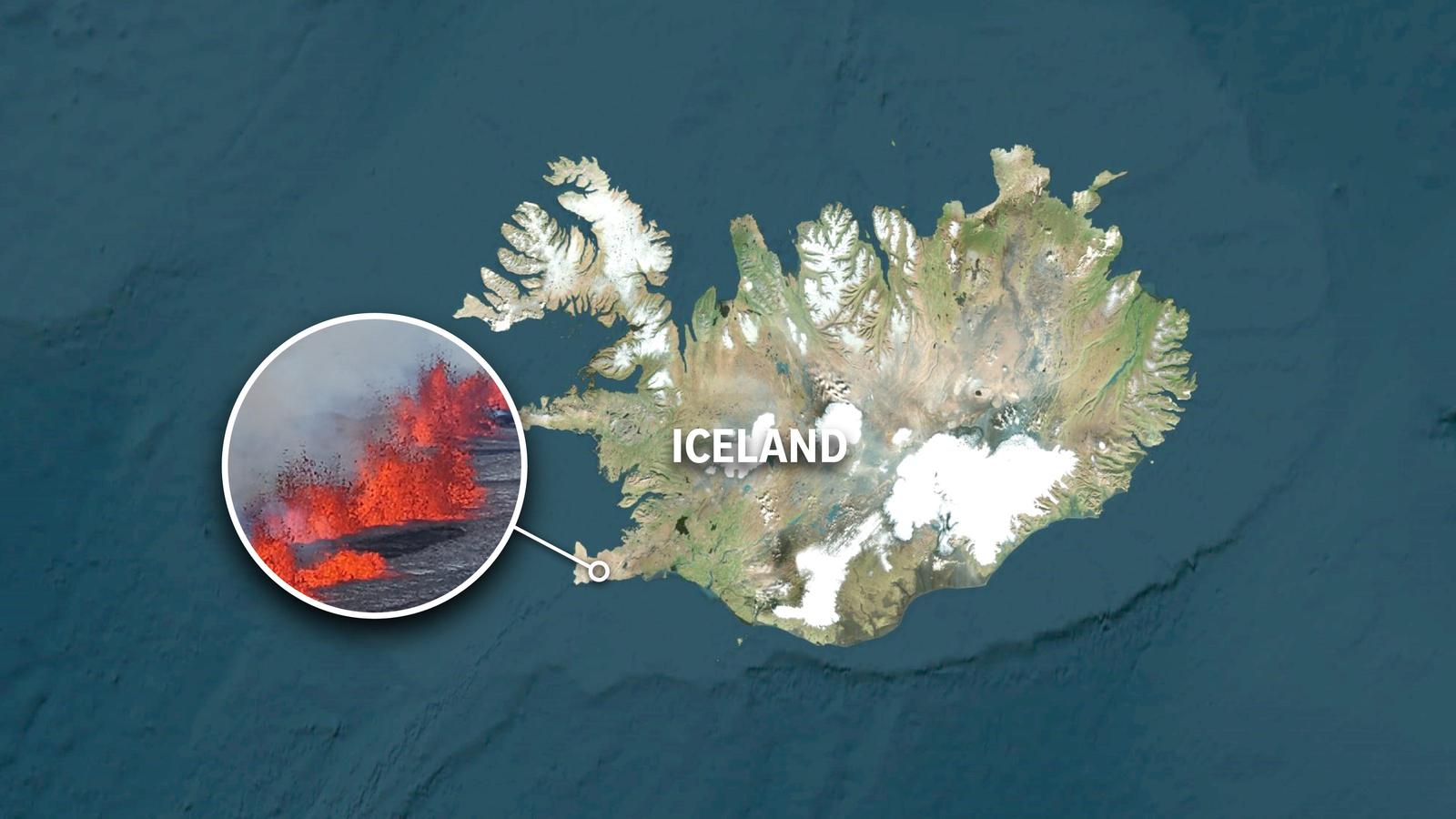
- A new eruption began on Iceland’s Reykjanes Peninsula on July 16, 2025.
- Evacuations were ordered for Grindavík and the Blue Lagoon spa.
- The eruption is part of a larger volcanic cycle that began in 2021.
- Authorities warn of harmful gas emissions and ‘witch’s hair’ glass fibers.
- Flights remain unaffected despite the eruption.
A dramatic volcanic eruption on the Reykjanes Peninsula in Iceland has once again drawn global attention, as lava bursts from new fissures and hazardous gas clouds spread across the region. The Icelandic Meteorological Office (IMO) confirmed that the eruption began early on the morning of July 16, 2025, following a series of intense seismic activities. This marks the ninth eruption in the area since late 2023 and the twelfth since the Reykjanes Peninsula reawakened in 2021 after 800 years of dormancy.
Evacuations and Immediate Impact
The eruption, originating near the Sundhnúkur crater row, prompted swift evacuation measures in the town of Grindavík and the iconic Blue Lagoon geothermal spa. According to Newsweek, over 100 residents and tourists were evacuated within 90 minutes of the eruption’s onset. Local authorities acted decisively to ensure public safety, clearing nearby campsites and other attractions. While the lava flow is currently confined to uninhabited areas, the situation remains under close observation.
The Icelandic Meteorological Office has issued warnings about hazardous volcanic gases and “witch’s hair,” fine glass fibers that form when lava cools rapidly. These fibers can travel long distances and pose risks to skin and eyes. Residents in affected areas, particularly in Reykjanesbær, have been advised to stay indoors, close windows, and turn off ventilation systems to minimize exposure to harmful gas emissions.
Geological Context and Volcanic Activity
The Reykjanes Peninsula has been experiencing heightened volcanic activity since 2021, marking the beginning of a new geological era for the region. As USA Today reports, the latest eruption is part of a larger volcanic cycle that scientists believe will continue for years, if not decades. The Sundhnúksgígar fissure, which opened during this event, stretches approximately 2.4 kilometers, with a smaller fissure measuring 500 meters located nearby.
Seismic activity, a precursor to the eruption, had been intensifying in the days leading up to July 16. Despite the dramatic nature of the event, the Icelandic Meteorological Office reassured the public that the eruption is relatively minor compared to explosive events like the 2010 Eyjafjallajökull eruption, which disrupted global air travel. Lava output has been decreasing in intensity, and seismic tremors have significantly subsided, according to data from local monitoring stations.
Environmental and Health Concerns
The eruption has also raised concerns about environmental and health impacts. Sulfur dioxide emissions have been measured at high levels, with a significant gas cloud drifting towards Keflavík International Airport. While air travel remains unaffected, authorities are closely monitoring wind patterns and air quality. Short-term exposure to sulfur dioxide can cause respiratory issues, and residents are urged to seek medical attention if symptoms arise.
Meanwhile, the spread of “witch’s hair” poses additional risks. The Icelandic Meteorological Office has emphasized the need for caution, especially for those living or traveling near the eruption site. The glass-like fibers can irritate the skin and eyes, making protective measures essential for safety.
Global Perspective and Historical Context
Iceland’s unique geological position on the Mid-Atlantic Ridge, where the North American and Eurasian tectonic plates diverge, makes it one of the most volcanically active regions in the world. The country is home to over 130 volcanic mountains, many of which are still active. This latest eruption highlights the challenges and opportunities that come with living in such a dynamic landscape.
The 2010 Eyjafjallajökull eruption remains a stark reminder of the global impact of Iceland’s volcanism. That event disrupted international air travel on an unprecedented scale, grounding over 100,000 flights and affecting millions of passengers. While the current eruption on the Reykjanes Peninsula is not expected to have a similar impact, it underscores the importance of ongoing monitoring and preparedness.
Looking Ahead
As Iceland enters what experts describe as a new volcanic cycle, the need for robust monitoring systems and public awareness is more critical than ever. The Icelandic Meteorological Office, along with global research institutions, continues to study the region’s volcanic behavior to better understand and predict future events. For now, the focus remains on ensuring the safety of residents and minimizing the environmental impact of the ongoing eruption.
Iceland’s volcanic saga continues to capture the world’s imagination, serving as a reminder of the planet’s raw and unpredictable power.