


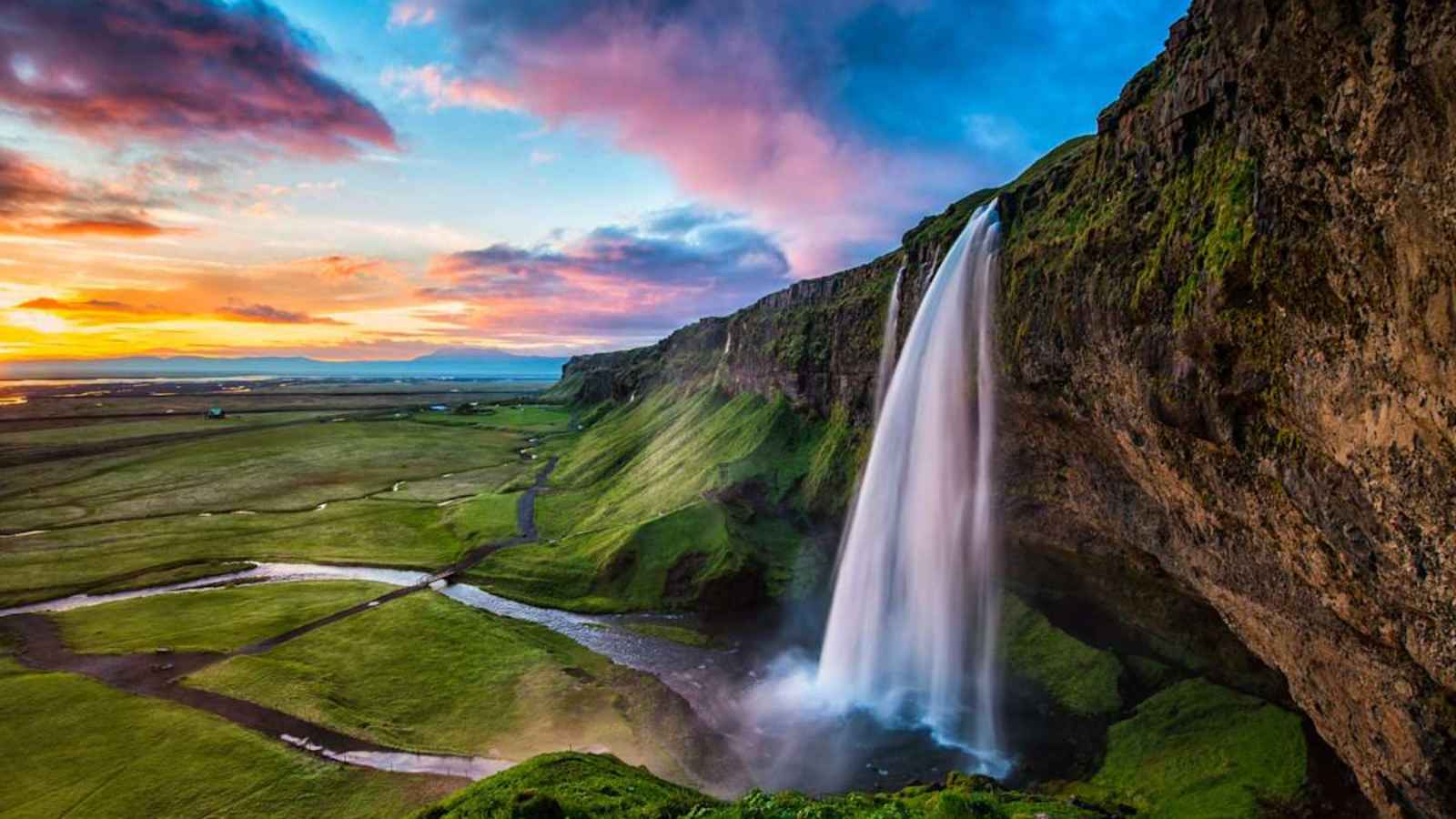
REYKJAVIK (Azat TV) – Iceland, a Nordic island nation, continues to captivate global interest with its distinctive natural features and cultural landscape, remaining a significant draw for tourism and lifestyle considerations. Celebrated for its unique environment and societal characteristics, the country stands out on the world stage, attracting visitors eager to experience its unparalleled offerings.
Iceland’s Unique Landscape and Cultural Identity
Iceland is renowned for its dramatic and unique natural environment, marked by an active volcanic landscape. This geological dynamism shapes much of the island’s scenery, from geysers and hot springs to lava fields and glaciers, creating a powerful allure for adventurers and nature enthusiasts. Beyond its geology, the nation’s capital, Reykjavik, sets a global example by running entirely on renewable energy, demonstrating a profound commitment to environmental sustainability.
The island’s distinct characteristics extend to its climate and biodiversity. Notably, Iceland is entirely free of mosquitoes, a rare phenomenon attributed to its cold climate and specific ecological conditions. This absence of pests contributes to a more comfortable outdoor experience for residents and tourists alike, enhancing the appeal of its vast, open landscapes.
Safety and Lifestyle in the Nordic Nation
Iceland consistently ranks as one of the world’s safest countries, boasting exceptionally low crime rates and a high degree of peace. This reputation for security significantly contributes to its attractiveness as a travel destination and a place to live. The nation’s infrastructure also presents unique aspects; for instance, railways do not exist, with travel predominantly relying on cars, buses, and planes.
Despite its unique appeal, Icelandic workers statistically delay retirement longer than their counterparts in many other European countries. This insight, noted in a recent discussion on lifestyle and career breaks, suggests a distinct approach to work-life balance within the nation, contrasting with global trends like ‘mini-retirements.’ The national sport, handball, also highlights a unique cultural preference, diverging from the more globally popular football.
Tourism’s Enduring Impact in Iceland
The combination of Iceland’s stunning volcanic landscapes, its commitment to renewable energy, its status as one of the safest countries globally, and its unique cultural nuances forms a powerful magnet for international visitors. These distinctive charms are not merely points of interest; they are fundamental pillars supporting Iceland’s vital tourism industry. The continued influx of tourists is a testament to the nation’s ability to offer experiences that are both extraordinary and deeply rooted in its natural and societal fabric.
Iceland’s sustained appeal underscores the economic significance of its unique identity, demonstrating how environmental stewardship and societal stability can converge to create a compelling and enduring global attraction.