
Quick Read
- Israeli forces launched airstrikes on Syrian military positions in Suwayda province amid escalating clashes.
- The violence stems from sectarian conflicts between Druze militias and Sunni Bedouin tribes.
- Israel declared a demilitarized zone in southern Syria and vowed to protect Druze populations.
- Syrian government condemned the strikes and declared a ceasefire with Druze leaders.
- Tensions complicate efforts to normalize relations between Israel and Syria.
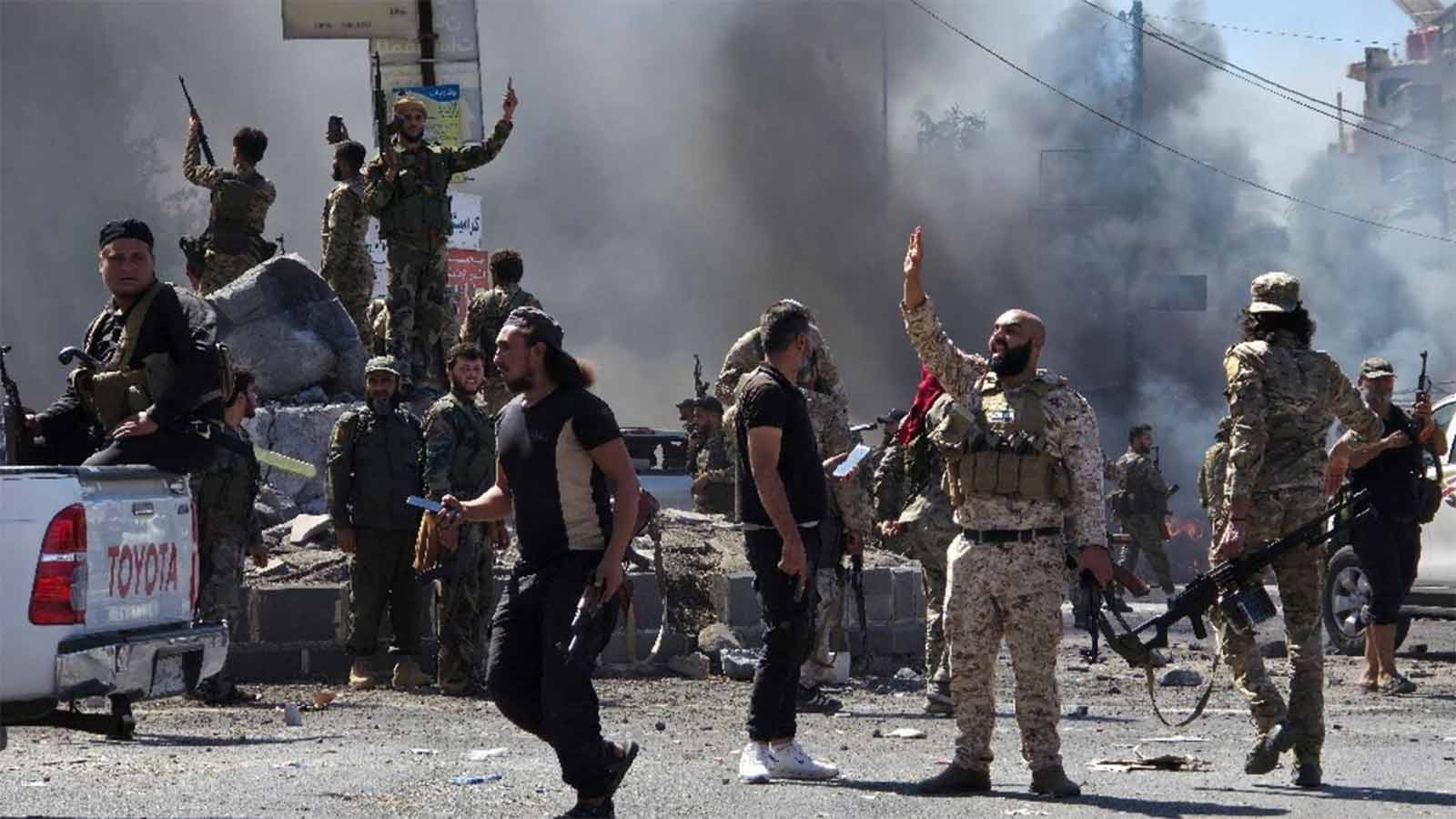
In a dramatic escalation of tensions, the Israel Defense Forces (IDF) launched targeted airstrikes on Syrian military positions in the southern Suwayda province on Tuesday, July 15, 2025. The strikes were prompted by the Syrian government’s military intervention in the Druze-majority region, which has seen escalating violence in recent days.
Background to the Escalation
Clashes erupted over the weekend between Druze militias and Sunni Bedouin tribes in Suwayda, leaving 30 dead and dozens injured, according to CNN. The violence intensified as Syrian government forces, supported by Islamist factions loyal to President Ahmed al-Sharaa, moved into the region. Reports indicate that at least 99 people have died in the last three days of fighting. This marks one of the most severe episodes of sectarian violence in the region since the fall of Bashar al-Assad’s regime in December 2024.
The Druze, a religious minority with a population of about one million across Syria, Lebanon, and Israel, have long faced threats from extremist groups. During Syria’s decade-long civil war, the Druze in Suwayda were caught between the Assad regime and Islamist militants. Although President al-Sharaa pledged inclusivity upon taking office, his government has struggled to gain the trust of the Druze community, which insists on maintaining its independent militias. Tensions have been further exacerbated by the exclusion of Druze leaders from key national dialogues.
Israel’s Response and Strategic Interests
Israel, which shares deep cultural and familial ties with the Druze community, has taken a firm stance on protecting Druze populations in Syria. Prime Minister Benjamin Netanyahu emphasized the country’s commitment to safeguarding the Druze in a statement on Tuesday, calling the group “our brothers.” Approximately 130,000 Druze live in Israel, with many serving in the Israeli military and security forces, a unique distinction among Israel’s minority communities.
According to Ynet News, Israel has unilaterally declared a demilitarized zone in southern Syria, warning against the deployment of Syrian forces or weapons in the area. Israeli airstrikes this week targeted Syrian military assets near Suwayda, reportedly resulting in significant casualties among Syrian troops and allied Islamist fighters. These strikes underscore Israel’s broader security concerns, including preventing the consolidation of extremist factions along its borders and limiting Iranian influence in Syria.
Syrian Government’s Reaction
Syria’s Defense Minister Murhaf Abu Qusra declared a ceasefire on Tuesday afternoon, claiming an agreement had been reached with Druze leaders. However, the situation remains precarious. Reports from Haaretz indicate that the Syrian government has condemned Israel’s actions as violations of its sovereignty and has vowed to defend its territory. This comes amid widespread criticism from the international community, which has called on Israel to halt its military operations in Syria.
President al-Sharaa’s administration has faced significant challenges in consolidating power and integrating armed factions into a unified military. The Druze militias’ refusal to disarm has been a major sticking point, as the community fears losing autonomy and becoming vulnerable to attacks. The presence of Islamist factions within al-Sharaa’s coalition has further strained relations, with Druze leaders accusing the government of enabling sectarian violence.
Cross-Border Impact and Regional Implications
The violence in Suwayda has reverberated across the Israeli border. Dozens of Israeli Druze crossed into Syria on Tuesday near the Majdal Shams area, expressing solidarity with their besieged brethren. Protests also erupted in northern Israel, with demonstrators blocking major highways and calling for increased government action to protect the Druze in Syria.
Meanwhile, tensions between Israel and Syria continue to complicate efforts at normalization. Despite attempts by the United States to broker peace agreements in the region, Israel’s military actions have strained its relationship with the new Syrian government. According to CNN, Israeli officials remain skeptical of al-Sharaa’s intentions, citing his Islamist background and alliances with Turkey and Qatar as potential threats to regional stability.
Looking Ahead
The unfolding crisis in Suwayda underscores the fragile nature of Syria’s post-Assad transition and the persistent challenges facing minority communities in the region. As Israel continues its strikes, the international community is watching closely, with many urging restraint to prevent further escalation.
With the situation in Suwayda still volatile, the path forward remains uncertain. Both Syria and Israel face mounting pressure to de-escalate tensions and prioritize humanitarian concerns, as the Druze community struggles to survive amid the chaos.