
Quick Read
- A flash flood in Uttarakhand, India, left over 100 people missing and caused massive destruction.
- Triggered by a cloudburst, the disaster swept through the village of Dharali in Uttarkashi district.
- Rescue operations involving the Indian Army and disaster response teams are underway.
- Experts link the increasing frequency of such events to climate change and unplanned development.
- Prime Minister Modi and local authorities have pledged full support for relief efforts.
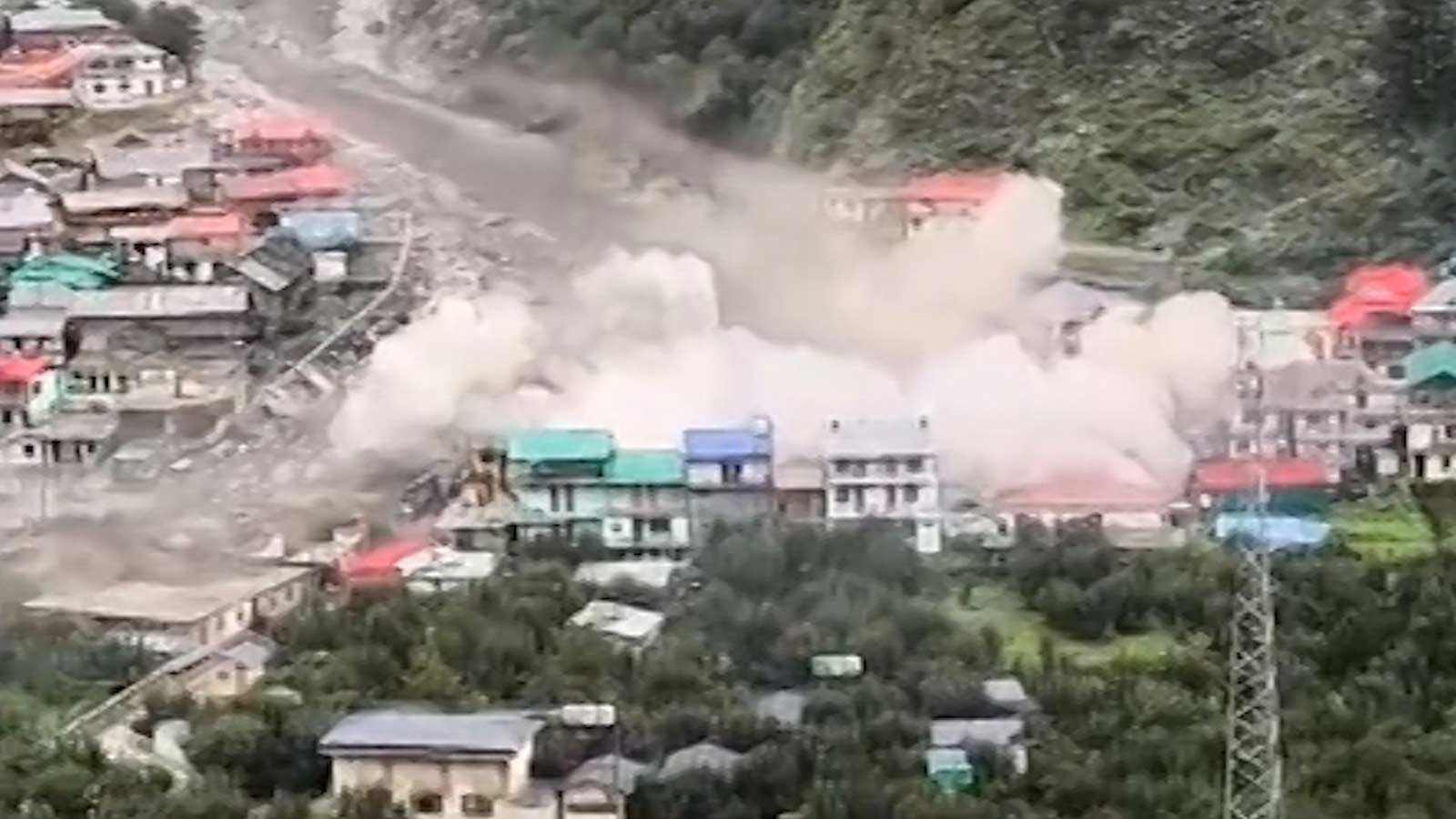
A flash flood triggered by a devastating cloudburst in the northern Indian state of Uttarakhand has left over 100 people missing and caused widespread destruction, according to local authorities. The disaster struck on Tuesday, August 5, in the remote village of Dharali, located in the Uttarkashi district, a region already prone to severe weather events during the monsoon season.
Flash Flood Ravages Uttarakashi District
The flash flood, which swept through the Himalayan foothills, resulted in at least four confirmed fatalities and the destruction of homes, businesses, and critical infrastructure. Dramatic footage aired by local media depicted violent torrents of water cascading down the mountainside, obliterating everything in their path. Eyewitnesses described the disaster as unprecedented, with one local resident telling India Today, “Everything from hotels to markets has been destroyed. I haven’t witnessed a disaster like this before.”
According to Prashant Arya, the district magistrate of Uttarkashi, the floodwaters washed away a dozen hotels and several shops, leaving the once-thriving village of Dharali in ruins. “We are still assessing the losses, but initial reports indicate severe property damage,” Arya said. The Indian Army, State Disaster Response Force (SDRF), and National Disaster Response Force (NDRF) are actively involved in search and rescue operations. However, accessing the remote and rugged terrain has proven to be a significant challenge.
Causes and Warnings
The calamity was triggered by a cloudburst, a sudden, intense downpour over a small area. Such events are becoming increasingly common in Uttarakhand, a region prone to landslides and flash floods due to its mountainous geography and heavy monsoon rains. Experts have linked the rise in these extreme weather events to climate change and unplanned development in vulnerable areas.
The Uttarakhand police issued warnings via social media, urging residents to stay away from rivers as water levels continued to rise in the Harshil area. The cloudburst also triggered a landslide that severed connectivity to the Gangotri pilgrimage site, further complicating rescue efforts. Uttarakhand Chief Minister Pushkar Singh Dhami expressed his condolences to the affected families and emphasized the government’s commitment to relief operations. “We are doing everything possible to save lives and provide relief,” he stated.
National and International Attention
Prime Minister Narendra Modi addressed the nation, expressing his sorrow over the tragedy and pledging full support for rescue and relief efforts. “I pray for the well-being of all the victims,” he said. “No stone is being left unturned in providing assistance to the people.” Federal Minister Sanjay Seth also highlighted the severity of the situation, confirming reports of over 100 missing individuals and four fatalities. He noted that helicopters had been requested from the federal government to assist in the operations.
The incident has drawn attention to the broader issue of climate-induced disasters in the Himalayan region. A 2023 report by the International Centre for Integrated Mountain Development revealed that glaciers in the Hindu Kush and Himalayan ranges are melting at unprecedented rates, increasing the risk of glacial lake outbursts and downstream flooding. The report identified over 200 glacial lakes in the region as being at risk of overflow.
Historical Context and Future Risks
Uttarakhand has a history of catastrophic weather events. In 2013, a similar cloudburst and ensuing floods claimed more than 6,000 lives and affected 4,500 villages. Experts argue that the frequency and intensity of such disasters have risen due to climate change and unchecked urbanization in fragile mountain ecosystems.
According to data from the Emergency Events Database maintained by the University of Louvain in Belgium, Asia experienced 167 natural disasters in 2024 alone, the highest of any continent. These included storms, floods, and heatwaves, resulting in economic losses exceeding £24 billion. The Uttarakashi flash flood is a grim reminder of the urgent need for sustainable development and climate resilience in vulnerable regions.
As rescue operations continue, the tragedy in Dharali underscores the devastating impact of climate change and the pressing need for global and local action to mitigate its effects.