
Quick Read
- India and Pakistan’s recent ceasefire remains fragile after intense cross-border missile strikes.
- India’s Operation Sindhoor targeted militant bases but left strategic outcomes unclear.
- Nationalist sentiments in both countries complicate peace efforts, with mistrust persisting.
- US-mediated ceasefire has reignited global attention on the Kashmir dispute.
- Experts fear renewed conflict is likely, given the lack of dialogue and rising rhetoric.
Fragile Ceasefire Amid Rising Tensions
The uneasy ceasefire between India and Pakistan, brokered after days of intense missile strikes and drone attacks, remains intact but precarious. The conflict, which saw both nations deploy advanced military technology, underscored the volatile nature of their long-standing rivalry. While both countries claim tactical victories, analysts warn that the underlying issues fueling the conflict remain unresolved, making a return to hostilities seem inevitable.
Operation Sindhoor: Strategic Gains or Missed Opportunities?
India launched Operation Sindhoor with the stated aim of dismantling militant networks in Pakistan. The operation targeted nine sites, including key locations in Pakistan’s Punjab region, marking the most aggressive military action since the 1971 war. Indian officials touted the strikes as a response to a deadly terror attack in Kashmir, which claimed 26 lives. However, while some militant bases were destroyed, experts argue that the operation fell short of achieving its strategic objectives.
Chietigj Bajpaee, a South Asia expert at Chatham House, noted that the strikes did little to deter future attacks. “India’s actions, though tactically sound, have not fundamentally altered the dynamics of militancy in the region,” he remarked. Pakistan, meanwhile, framed the strikes as an “act of war,” further escalating tensions.
Nationalist Rhetoric Fuels Public Sentiment
In both countries, nationalist rhetoric has intensified, complicating efforts for diplomatic engagement. Indian Prime Minister Narendra Modi, addressing his political base, described the ceasefire as a temporary pause, insisting that the offensive against Pakistani terror groups would continue. On the other side, Pakistan’s military has regained public favor, leveraging the conflict to bolster its image as the nation’s protector.
This hyper-nationalism has left little room for dialogue. As Bajpaee observed, “Both sides are essentially talking past each other, making any credible peace process unlikely.”
US Mediation and Global Implications
The ceasefire was unexpectedly announced by former US President Donald Trump, a move that sparked outrage in India. Many Indians viewed the US intervention as a betrayal, especially given its perceived alignment with Pakistan on key issues. Trump’s suggestion to mediate the Kashmir dispute—a long-standing point of contention between the two nations—was met with silence in New Delhi and enthusiasm in Islamabad.
India has historically opposed third-party involvement in the Kashmir issue, framing it as a domestic matter. However, the renewed international focus on the region has complicated India’s narrative. Political strategist Brahma Chellaney criticized Trump’s actions, stating, “This plays directly into Pakistan’s hands, undermining India’s position.”
Historical Context of the Kashmir Conflict
The roots of the India-Pakistan conflict lie in the partition of British India in 1947, which created the disputed region of Kashmir. The area has been a flashpoint for multiple wars and countless skirmishes. Despite international calls for resolution, both nations have maintained rigid stances, with India revoking Jammu and Kashmir’s special status in 2019, further straining relations.
The latest ceasefire, while a temporary reprieve, does little to address these deep-seated issues. Observers argue that without addressing the core disputes, particularly over Kashmir, peace will remain elusive.
Future Prospects: Peace or Escalation?
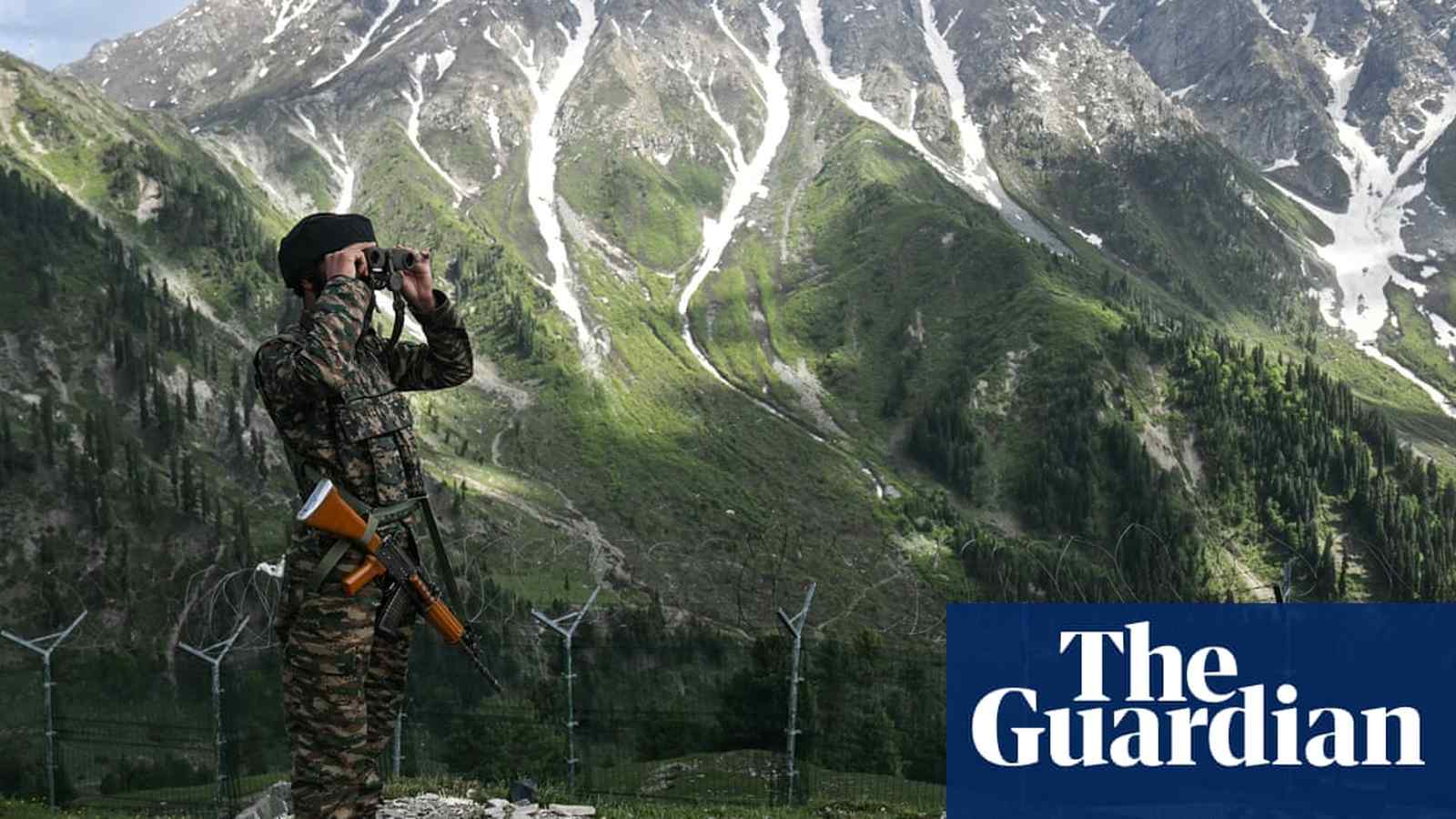
As the ceasefire holds, questions linger about its longevity. With both nations maintaining a military presence along the Line of Control, the potential for renewed conflict looms large. Analysts point to the lack of trust and dialogue as key barriers to lasting peace.
Samir Puri, also from Chatham House, highlighted the broader geopolitical context, noting that global norms against war are weakening. “The international community’s inability to effectively mediate conflicts has emboldened hawkish planners worldwide,” he said, drawing parallels to other global conflicts.
While some hope for backchannel negotiations, particularly through Gulf states or the UK, there is little evidence that either side is willing to compromise. The suspension of the Indus River treaty by India and the ongoing visa restrictions further complicate relations.
The fragile peace between India and Pakistan underscores the complexity of their decades-long rivalry. Without addressing the root causes of conflict, particularly over Kashmir, the risk of renewed hostilities remains high, leaving the region in a state of perpetual uncertainty.
Source: Theguardian