
Quick Read
- Iran and Israel’s rivalry dates back to the 1979 Iranian Revolution.
- Recent escalations include military strikes and retaliatory attacks.
- Diplomatic efforts remain stalled due to deep mistrust and complex alliances.
- The conflict impacts regional stability and global geopolitics.
- Resolving the conflict requires international mediation and regional cooperation.
The tensions between Iran and Israel represent one of the most enduring and volatile conflicts in the Middle East. Rooted in ideological, political, and strategic rivalries, these two nations have remained adversaries for decades, with their animosity shaping regional dynamics and global diplomacy. From military confrontations to diplomatic overtures, the complex relationship between Iran and Israel continues to evolve, reflecting broader geopolitical shifts and challenges in the region.
Historical Background and Root Causes
The roots of the Iran-Israel conflict date back to the 1979 Iranian Revolution, which marked the rise of the Islamic Republic under Ayatollah Khomeini. Prior to this, Iran had maintained relatively cordial relations with Israel under the Shah’s regime. However, the revolution brought a dramatic shift in Iran’s foreign policy, framing Israel as a symbol of Western imperialism and a primary adversary in the region. This ideological stance was reinforced by Iran’s support for Palestinian resistance movements and its opposition to Israel’s policies in the occupied territories.
Over the years, the conflict has been exacerbated by Iran’s backing of groups like Hezbollah in Lebanon and Hamas in Gaza, both of which have engaged in armed confrontations with Israel. Israel, for its part, has viewed Iran’s growing influence in the region as an existential threat, particularly in light of Iran’s nuclear ambitions and its calls for the destruction of the Israeli state. These factors have created a deeply entrenched hostility between the two nations, with little room for reconciliation.
Recent Military Escalations
Military confrontations between Iran and Israel have intensified in recent years, with both nations engaging in direct and indirect clashes. In one instance, Israel launched preemptive strikes on Iranian nuclear facilities, crippling key sites and sparking international concern. These strikes were part of Israel’s broader strategy to prevent Iran from acquiring nuclear weapons, a goal that has been a cornerstone of its national security policy.
In response, Iran has demonstrated its capability to retaliate through ballistic missile strikes and drone attacks, though these have been largely intercepted by Israel’s advanced defense systems. The conflict has also extended to proxy wars in Lebanon and Syria, where Iranian-backed militias and Israeli forces have frequently clashed. These skirmishes have not only heightened tensions but have also drawn in other regional and international players, complicating efforts to de-escalate the situation.
Diplomatic Efforts and Challenges
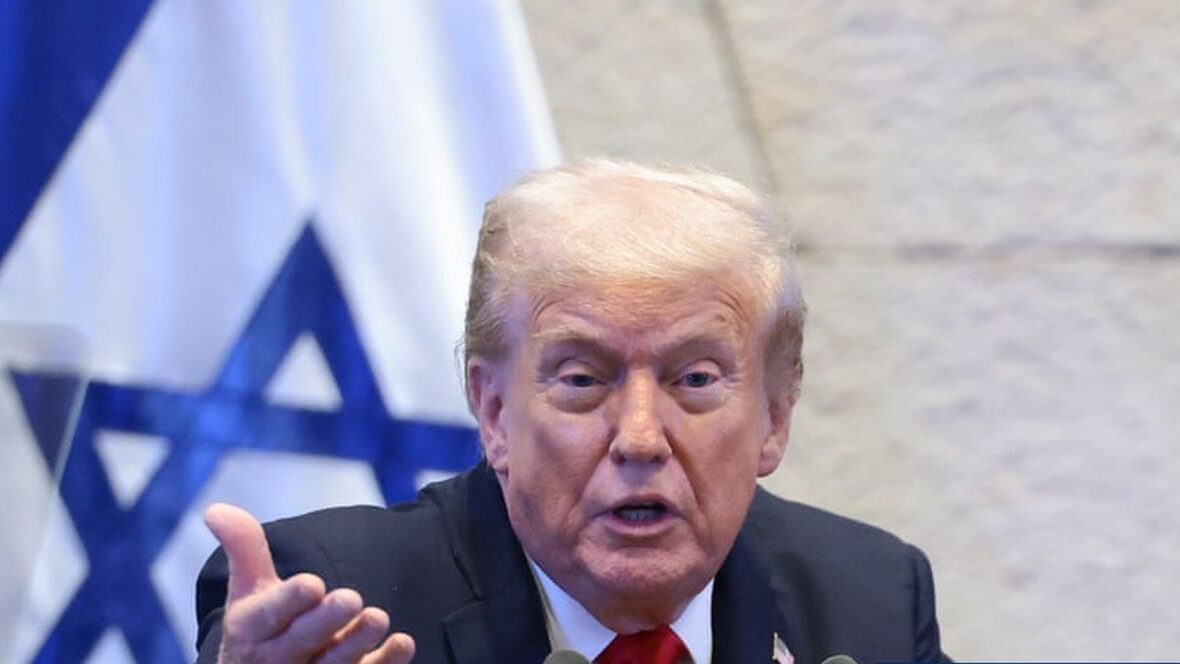
Despite the ongoing hostilities, there have been intermittent attempts to engage in diplomacy. $1 Donald Trump made a notable effort to broker peace between Iran and Israel, proposing a comprehensive deal that included the recognition of Israel’s right to exist and an end to Iran’s support for militant groups. However, these overtures were met with skepticism and resistance from both sides. Iran, still reeling from U.S. sanctions and military strikes, dismissed the proposals as insincere, while Israeli leaders doubted Iran’s willingness to change its policies.
The diplomatic stalemate has been further complicated by the involvement of other nations, including the United States, Russia, and European powers, each pursuing their own interests in the region. The lack of trust and mutual concessions has made it difficult to achieve meaningful progress, leaving the conflict unresolved and prone to further escalation.
Impact on Regional Stability
The Iran-Israel conflict has far-reaching implications for the Middle East, influencing everything from regional alliances to economic stability. The hostilities have disrupted trade routes, exacerbated humanitarian crises, and fueled sectarian divides. Neighboring countries like Lebanon and Syria have borne the brunt of the violence, with civilian populations suffering from displacement and destruction.
Moreover, the conflict has strained relations between global powers, as they navigate the delicate balance of supporting their allies while avoiding a full-scale war. The persistent instability has also hindered efforts to address other pressing issues in the region, such as poverty, education, and environmental challenges, diverting resources and attention away from long-term development goals.
The Path Forward
Finding a resolution to the Iran-Israel conflict remains a formidable challenge, requiring a multifaceted approach that addresses the underlying causes of the animosity. Confidence-building measures, such as easing sanctions and fostering dialogue, could pave the way for more substantive negotiations. Regional cooperation and international mediation will also be essential in creating a framework for peace and security.
While the road to reconciliation is fraught with obstacles, the stakes are too high to ignore. The Iran-Israel conflict is not just a bilateral issue but a linchpin in the broader quest for stability in the Middle East. Addressing this conflict with urgency and commitment is essential for the well-being of the region and the world at large.
The Iran-Israel conflict underscores the complexities of Middle Eastern geopolitics, highlighting the need for innovative and inclusive solutions. As the region grapples with its challenges, the pursuit of peace and mutual understanding remains a critical goal for all stakeholders.