
Quick Read
- Britain, France, and Germany triggered the snapback mechanism to reimpose UN sanctions on Iran.
- Iran’s Supreme National Security Council says cooperation with the IAEA will be suspended if sanctions are reinstated.
- Snapback sanctions would include arms embargo, uranium enrichment ban, and travel restrictions.
- Iranian President Pezeshkian vows not to surrender to international pressure.
European Powers Trigger ‘Snapback’, Reimposing UN Sanctions on Iran
In a dramatic escalation of tensions surrounding Iran’s nuclear program, Britain, France, and Germany—collectively known as the E3—have activated the ‘snapback’ mechanism, initiating the process to restore United Nations sanctions against Tehran. This decision comes after repeated accusations that Iran has failed to comply with the terms of the 2015 Joint Comprehensive Plan of Action (JCPOA), a landmark agreement designed to keep Iran’s nuclear activities in check.
The snapback mechanism is a powerful diplomatic tool embedded within the JCPOA. It allows any signatory to reinstate UN sanctions if Iran is deemed non-compliant, regardless of opposition from other members. The E3’s move signals a profound loss of trust, and sets the stage for renewed confrontation over Iran’s nuclear ambitions.
According to Reuters, the UN Security Council convened on September 19, 2025, to consider a draft resolution that would have permanently lifted sanctions against Iran. The effort failed, paving the way for the E3 to trigger snapback, a decision that reverberated throughout diplomatic circles.
Iran Responds: Threat to Halt Cooperation with IAEA
Reacting swiftly, Iran’s Supreme National Security Council announced its intention to suspend cooperation with the International Atomic Energy Agency (IAEA) should the UN sanctions be reinstated. This marks a significant departure from recent months, when Iran had shown willingness to allow renewed inspections at sensitive nuclear sites—a gesture interpreted as an attempt to rebuild trust with the international community.
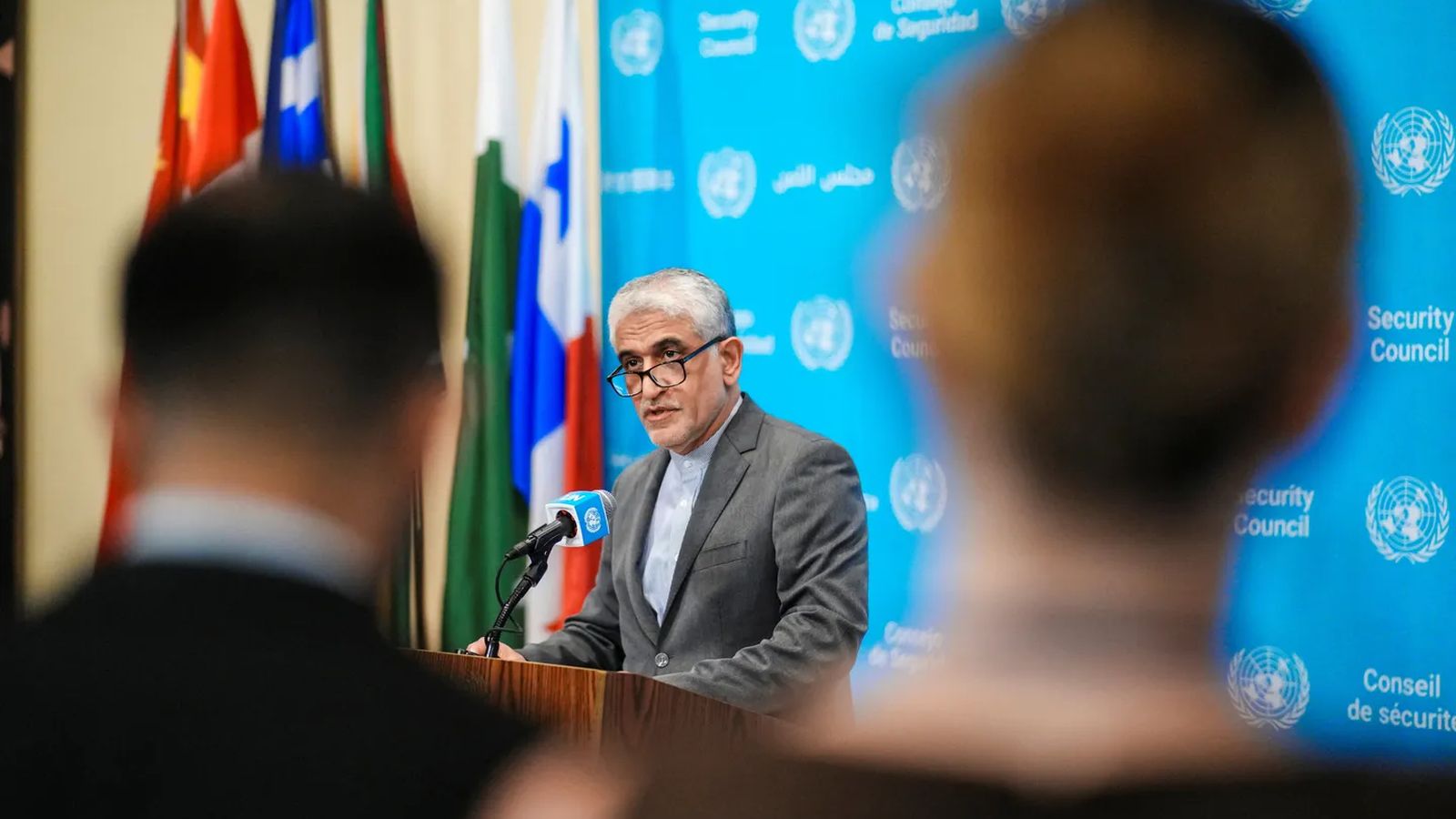
Iran’s UN Ambassador, Amir Saeid Iravani, spoke after the Security Council vote, emphasizing Iran’s position that its nuclear program is entirely peaceful. The ambassador condemned the E3’s “ill-considered” actions, arguing that the snapback process undermines diplomatic efforts and punishes Iran unjustly.
President Masoud Pezeshkian echoed these sentiments in remarks broadcast on Iranian state television. “Through the snapback they block the road, but it is the brains and the thoughts that open or build the road,” he declared. Pezeshkian insisted that Iran would never surrender to “excessive demands,” stressing that his country possesses the resilience and ingenuity to overcome renewed sanctions.
What Does the Snapback Mean for Iran?
If enforced, the snapback would have far-reaching consequences for Iran’s economy, diplomacy, and security. UN sanctions would reimpose strict controls, including:
- An arms embargo, preventing Iran from importing or exporting conventional weapons.
- A ban on uranium enrichment and reprocessing, directly targeting Iran’s nuclear capabilities.
- Prohibitions on ballistic missile activity, constraining Iran’s missile development.
- Global asset freezes and travel bans on designated Iranian individuals and entities.
These measures represent a return to the international isolation Iran faced prior to the JCPOA, raising urgent questions about the future of diplomatic engagement and regional stability. The snapback process unfolds over 30 days, but a delay can be negotiated if Iran and the E3 reach an agreement within a week—a window of opportunity that remains uncertain.
Diplomatic Fallout and Regional Implications
The decision to trigger snapback has been met with sharp criticism in Tehran. Iran’s Supreme National Security Council condemned the move, warning that it would “effectively suspend” all cooperation with the IAEA. Such a step would not only hinder international oversight of Iran’s nuclear activities but also heighten fears of a renewed arms race in the region.
Earlier this month, Iran and the IAEA had reportedly reached a preliminary agreement to resume inspections at several nuclear sites, including those damaged in attacks attributed to the US and Israel. Details of the agreement remain sparse, and its fate is now unclear in light of the escalating standoff.
For the E3, the snapback reflects a growing impatience with Iran’s perceived intransigence. European diplomats have expressed frustration over what they see as Tehran’s repeated violations of the JCPOA, coupled with a lack of transparency regarding its nuclear activities. The snapback is, in their view, a last-resort measure to pressure Iran back into compliance.
Yet, the impact of renewed sanctions will be felt far beyond the negotiating table. Iran’s economy, already strained by years of embargoes and financial restrictions, faces additional hurdles as global asset freezes and trade bans are reinstated. Ordinary Iranians may bear the brunt of these measures, with potential ramifications for domestic stability.
Regional actors are watching closely. Israel, Saudi Arabia, and other Middle Eastern states have long expressed concern over Iran’s nuclear ambitions, fearing that unchecked progress could destabilize the entire region. The suspension of IAEA oversight would only deepen these anxieties, potentially prompting countermeasures and further escalation.
Meanwhile, the United States—though no longer a party to the JCPOA after its withdrawal in 2018—remains a key player. Washington’s response to the snapback will shape the contours of international pressure on Iran, influencing both European and regional strategies.
The Road Ahead: Uncertainty and Diplomatic Brinkmanship
With the snapback process underway, the next few weeks are critical. Diplomats face a narrow window to negotiate a delay or reversal of sanctions, but mutual distrust runs deep. Iran’s insistence on the peaceful nature of its nuclear program collides with the E3’s demands for verifiable compliance, leaving little room for compromise.
The stakes are high. If Iran follows through on its threat to suspend cooperation with the IAEA, the world will lose its most reliable window into Tehran’s nuclear activities. This could accelerate tensions, trigger new rounds of sanctions, and complicate efforts to prevent nuclear proliferation in the Middle East.
As the international community watches the unfolding drama, a central question emerges: Can diplomacy survive the pressures of snapback, or are we witnessing the unraveling of years of painstaking negotiations?
The snapback crisis reveals the fragility of international agreements and the persistent mistrust between Iran and Western powers. With oversight mechanisms hanging in the balance and sanctions poised to tighten, the coming days will test the resilience of diplomatic channels—and may redefine the future of nuclear non-proliferation in the region.