
Quick Read
- President Trump issued a deadline for Iran to reopen the Strait of Hormuz or face strikes on critical infrastructure.
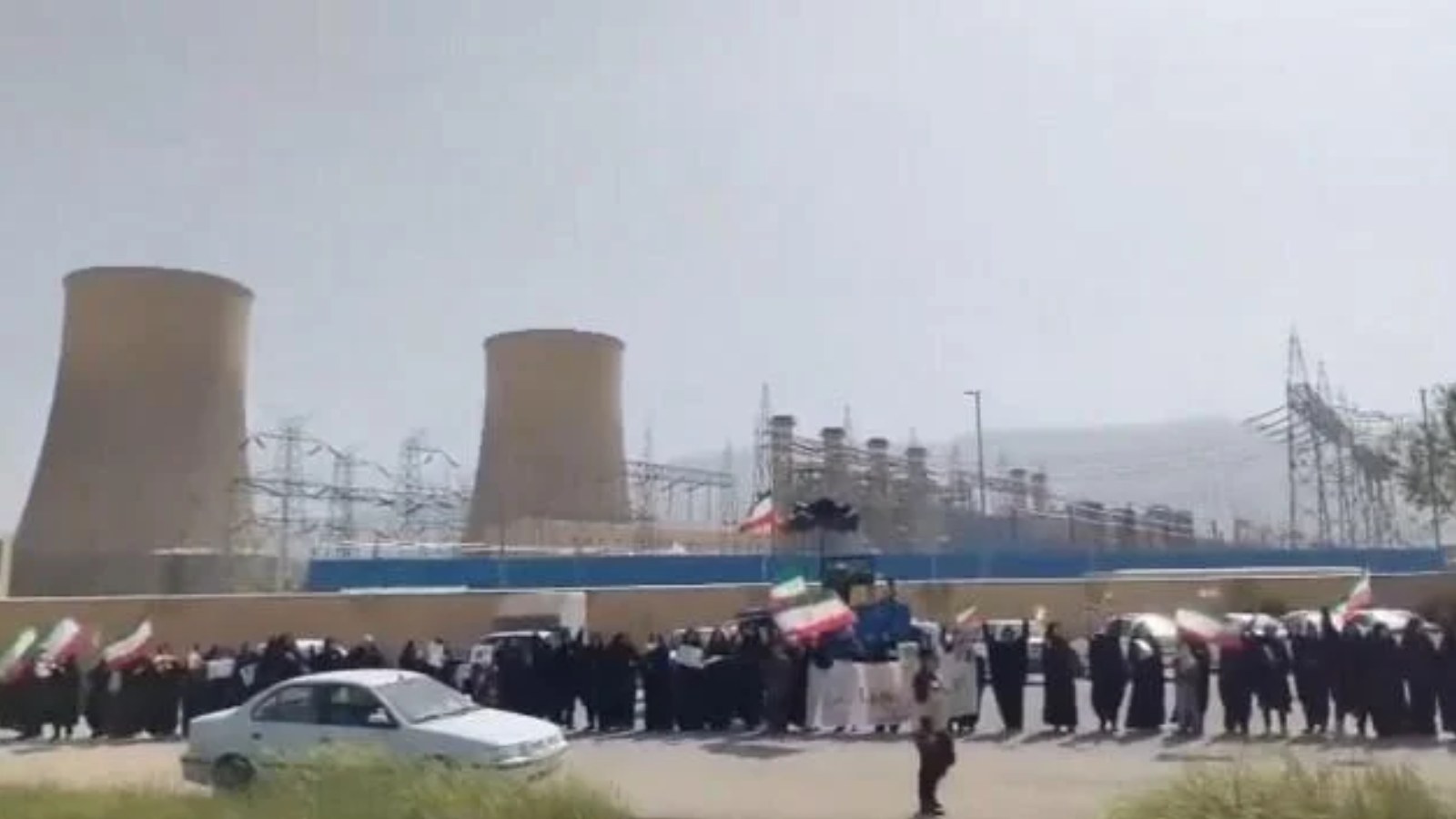
- Iranian officials are mobilizing civilians to form human chains around power plants and bridges as a defensive measure.
- Global oil prices have risen to $111 per barrel amid fears of sustained energy infrastructure damage in the Gulf.
TEHRAN (Azat TV) – Iranian authorities have issued a desperate call for citizens to form human chains around critical power plants and bridges as a midnight deadline set by U.S. President Donald Trump looms. The ultimatum, which expires at 4 a.m. Abu Dhabi time on Wednesday, threatens catastrophic strikes against Iran’s civilian infrastructure if the country does not immediately reopen the Strait of Hormuz.
Human Shields and the Threat of Infrastructure Collapse
The directive to use civilians as a defensive measure follows threats from the White House to cripple the nation’s power grid and transportation networks. President Trump warned on Monday that if the waterway remains obstructed, U.S. forces are prepared to inflict damage that would take a century to repair. Tehran’s response has been to mobilize the populace, with local officials urging residents to surround key facilities to deter potential aerial bombardment.
The move comes as military tensions have shifted toward a focus on energy and civilian infrastructure. According to Semafor, both the U.S. and Israel have already targeted Iranian gas fields and critical bridges over the past six weeks. The stakes are immense: Iranian officials are attempting to safeguard an energy network already under severe strain from an ongoing nationwide internet blackout and a series of prior strikes.
Economic Stakes in the Strait of Hormuz
The primary driver of the conflict remains the closure of the Strait of Hormuz, where Iran has attempted to impose a $2 million toll on passing vessels. While diplomatic channels involving Pakistani mediators remain open, both Washington and Tehran have maintained maximalist positions. President Trump has suggested that the U.S. should seize control of the strait to collect the levies directly, a proposal that has further alienated regional powers.
As reported by The Associated Press, the disruption has forced global markets to price in a long-term energy shock. While oil prices have climbed to approximately $111 per barrel, equity markets have shown surprising resilience, suggesting that investors are bracing for a prolonged period of instability regardless of whether the deadline results in a military escalation or a last-minute diplomatic off-ramp.
Civilian Toll and Regional Instability
The humanitarian cost of the conflict continues to mount. With schools closed and air-raid warning systems largely non-functional, civilians in Tehran are facing the prospect of strikes with little public shelter. The mobilization of human shields has drawn criticism from international observers who fear that the strategy will lead to significant civilian casualties if the U.S. proceeds with its threatened campaign against the country’s infrastructure.
The New York Post notes that while some anti-regime protesters in Iran have expressed support for continued pressure on the government, the reality on the ground is increasingly dire. With the nation’s credit ratings suffering and regional allies like Bahrain reporting the interception of over 650 Iranian missiles since February, the conflict is increasingly defined by the degradation of essential services and the isolation of the Iranian public.
The current strategy of utilizing civilians as human shields reflects a regime operating in a state of terminal tactical distress, where the survival of infrastructure has become inextricably linked to the physical presence of the populace, effectively raising the moral and political cost of any kinetic intervention by U.S. forces.