


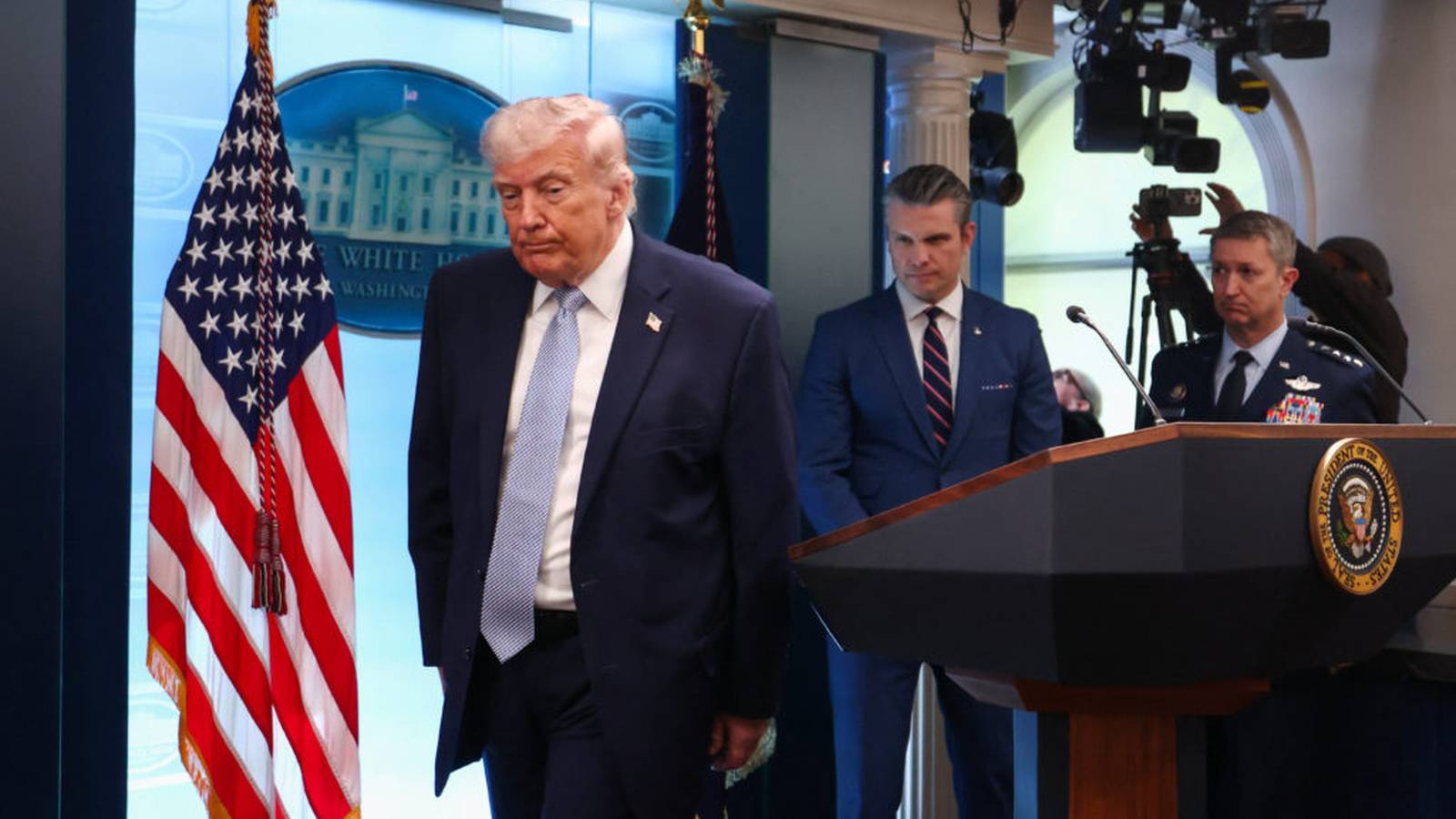
Calls to invoke the 25th Amendment of the U.S. Constitution against President Donald Trump have intensified following a series of aggressive social media posts concerning the ongoing conflict with Iran. The movement, which has historically been driven by Democratic lawmakers, reached a notable turning point this week as former allies of the president joined the chorus of those questioning his fitness to hold office.
Expanding Demands for 25th Amendment Invocation
The latest wave of criticism was triggered by a post on Truth Social in which President Trump threatened to target civilian infrastructure in Iran, including power plants and bridges, while demanding the reopening of the Strait of Hormuz. The rhetoric, described by critics as unhinged, prompted a swift reaction from former Representative Marjorie Taylor Greene. Once a staunch defender of the president, Greene took to social media to state that the 25th Amendment must be invoked, characterizing the president’s threats as evil and madness.
The demand for removal has also been echoed by other prominent conservative voices, including commentator Candace Owens, who labeled the president’s statements as genocidal. These calls align with existing efforts by Democratic members of Congress, such as Senator Chris Murphy and Representative Mark Pocan, who have argued that the president’s recent behavior renders him unable to exercise the duties of his office or safely manage the nation’s nuclear arsenal.
Understanding the 25th Amendment Mechanism
The 25th Amendment, ratified in 1967 in the wake of President John F. Kennedy’s assassination, was designed to address scenarios involving presidential incapacitation. While the first three sections deal with succession and voluntary transfers of power, Section 4 provides a specific, albeit high-bar, mechanism for the involuntary removal of a president. Under this section, the Vice President and a majority of the Cabinet must determine that the president is unable to discharge the powers and duties of his office.
Legal scholars and constitutional experts note that the amendment was never intended as a remedy for policy disagreements or political misconduct. The process requires a unified Cabinet, making it a significant hurdle that relies entirely on the political will of the administration’s inner circle. Currently, there is no indication that Vice President JD Vance or any member of the Cabinet intends to challenge the president’s capacity.
The Political Reality of Presidential Removal
Despite the heightened rhetoric, the political feasibility of invoking the 25th Amendment remains minimal. Vice President Vance and the broader Republican leadership in Congress have remained firm in their support of the president’s foreign policy agenda. White House officials have dismissed the calls, stating that the administration continues to act within the confines of the law while pursuing its established national security priorities.
The escalation of these calls underscores a deepening fracture within the American political landscape, where the debate over presidential stability is no longer confined to partisan lines but has begun to touch the president’s own political base, highlighting the profound uncertainty surrounding executive conduct during international crises.