
Quick Read
- A major search for a man overboard from a P&O Ferries vessel in the Irish Sea was stood down on Friday.
- The incident occurred on Thursday, February 12, 2026, at approximately 1:21 PM GMT, on the ferry service from Scotland to Larne.
- HM Coastguard, RNLI lifeboats, rescue teams, and a helicopter participated in extensive searches.
- No trace of the missing passenger was found despite thorough efforts.
- P&O Ferries confirmed the incident on its European Highlander vessel and is assisting authorities.
LARNE (Azat TV) – An extensive multi-agency search operation for a man reported overboard from a P&O Ferries passenger vessel in the Irish Sea has been formally stood down without finding the individual. The incident, which prompted a major response from HM Coastguard, the Royal National Lifeboat Institution (RNLI), and other vessels, occurred on Thursday afternoon, February 12, 2026, on a service traveling between Scotland and Larne, Northern Ireland.
HM Coastguard confirmed on Friday, February 13, that despite thorough and widespread searches, no trace of the man had been found, leading to the suspension of rescue efforts. The decision to stand down the search was made after crews had spent hours combing the waters, covering a significant area of the Irish Sea.
Initial Response to Irish Sea Incident
The alarm was raised at approximately 1:21 PM GMT on Thursday when HM Coastguard received reports of a man overboard from the P&O Ferries Stranraer/Cairnryan to Larne service. P&O Ferries later confirmed that the incident occurred aboard the European Highlander ferry while it was sailing towards Larne. The immediate response saw rescue teams swiftly dispatched to the area, initiating a coordinated effort to locate the missing passenger.
Larne RNLI was requested to launch its all-weather lifeboat at 1:25 PM GMT, with Donaghadee RNLI joining the search at 2:25 PM GMT. The swift deployment underscored the urgency of the situation, as survival times in cold waters can be severely limited.
Extensive Multi-Agency Search Efforts
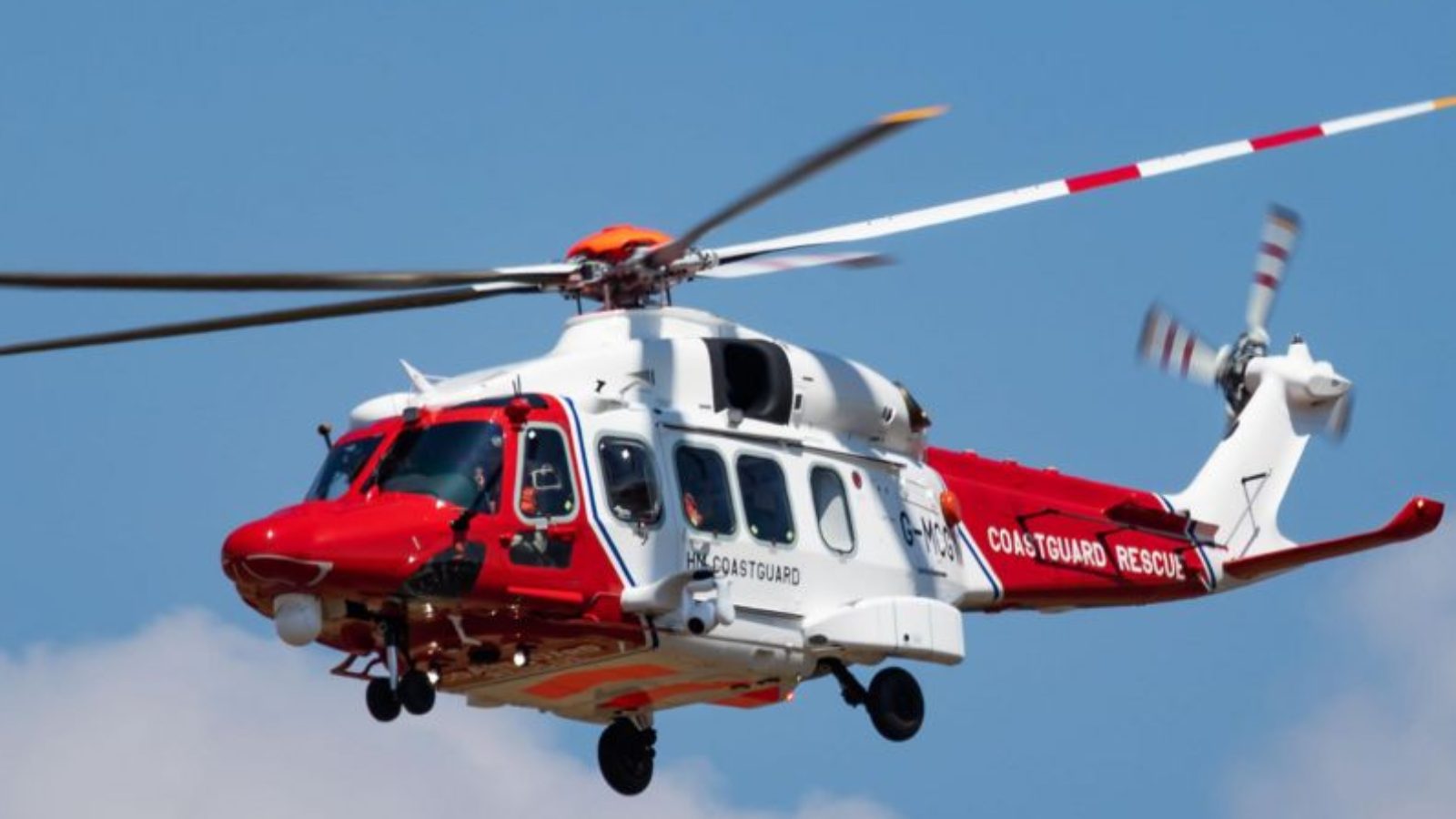
The search operation involved a comprehensive deployment of resources from various emergency services. Larne and Portmuck Coastguard rescue teams were on scene, alongside RNLI lifeboats from both Larne and Donaghadee. An HM Coastguard rescue helicopter provided aerial support, scanning the expansive waters from above. Additionally, crews on other commercial and private vessels in the vicinity assisted in the search, responding to broadcasts for aid.
HM Coastguard described the efforts as “extensive and thorough searches,” indicating the broad scope and intensity of the operation. Despite these concerted actions, which continued for several hours into Thursday evening, no individual was located, and the search had not resumed by Friday morning.
P&O Ferries Confirms European Highlander Incident
In a statement, P&O Ferries acknowledged the incident, stating, “We can confirm that an incident has occurred onboard the European Highlander while the vessel was sailing to Larne.” The company added that it was “continuing to support the authorities with their inquiries” following the suspension of the search and rescue operation by HM Coastguard. The European Highlander is described by P&O Ferries as “one of the fastest ferries on the Irish Sea,” a twin-deck vessel capable of carrying up to 410 passengers, 375 cars, and/or 116 commercial vehicles. It operates six daily crossings between Scotland and Larne, each taking approximately two hours.
Search Concludes with No Findings
The decision to stand down the search operation came after all available resources had exhausted their efforts without any positive findings. A spokesperson for HM Coastguard reiterated that “nothing found at this time” was the unfortunate conclusion of the extensive search. The standing down of such an operation marks the end of active rescue attempts, shifting focus towards ongoing investigations into the circumstances surrounding the incident.
The coordinated, multi-agency response highlights the robust emergency protocols in place for maritime incidents, yet the lack of a positive outcome in this case underscores the inherent dangers and challenges of search and rescue operations in open waters.