
Quick Read
- Israel launched an airstrike in Doha, Qatar, targeting Hamas leaders.
- Qatar condemned the attack, calling it a violation of sovereignty.
Israel’s Strike on Doha: A Calculated Move with Uncertain Outcomes
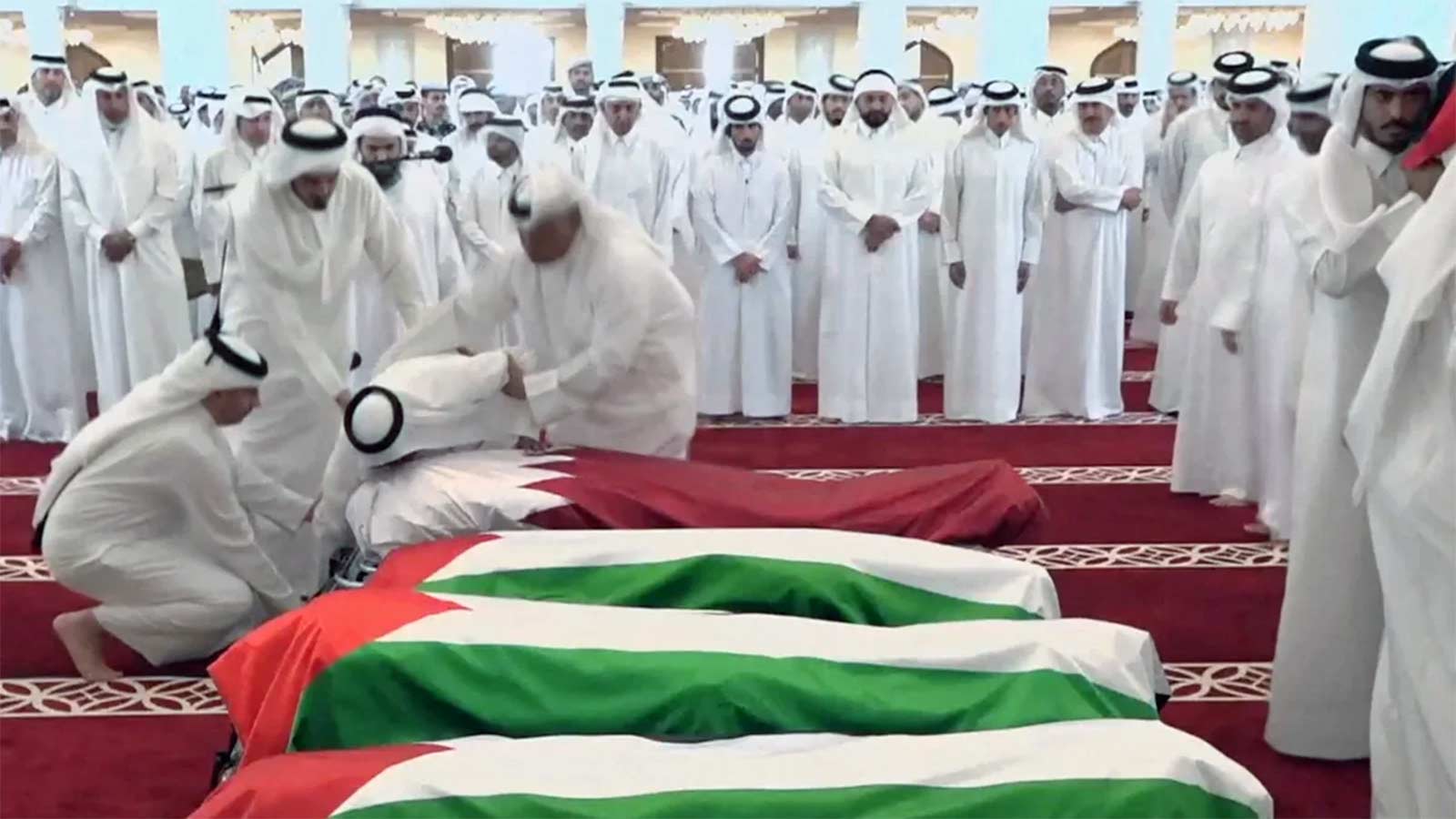
The quiet streets of Doha, Qatar’s capital, were shattered last week by an Israeli airstrike that targeted Hamas leaders meeting in the city. What followed was not just a diplomatic storm but a seismic shift in the region’s delicate balance of power. The attack, which killed six people, including the son of a prominent Hamas leader, has sent shockwaves far beyond the Gulf.
Israel’s Prime Minister, Benjamin Netanyahu, defended the operation, stating that Hamas leaders would have no immunity “wherever they are.” Qatar, however, condemned the strike as an act of “state terror” and called it a blatant violation of its sovereignty. The incident has brought into sharp focus the complex interplay of geopolitics, security, and diplomacy in the Middle East.
The Gulf’s “Neutral Mediator” Under Fire
For years, Qatar has positioned itself as a neutral mediator in the region, hosting negotiations between warring factions and brokering ceasefires. From facilitating talks with the Taliban to mediating hostage exchanges involving Hamas and Israel, Doha has earned a reputation as the Switzerland of the Middle East. This role, however, is now under threat.
The Israeli airstrike has exposed the vulnerabilities of Qatar’s strategy. Despite hosting the largest U.S. military base in the region and being the second-largest purchaser of U.S. foreign military sales, Qatar finds itself questioning the reliability of its alliances. As Nesrine Malik, a columnist for The Guardian, put it, “If the U.S. can’t protect Qatar, then its investment in the relationship is no longer a guarantor of security.”
The attack also underscores the growing assertiveness of Israel in its regional strategy. By striking Doha, Israel has not only targeted Hamas but also sent a message to other Arab states: no one is beyond its reach.
Arab-Islamic Summit: A Turning Point?
In the wake of the attack, Qatar convened an emergency summit of the Arab League and the Organisation of Islamic Cooperation (OIC). Leaders from across the Muslim world gathered in Doha to discuss a unified response. While Iranian President Masoud Pezeshkian called for severing ties with Israel, other leaders urged for more measured but decisive actions.
The summit’s outcomes remain uncertain, but it has already highlighted a growing rift within the Arab world. The United Arab Emirates (UAE), which normalized relations with Israel under the Abraham Accords, has expressed solidarity with Qatar—a sign that Israel’s actions may be unraveling these agreements. As one UAE diplomat reportedly warned, the annexation of the West Bank would be a “red line” that could lead to the collapse of the accords.
A Shifting Geopolitical Landscape
The Israeli airstrike has also raised questions about the role of the United States in the Middle East. While Israeli media claimed that Washington had given a green light for the operation, U.S. officials, including Secretary of State Marco Rubio, have denied any involvement. The ambiguity has fueled speculation about the state of U.S.-Israel relations and the broader implications for American influence in the region.
For Qatar, the attack has been a wake-up call. As its Prime Minister, Sheikh Mohammed bin Abdulrahman bin Jassim Al Thani, told the summit, “If the U.S. cannot protect Qatar, we will need to look to other partners.” This marks a significant shift in Qatar’s foreign policy, one that could have far-reaching consequences for the Gulf and beyond.
The Road Ahead
As the dust settles, the question remains: what comes next? For Qatar, retaliation is not a viable option. Any military response would escalate tensions and potentially draw the region into a broader conflict. Instead, Doha is likely to focus on diplomatic and legal avenues to hold Israel accountable.
For Israel, the strike has been a double-edged sword. While it has demonstrated its military reach, it has also alienated key regional players and jeopardized its standing with the U.S. and other Western allies. The upcoming UN General Assembly session, where several countries are expected to recognize the State of Palestine, could further isolate Israel on the international stage.
For the Gulf states, the attack has been a stark reminder of their shared vulnerabilities. Despite their differences, they may find common ground in pushing back against Israeli aggression. Whether this leads to a new era of Arab unity or further fragmentation remains to be seen.
The Israeli airstrike in Doha has not just shattered lives but also upended long-standing alliances and assumptions. As the region grapples with the fallout, one thing is clear: the Middle East is entering a new, uncertain chapter in its history.