
Quick Read
- Japan’s 2025 defense white paper highlights China’s ‘gray zone’ military activities as a serious concern.
- The report outlines China’s expanding Coast Guard and military drills near Taiwan and the Senkaku Islands.
- Beijing’s dual-use platforms in disputed waters have raised alarms in Tokyo and Seoul.
- China condemned the white paper, accusing Japan of hyping the ‘China threat’ narrative.
- Japan plans to increase defense spending and strengthen alliances to counterbalance China’s influence.
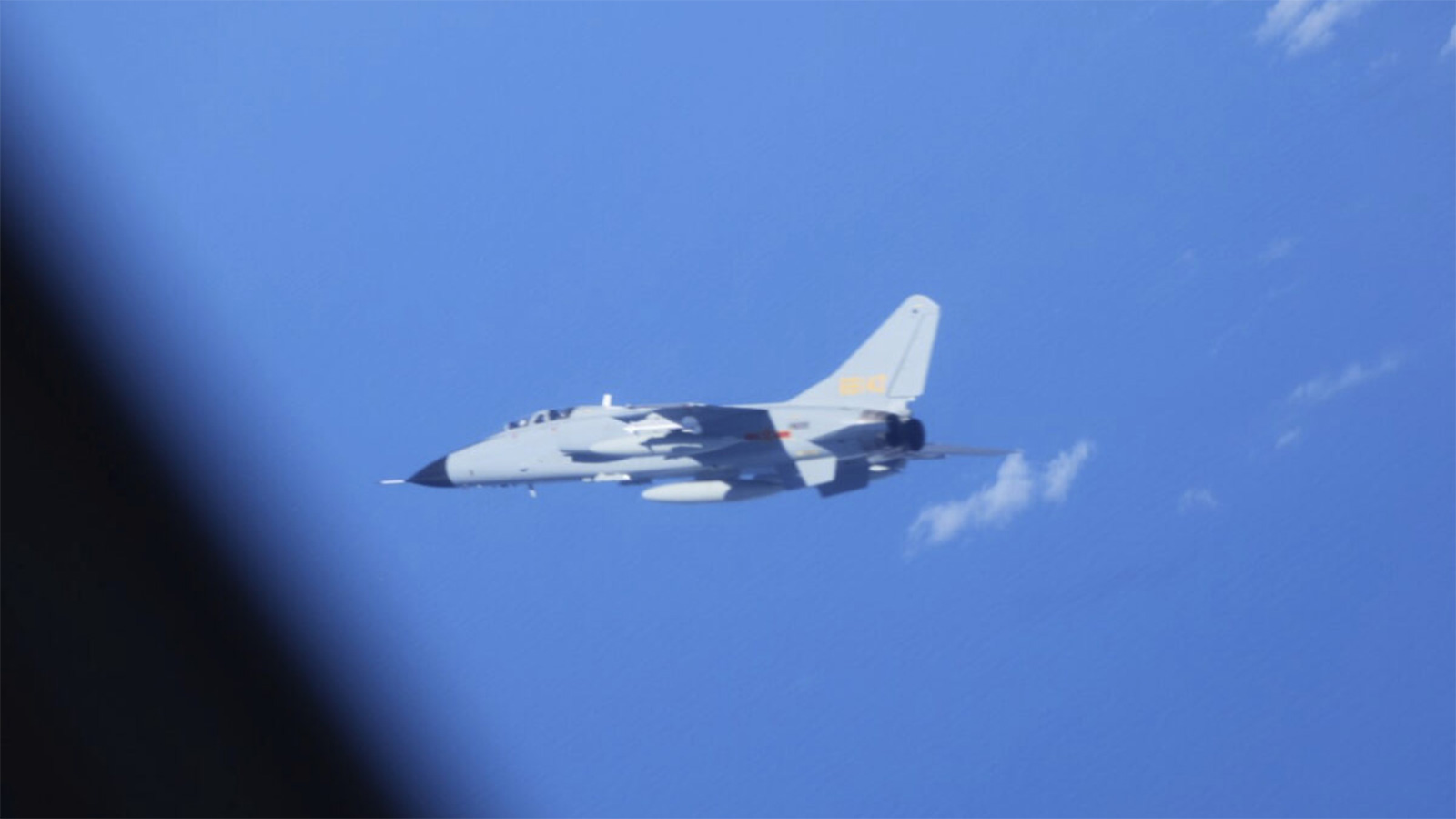
Japan’s latest defense white paper, titled “Defense of Japan 2025,” released on July 15, 2025, has sparked significant international attention and debate. For the first time, Tokyo has explicitly addressed the growing risks posed by China’s so-called ‘gray zone’ activities, which blur the line between peacetime and wartime. The document sheds light on Beijing’s increasing military maneuvers in the region, the expanding role of the China Coast Guard (CCG), and its implications for regional security, particularly around disputed territories like Taiwan and the East China Sea.
Understanding ‘Gray Zone’ Activities
China’s ‘gray zone’ activities refer to a spectrum of operations that fall between conventional warfare and peaceful interactions. These include hybrid tactics such as cyberattacks, economic coercion, and the use of paramilitary forces like the CCG. According to the white paper, the CCG, which operates under China’s People’s Armed Police Force, has become a key player in enforcing Beijing’s territorial claims. As The Diplomat noted, the CCG has significantly expanded its fleet, boasting 161 ships over 1,000 tons, including two 10,000-ton-class patrol vessels, among the largest in the world.
These developments, coupled with military drills near Taiwan, highlight the strategic use of the CCG in enforcing claims in disputed waters. The report cited exercises held in May and October 2024, during which Chinese Coast Guard vessels operated near Taiwan, signaling a potential pivot toward gray zone tactics for unification efforts. Experts fear such activities could escalate into larger conflicts without clear warning signs.
Heightened Concerns Around Taiwan
The defense paper expressed growing unease over China’s military maneuvers around Taiwan. It pointed out that Beijing’s strategies, including blockades and military intimidation, are likely aimed at pressuring Taiwan into unification. Notably, the report highlighted a case from May 2024, when Chinese military exercises were initiated just days after Taiwanese President Lai Ching-te’s inauguration. Furthermore, the October 2024 drills saw CCG vessels surrounding Taiwan, indicating an increased role for the Coast Guard in potential conflict scenarios.
Tokyo’s concern extends to the possibility of these activities spilling over into Japan’s own territorial waters, particularly around the Senkaku Islands, which China also claims as the Diaoyu Islands. As The Manila Times reported, Japan recorded 355 instances of Chinese vessels near the Senkaku Islands in 2024 alone, a record high.
Regional Maritime Tensions
Beyond Taiwan, Japan’s white paper also addressed China’s maritime assertiveness in the East China and Yellow Seas. According to a report by IP Defense Forum, Beijing has been constructing dual-use platforms in disputed waters, raising alarms in Tokyo and Seoul. These structures, while ostensibly for civilian purposes like aquaculture, could easily be repurposed for military use, drawing parallels to similar tactics employed in the South China Sea.
Japan and South Korea have lodged formal protests against these activities, citing violations of prior agreements. The ongoing tensions underscore the broader implications of China’s maritime strategy, which seeks to normalize its presence in contested areas and assert de facto control through gray zone tactics.
China’s Reaction and Broader Implications
The release of Japan’s defense white paper has drawn sharp criticism from Beijing. Chinese Foreign Ministry spokesperson Lin Jian condemned the document, accusing Tokyo of hyping the ‘China threat’ narrative to justify its military expansion. Lin urged Japan to reflect on its wartime history and avoid undermining regional stability.
However, Tokyo’s concerns are not without merit. Japan is in the midst of a multiyear plan to increase its defense spending to 2% of its GDP, aligning with NATO standards. It is also strengthening alliances with the United States and other regional partners to counterbalance China’s growing influence. As Global Times noted, this strategic pivot reflects a broader regional anxiety over Beijing’s ambitions, particularly in light of its military cooperation with Russia and its stance on Taiwan.
North Korea also featured prominently in the white paper, with Japan warning of Pyongyang’s advances in hypersonic weapons and its growing military ties with Russia. These developments add another layer of complexity to the regional security landscape, necessitating enhanced vigilance and coordination among Japan and its allies.
As tensions continue to rise in East Asia, Japan’s defense white paper serves as both a warning and a call to action. The document underscores the urgent need for diplomatic engagement and robust defense measures to navigate the challenges posed by an increasingly assertive China.