


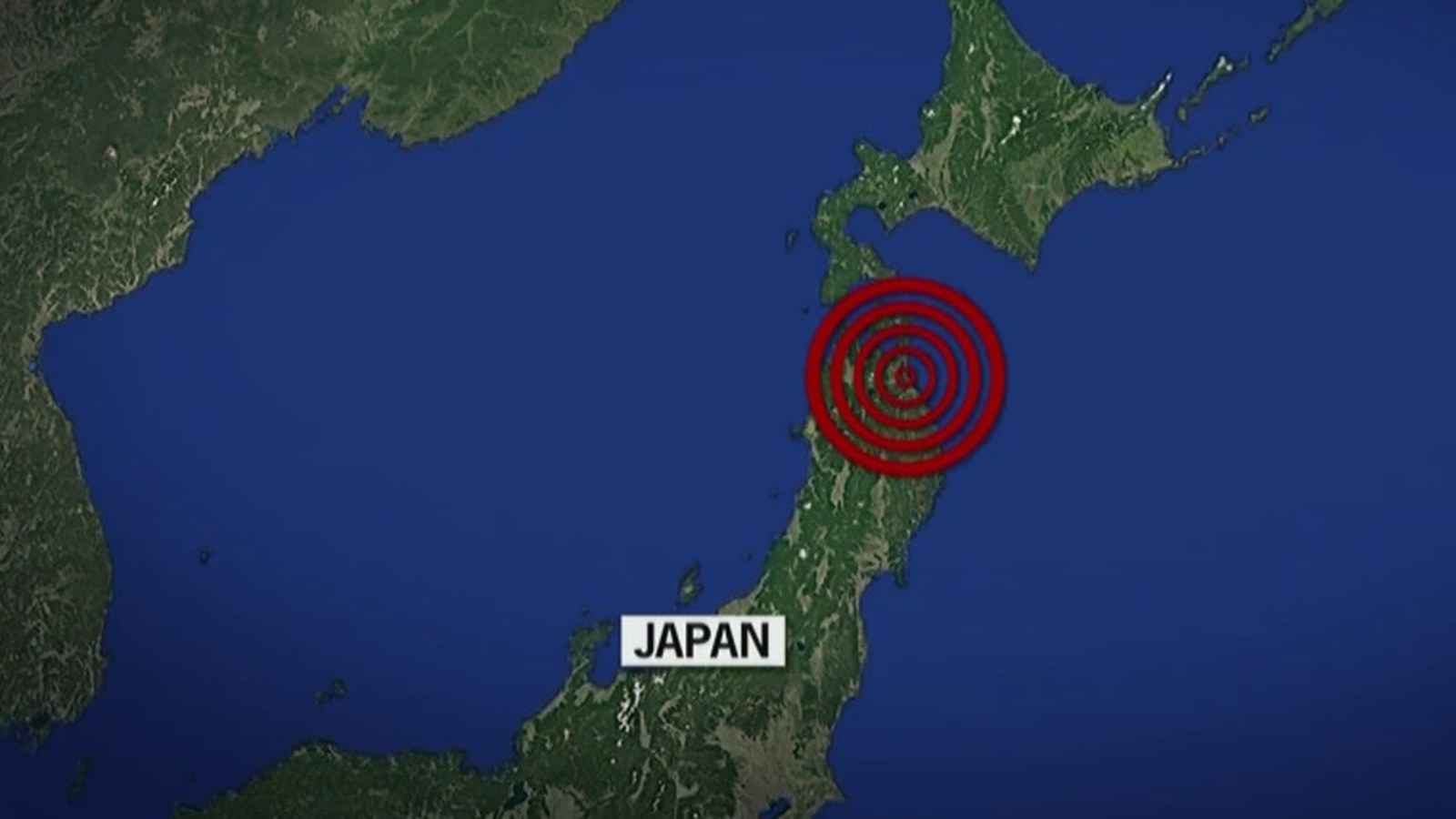
Powerful Earthquake Jolts Japan’s Northeast, Prompting Tsunami Alert
On Monday, December 8, 2025, Japan faced a stark reminder of its seismic vulnerability when a massive 7.6-magnitude earthquake struck in the North Pacific Ocean, just 45 miles northeast of Misawa. The United States Geological Survey (USGS) and Japan Meteorological Agency confirmed the quake’s timing at 11:15 p.m. local time, sending immediate ripples of anxiety throughout the region.
Tsunami Warning Issued for Coastal Communities
Within minutes of the quake, the Japan Meteorological Agency issued tsunami warnings for stretches of the country’s northeastern coastline. Authorities urged residents in low-lying areas to move to higher ground, invoking memories of past disasters that have left indelible marks on Japan’s collective consciousness.
Japan’s long history with seismic events means its population is no stranger to sudden evacuations. However, the resonance of the word ‘tsunami’ in Japanese society can’t be overstated. For many, it conjures images of devastating past events, most notably the 2011 Tohoku disaster. As sirens blared and alerts spread across radio, television, and smartphones, families gathered in safe zones, anxiously awaiting updates. The tsunami warning was a stark, urgent call to action—a test of Japan’s vaunted disaster preparedness systems.
Aftershocks and Ongoing Seismic Activity
As the initial tremors faded, a new threat emerged: aftershocks. According to the USGS, aftershocks are common following large earthquakes and can persist for days, weeks, or even years. Some may be nearly as powerful as the main event, compounding the risk for already vulnerable communities.
Seismologists tracked a series of smaller quakes within 100 miles of the epicenter, each one a reminder of the earth’s unpredictable temperament. As of the early hours of December 9, aftershocks continued to ripple through the region, with scientists monitoring their intensity and potential impacts on damaged infrastructure.
Assessing the Damage and Ongoing Risks
While the full extent of the damage was still being assessed as of Tuesday morning, the focus remained on ensuring public safety. Emergency services were on high alert, prepared for both immediate rescue operations and the longer-term process of recovery. The USGS indicated that the shake-severity maps and earthquake magnitude could be updated as more data became available, underlining the dynamic and evolving nature of seismic event reporting.
Japan’s advanced early warning systems and public education campaigns once again demonstrated their value, helping to minimize confusion and guide people to safety. Yet, the emotional toll was palpable. For many, the night was sleepless, punctuated by tremors and the persistent fear of another, larger wave or quake.
Japan’s Seismic Resilience: Lessons and Ongoing Vigilance
Japan sits atop the Pacific “Ring of Fire,” one of the most seismically active regions in the world. This geographical reality has shaped both the country’s infrastructure and its national psyche. Buildings in northeastern Japan are constructed to strict earthquake-resistant standards, and evacuation routes are clearly marked. Schools regularly drill for such emergencies, and local governments maintain detailed plans for large-scale evacuations.
Still, every major earthquake is a test—not just of technology and planning, but of communal spirit and individual resolve. As aftershocks rattled the region, stories began to circulate of neighbors helping each other, community shelters opening their doors, and emergency crews working through the night. It’s a resilience born of necessity, but also of empathy and shared experience.
Looking Ahead: Monitoring and Preparedness
As Tuesday dawned, meteorologists and seismologists continued to analyze the event, comparing it to historical data and modeling potential aftershock scenarios. The Japan Meteorological Agency, in conjunction with global partners like the USGS, promised ongoing updates as more information became available. While the initial tsunami threat began to subside, the region remained on alert for further seismic activity.
The people of northeastern Japan, meanwhile, faced the day with a mixture of relief and wariness. The earthquake had tested the country’s systems and spirit, but had also reminded everyone of the unpredictable, sometimes violent, forces that shape life in this part of the world.
For now, the priority remains clear: safeguard lives, assess damage, and prepare for whatever comes next.
While Japan’s robust disaster preparedness and early warning systems have again proven their value, this earthquake is a sobering reminder that even the best-laid plans are constantly tested by nature’s unpredictability. The nation’s resilience is evident, but so too is the enduring need for vigilance and adaptation in the face of ongoing seismic threats.