
Quick Read
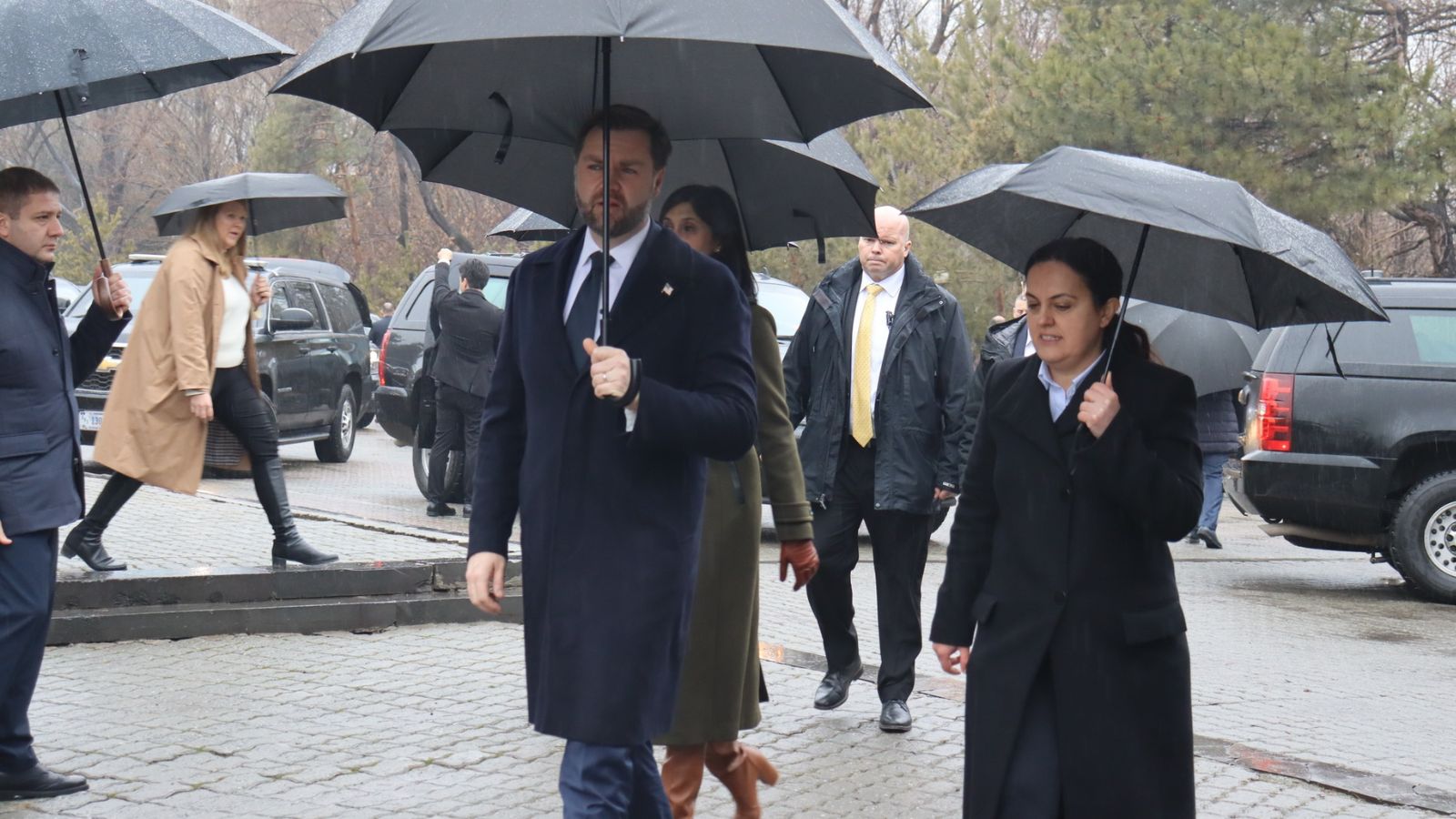
- US Vice President Jay Di Vens arrived in Armenia on an official visit accompanied by his wife, Usha Vens.
- The pair visited the Armenian Genocide Memorial in Yerevan as part of their diplomatic itinerary.
- Initial reports note that further details of the day’s schedule were not disclosed in the coverage available.
- The memorial visit underscores ongoing diplomatic and symbolic ties between the United States and Armenia.
US Vice President Jay Di Vens arrived in Armenia on an official visit, accompanied by his wife, Usha Vens, and the two immediately engaged in a solemn observance at one of the country’s most recognizable landmarks. The Armenian Genocide Memorial in Yerevan, which stands as a central site of remembrance for the victims of the 1915 events, was the setting for their moment of reflection. The scene emphasized the intersection of memory, diplomacy, and international relations in a region where historical memory continues to shape contemporary policy considerations.
The exact itinerary for the vice president’s visit was not detailed in the initial reports accompanying his arrival. The accompanying materials indicated that the memorial visit occurred as a component of a broader official trip, but they did not elaborate on subsequent engagements, meetings, or public remarks that might follow. In many such instances, the programming of a high-level visit is kept intentionally compact in the earliest releases, with further briefings provided at a later time or in subsequent statements.
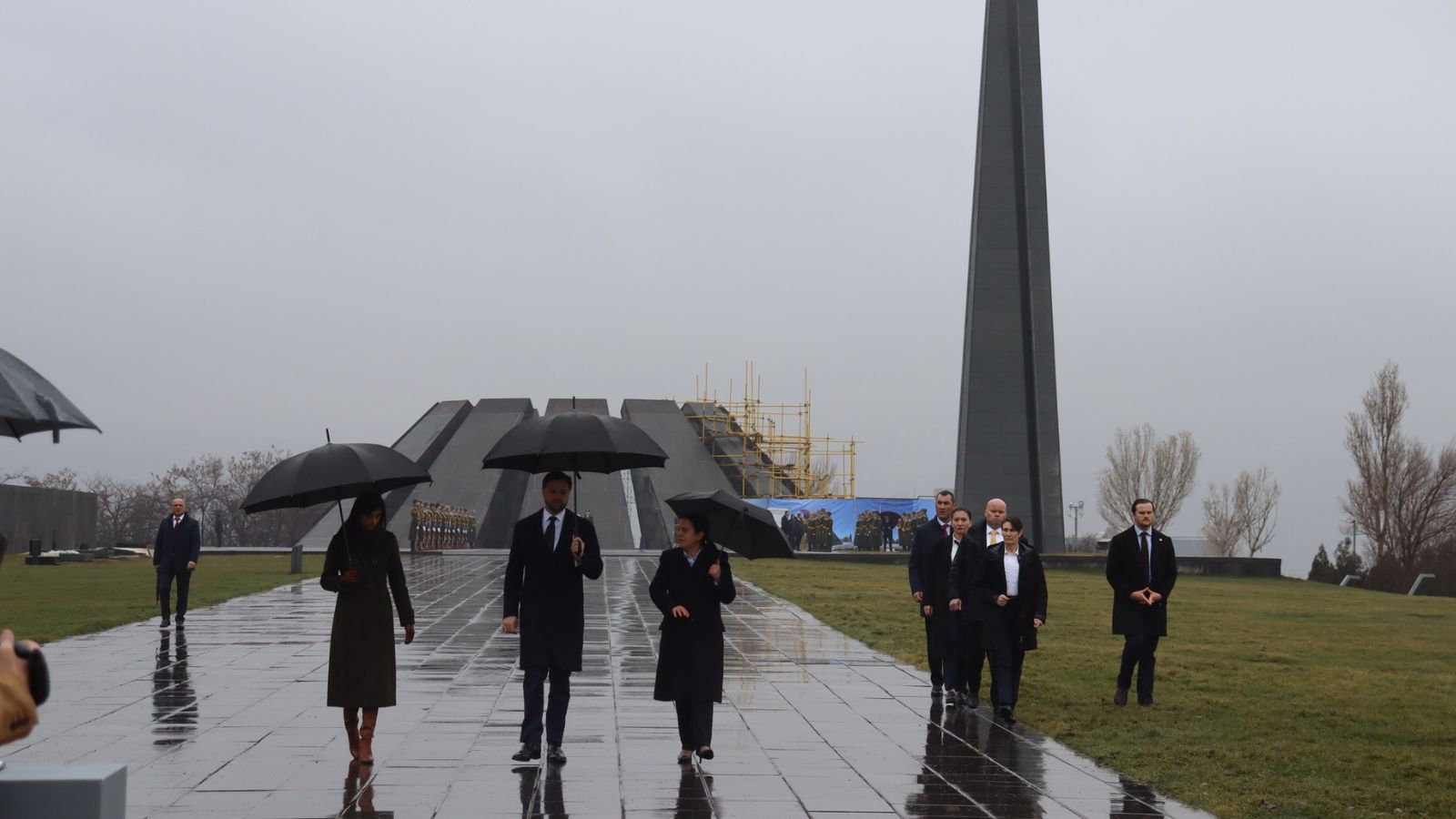
The Armenian Genocide Memorial, located on a hill overlooking Yerevan, has long occupied a symbolic role in Armenian identity and international diplomacy. It serves not only as a place of remembrance for thousands of victims but also as a venue where foreign leaders, diplomats, and representatives engage in gestures intended to acknowledge historical suffering while also signaling a readiness to engage in constructive dialogue on contemporary issues. The setting thus becomes a backdrop for diplomacy that seeks to balance memory with the practicalities of geopolitical partnership.
The decision to visit such a memorial during an official visit is often read as a signal of support for the memory of past atrocities and for the people who continue to advocate for recognition and remembrance on the international stage. In this sense, the visit by Vice President Di Vens and Usha Vens can be seen as part of a broader pattern in which state actors use symbolic acts to reinforce partnerships, demonstrate shared values, and articulate a commitment to human rights, even when discussions may span security, economic development, and regional stability.
Beyond the act itself, observers typically look for subsequent discussions that may address security cooperation, humanitarian assistance, and regional issues that affect Armenia and its neighbors. While those conversations may unfold behind closed doors, the public gesture of pausing at the memorial can influence the tone and framing of any future policy discussions between the United States and Armenia. In this context, the visit contributes to a narrative of ongoing engagement that many analysts see as essential to sustaining bilateral ties in a dynamic and sometimes volatile region.
Armenia’s national leadership has repeatedly sought to cultivate a diverse set of international partners and support networks, including in the security, humanitarian, and development arenas. The United States has been a longstanding partner in these domains, and high-level visits by US officials are often interpreted as reaffirmations of that partnership. While the precise outcomes of this particular stop remain to be seen, the act of paying respects at the Armenian Genocide Memorial signals a mutual recognition of history and a shared interest in stability, reconciliation, and cooperation on future projects that can benefit both nations and their citizens.
As the visit unfolds, analysts will be watching for further official statements or announcements that could illuminate areas for potential collaboration, whether in security and defense, education and cultural exchange, or humanitarian initiatives. In a region marked by competing interests and enduring historical sensitivities, such gestures matter not only as symbolic acts but also as practical inputs into the evolving discourse around peace, partnership, and the protection of human rights across the Caucasus and beyond.
FINAL ANALYSIS: Ultimately, the presence of a high-ranking American official at the Armenian Genocide Memorial during a state visit underscores how memory, diplomacy, and alliance-building coexist in contemporary international relations, shaping expectations on both sides and signaling a sustained interest in durable partnerships that can adapt to regional challenges in the years ahead.