
Quick Read
- Vice President JD Vance arrived in Islamabad to lead the highest-level U.S.-Iran peace talks since 1979.
- The negotiations aim to resolve a six-week war that has severely disrupted global energy transit through the Strait of Hormuz.
- Iran has conditioned its participation on a full ceasefire in Lebanon and the release of frozen financial assets.
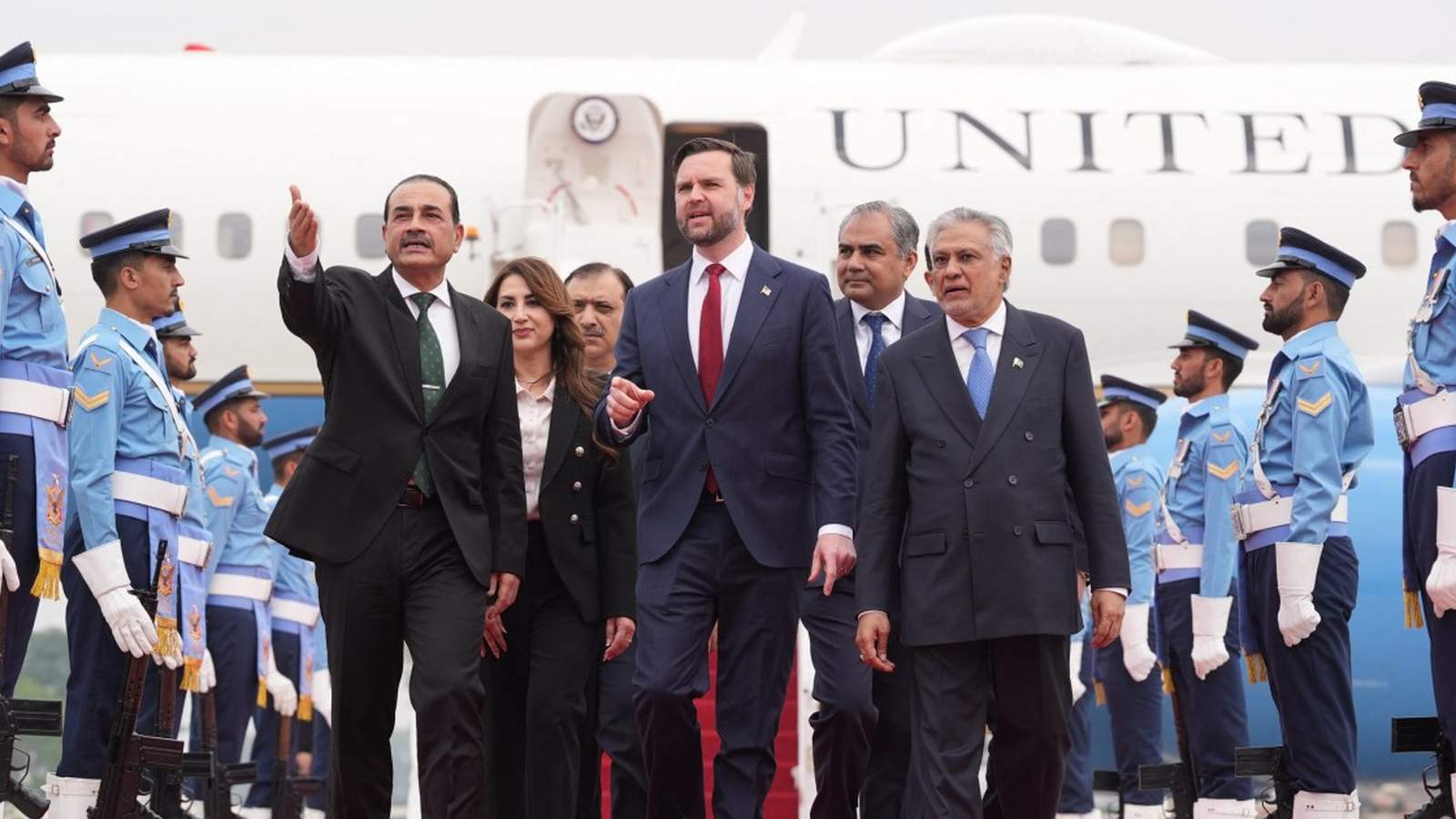
ISLAMABAD (Azat TV) – U.S. Vice President JD Vance arrived in Islamabad on April 11, 2026, to spearhead emergency peace negotiations with Iranian officials, marking the highest-level diplomatic engagement between the two nations since 1979. The mission comes as a six-week conflict, which has paralyzed global energy routes and claimed thousands of lives, reaches a critical juncture that requires immediate resolution to prevent further regional escalation.
Stakes of the Islamabad Peace Negotiations
The delegation, which includes Special Envoy Steve Witkoff and Jared Kushner, is tasked with stabilizing a volatile ceasefire that has been strained by ongoing military activity in Lebanon and a deadlock over the Strait of Hormuz. As of Saturday, the waterway remains largely closed to commercial traffic, keeping Brent crude oil prices roughly 30% higher than pre-war levels. Vice President Vance signaled a firm stance upon his arrival, warning Iranian leadership against using the negotiations as a stalling tactic, stating that the U.S. would not allow Tehran to “try to play us.”
Mediating the U.S.-Iran Conflict
Pakistan has positioned itself as the central mediator, with Prime Minister Shehbaz Sharif hosting both the U.S. and Iranian delegations in the heavily fortified “Red Zone” of Islamabad. According to the Prime Minister’s office, the goal is to utilize these meetings as a foundational step toward a durable regional peace. However, the atmosphere remains tense. Iranian Parliament Speaker Mohammad Bagher Ghalibaf expressed deep-seated mistrust, citing previous failed diplomatic efforts and accusing the U.S. of using negotiations as a cover for military operations. Tehran has explicitly conditioned the talks on a total ceasefire in Lebanon and the release of frozen Iranian assets.
The Fragile Path to Ceasefire
The negotiations occur under a shadow of persistent violence, as fresh Israeli airstrikes were reported in southern Lebanon early Saturday, further complicating the diplomatic framework. While Lebanon and Israel are expected to hold separate, direct talks in Washington next week, the current volatility has led to widespread uncertainty regarding the scope of the existing ceasefire. With the death toll estimated by rights groups at over 3,000 in Iran and nearly 2,000 in Lebanon, the pressure on the Islamabad talks to produce a concrete, enforceable agreement is unprecedented. For the United States, the outcome will test the administration’s ability to navigate a conflict that has significantly disrupted the global economy and challenged established security alliances.
The arrival of a high-ranking official like Vice President Vance indicates that the White House views the current stalemate as unsustainable, shifting the focus from military containment to a precarious diplomatic endgame where the primary challenge remains reconciling Iranian demands for asset recovery with U.S. requirements for open maritime trade.