


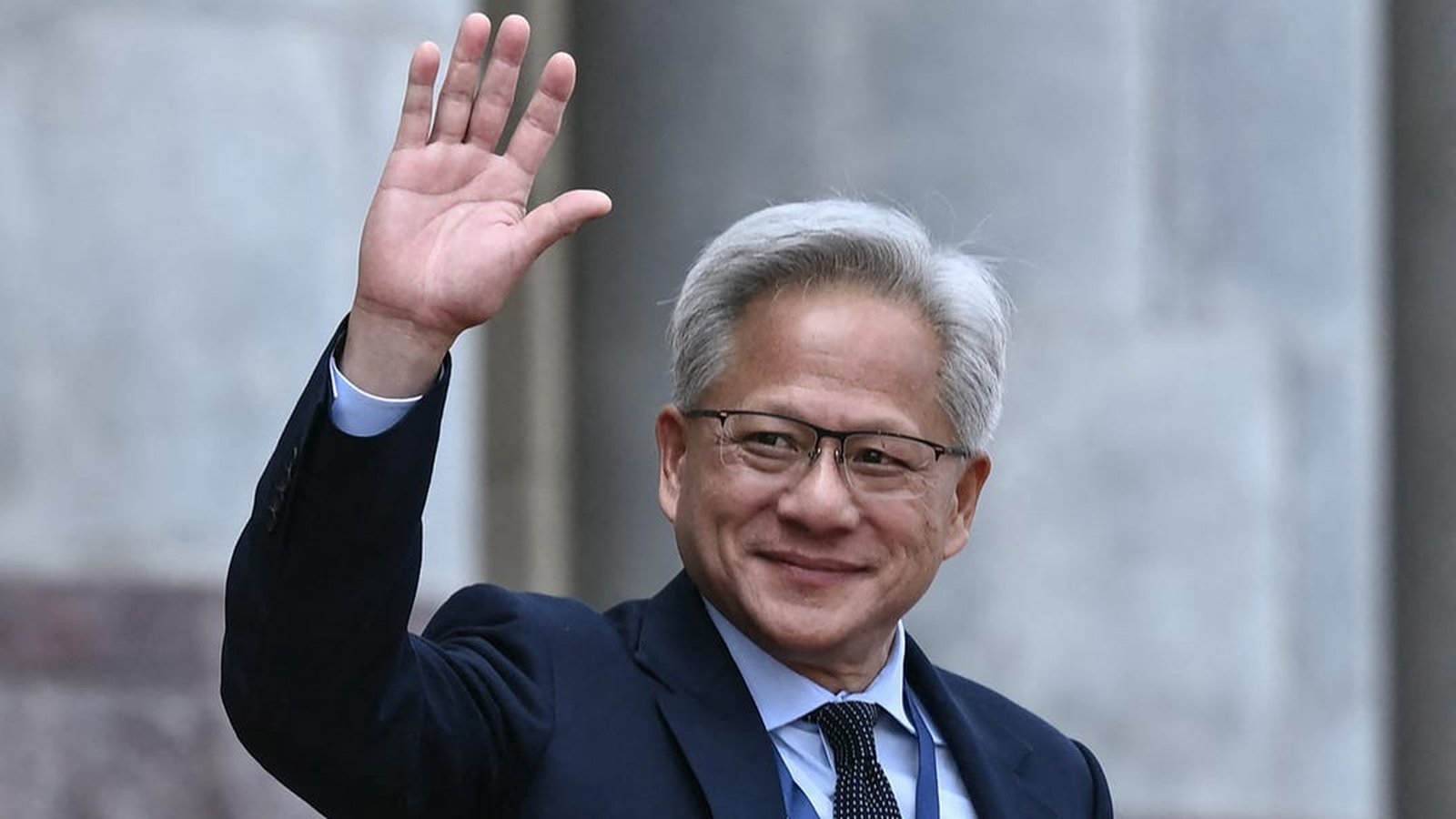
A Diplomatic Pivot in Beijing
In a move that caught industry observers by surprise, Nvidia CEO Jensen Huang joined President Donald Trump’s delegation to Beijing this week, marking a significant escalation in the intersection of corporate interests and geopolitical maneuvering. While the visit was framed by the spectacle of Huang sampling local delicacies like zhajiangmian in the Nanluoguxiang hutongs, the underlying context is one of intense high-stakes negotiation. Huang, whose company now commands a $5.7 trillion market valuation, was added to the executive delegation via a last-minute stopover in Alaska, placing him at the center of the most critical technology-trade dialogue of the decade.
The Semiconductor Stalemate
For nearly four years, Nvidia has navigated a restrictive labyrinth of US export controls designed to limit China’s access to advanced artificial intelligence hardware. Despite the high-profile nature of the delegation, which included titans such as Elon Musk and Tim Cook, official reports from the US Trade Representative’s office suggest that semiconductor policy was not the primary focus of the Beijing summit. However, the presence of the world’s most valuable chipmaker CEO in the room cannot be dismissed as merely ceremonial.
According to recent market analysis and reports from Reuters, the US government has reportedly cleared approximately 10 Chinese firms to acquire Nvidia’s H200 chips, though actual sales remain pending. This development serves as a litmus test for the Biden-Trump transition of trade policy. Huang has consistently characterized the Chinese market as a $50 billion opportunity, a figure that highlights the immense pressure Nvidia faces to reconcile US national security imperatives with the commercial necessity of maintaining a presence in the world’s second-largest economy.
Cultural Diplomacy as a Strategy
Huang’s public persona, often defined by his trademark leather jacket and a genuine affinity for street food, has become an effective tool for soft power. By engaging in local food tours—documented extensively on platforms like X and Weibo—Huang humanizes a corporate entity that is otherwise viewed with apprehension by regulators in both Washington and Beijing. Whether it is a bowl of fermented douzhi’er or a casual meal with industry peers, these moments of relatability serve to soften the edges of a contentious trade relationship.
However, beneath the veneer of the “foodie” CEO lies a disciplined strategist. From the company’s inception at a Denny’s in San Jose to the current global dominance of its AI architecture, Huang has maintained a long-term vision that transcends immediate diplomatic friction. His ability to move between the corridors of power in Beijing and the public markets of the city reflects a sophisticated approach to global leadership.
Assessment
The inclusion of Jensen Huang in the presidential delegation signifies that the future of US-China relations is inextricably linked to the semiconductor supply chain. While the visit yielded no immediate breakthroughs regarding export policy, it established a direct channel of communication between the most critical technological player and the Chinese leadership. The challenge for Nvidia remains precarious: the company must continue to innovate and expand within the strictures of US law while ensuring that the $50 billion Chinese market remains a viable component of its long-term growth strategy. The spectacle of the Beijing visit was a tactical success in public relations, but the true test will be the regulatory clarity that emerges in the coming months.