


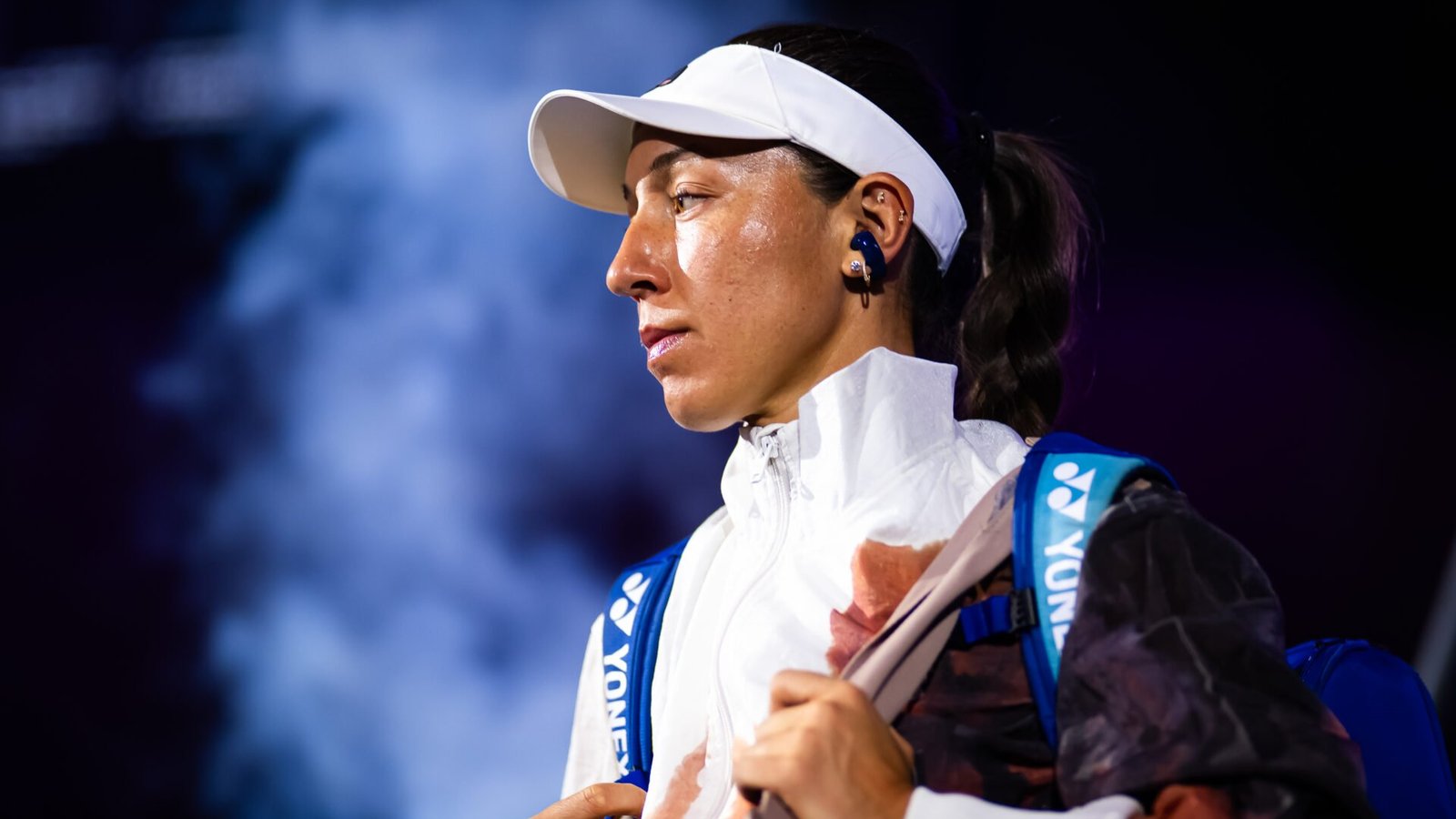
Jessica Pegula’s Steady Rise: From Outsider to Semifinal Contender
In the swirling heat of Riyadh, Jessica Pegula stepped onto the court with a determination that belied her understated reputation. The WTA Finals, notorious for unpredictable outcomes and high-stakes drama, had already seen its share of shake-ups. But on this day, Pegula was all business, dispatching Italy’s Jasmine Paolini 6-2, 6-3 and inching closer to a coveted spot in the semifinals.
Her performance was clinical. Four breaks of serve. Relentless forehands. A confidence that seemed to grow with each point. “I’m glad to get a win in straights for the first time in months,” Pegula admitted after the match, relief flickering in her voice. For a player who struggled with injuries and inconsistency last season, this was a statement: Pegula was no longer just making up the numbers.
Group Stage Drama: The Mathematics of Qualification
The group stage permutations at the WTA Finals are famously complex, and this year was no exception. With Aryna Sabalenka, Coco Gauff, and Pegula all battling for two spots, the math was dizzying. Sabalenka, world No. 1, had already notched two wins, including a tense three-setter against Pegula. Gauff, the defending champion, was locked in a rivalry with Sabalenka—one that had spilled over from their contentious French Open final earlier in the year.
Pegula’s win over Paolini set up a three-way fight. The scenarios were intricate: depending on the results and set scores between Gauff and Sabalenka, Pegula could either sail through or be edged out by the slimmest of margins. As The Guardian observed, “If she could win the thing, that’d be a massive statement as regards next season.”
But Pegula wasn’t getting lost in the calculations. “I think I’m through, and now I need to focus on who’s next,” she told reporters. With the semifinals beckoning, her attention turned to possible opponents Elena Rybakina or Amanda Anisimova—each formidable, each hungry for the same prize.
Inside the Match: Pegula’s Clinical Approach
From the outset, Pegula looked locked in. She broke Paolini early, using her forehand to dictate rallies and force errors. Paolini, visibly tired and coming off a week of illness and elimination from doubles, did her best to compete. But Pegula’s consistency off the ground, especially on return games, kept the Italian under constant pressure.
“Pegula is someone I’ve never thought could beat the top players in majors,” wrote The Guardian, “but she’s doing a much better job of finding a way to compete when physically she’s overmatched, principally because of her forehand.”
The stats told the story: Pegula faced only a handful of break points and sealed the match with an ace, her serve growing more reliable just when she needed it most. This wasn’t the Pegula of last year, who exited the tournament with two losses and a knee injury. This was a player peaking at 31, quietly building the tools to challenge the sport’s elite.
Pegula’s Perspective: On Fans and the Saudi Stage
After the match, Pegula was asked about the atmosphere in Saudi Arabia—a country new to hosting the WTA’s showpiece event. The crowd had been sparse, the noise subdued. But Pegula was diplomatic: “I hope the game can grow in the Gulf area,” she said, acknowledging both the novelty and the opportunity of tennis in the region.
Her comments reflected a broader awareness among players. The WTA’s move to Riyadh was controversial, with some questioning the choice of venue and others embracing the chance to reach new fans. Pegula, ever the professional, complimented the supporters who did show up, even if the stands weren’t full. As The Tennis Gazette noted, she “took the time to answer questions on court before heading back to the locker room,” showing her trademark poise.
What’s Next: Semifinal Stakes and the Future
With her victory, Pegula all but secured her spot in the semifinals. Only the outcome of Gauff vs. Sabalenka—and a complex tally of sets and games—could potentially block her path. But even in the uncertainty, Pegula’s trajectory was clear. She had beaten Gauff earlier in the week and pushed Sabalenka to the brink. Her game, built on precision rather than raw power, was earning respect in a field dominated by big hitters.
There’s something quietly revolutionary about Pegula’s rise. In an era obsessed with speed and strength, she’s proving that intelligence and adaptability still matter. “It might just be that Pegula is hitting her peak at 31,” mused The Guardian. If so, the rest of the tour should take notice.
As the WTA Finals move toward their climax, Pegula stands as a symbol of persistence and late-blooming excellence. She may not have the most weapons, but she’s learned to use what she has—turning forehands into statements, and matches into opportunities. Whether or not she lifts the trophy, she’s already changed the conversation.
Jessica Pegula’s performance in Riyadh is a testament to the value of steady improvement and mental resilience. In a tournament where power often overshadows patience, Pegula’s clinical win and her thoughtful approach to the evolving tennis landscape set her apart—not just as a contender, but as a model of what quiet confidence can achieve at the highest level.