

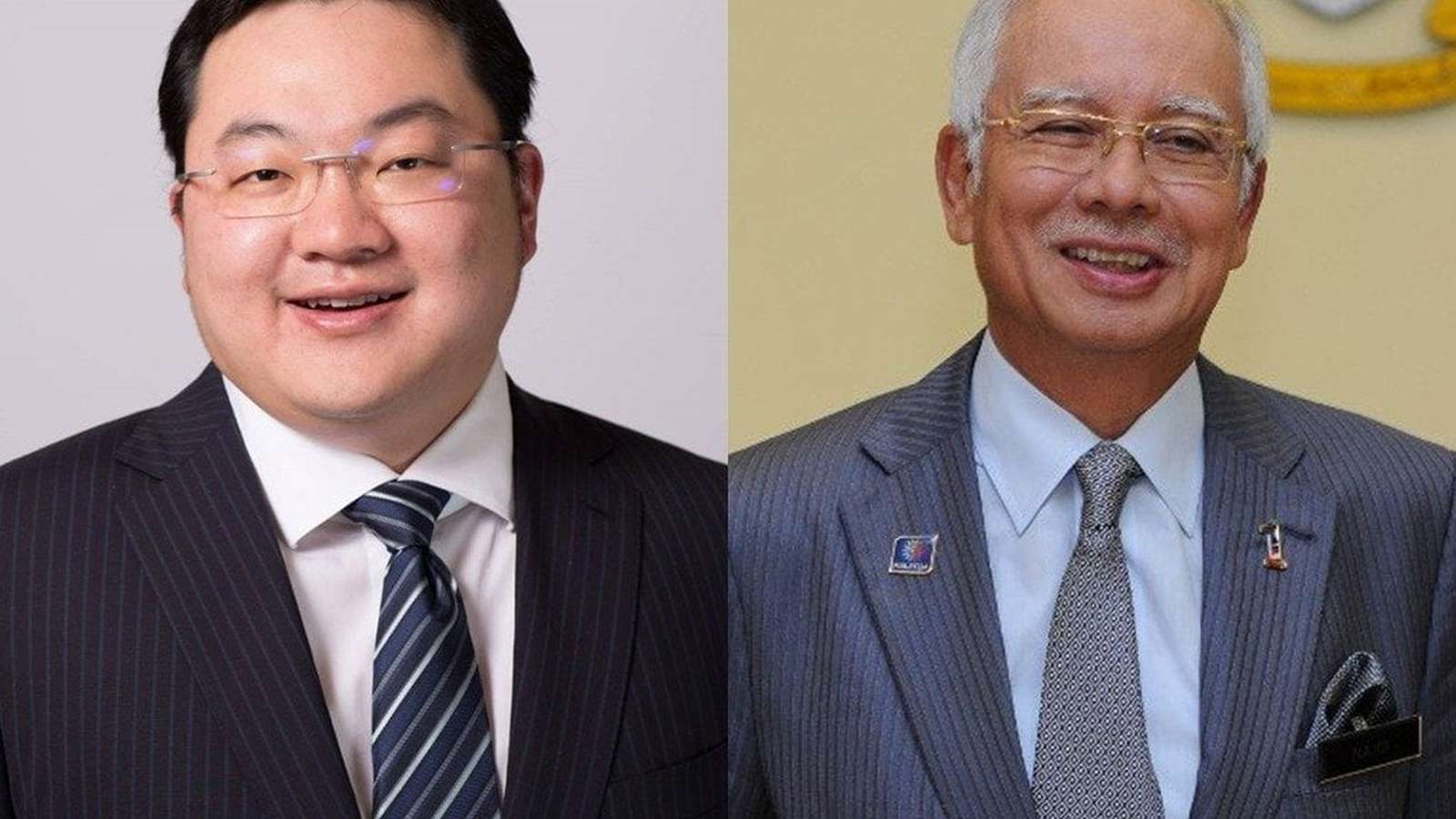
Quick Read
- Jho Low filed a pardon application with the US DOJ in early 2026.
- The 1MDB scandal involved the misappropriation of $4.5 billion.
- Malaysian authorities strongly oppose the pardon, calling for Low’s arrest.
- Low previously forfeited $1 billion in assets to the US in 2019.
- The application is listed as a ‘pardon after completion of sentence’ despite Low being a fugitive.
The Fugitive’s Final Appeal: Jho Low and the US Executive Power
On May 12, 2026, the international legal landscape was jolted by the revelation that Taek Jho Low, the central architect of the 1Malaysia Development Berhad (1MDB) scandal, has formally petitioned the United States Department of Justice for a presidential pardon. This move, targeting the administration of President Donald Trump, represents a high-stakes attempt to resolve a decade-long pursuit of justice involving the misappropriation of over $4.5 billion from Malaysia’s sovereign wealth fund. The application, appearing on the DOJ’s public database under the category of “pardon after completion of sentence,” has raised significant legal questions, given that Low has never been in custody nor served a sentence in the United States.
Low’s legal strategy appears to leverage the unique executive clemency powers of the US presidency to bypass the traditional judicial process. By seeking a pardon, Low aims to dissolve the federal indictments for money laundering and Foreign Corrupt Practices Act (FCPA) violations that have rendered him a global pariah since 2016. According to reports by the Wall Street Journal, the application was filed earlier this year, signaling a calculated bet on the current administration’s willingness to utilize its pardon power for high-profile financial cases that involve complex international diplomatic dimensions.
Geopolitical Stakes and the Malaysian Response
The implications of a potential pardon for Jho Low extend far beyond the borders of the United States. In Malaysia, where the 1MDB scandal precipitated the fall of the Najib Razak government and triggered a national economic crisis, the reaction has been one of stern opposition. Johari Abdul Ghani, the chair of the Malaysian taskforce for 1MDB asset recovery, has publicly urged the US government to reject the application. “As far as I’m concerned, I’m against the pardon,” Johari stated, emphasizing that the US should prioritize assisting Malaysia in locating the fugitive rather than granting him legal immunity.
The timing of the application is particularly sensitive. It follows reports that Malaysia had temporarily lifted an Interpol Red Notice against Low to facilitate negotiations regarding the return of stolen assets. This tactical maneuver by Kuala Lumpur was intended to provide a window for the recovery of billions in offshore accounts, but it may have inadvertently emboldened Low to seek a permanent legal resolution through the US executive branch. Prime Minister Anwar Ibrahim’s administration continues to face immense domestic pressure to bring Low to justice, making any perceived leniency from Washington a potential flashpoint in US-Malaysia bilateral relations.
The 1MDB Legacy and the Integrity of the Pardon System
The 1MDB investigation remains one of the most significant kleptocracy cases in global history. Since 2019, the US Justice Department has already recouped approximately $1 billion from Low through civil forfeiture settlements, involving luxury real estate in Beverly Hills and New York, as well as high-end art and a private jet. However, the criminal charges remain the primary obstacle to Low’s freedom of movement. Legal analysts suggest that granting a pardon to a fugitive who has actively evaded the court system for years would set a controversial precedent, potentially undermining the Department of Justice’s long-term efforts to combat global corruption.
While White House officials have stated that Low’s request is “not on the radar,” the presence of the filing on the DOJ website confirms that the administrative process is underway. The decision now rests on the intersection of legal policy and political will. For the US, the choice involves weighing the recovery of remaining assets against the institutional commitment to the rule of law and international anti-corruption treaties. For Low, the pardon represents the only viable path to re-entering the global financial system without the threat of life imprisonment.
Azat TV Assessment: The application by Jho Low is less a legal defense and more a geopolitical maneuver designed to exploit the discretionary nature of the US pardon system. If granted, it would signal a profound shift in how the United States approaches international financial crime, prioritizing transactional settlements over punitive justice. This case serves as a critical test for the integrity of the US executive branch’s oversight of the Justice Department’s historical efforts to dismantle the 1MDB fraud network.