
Quick Read
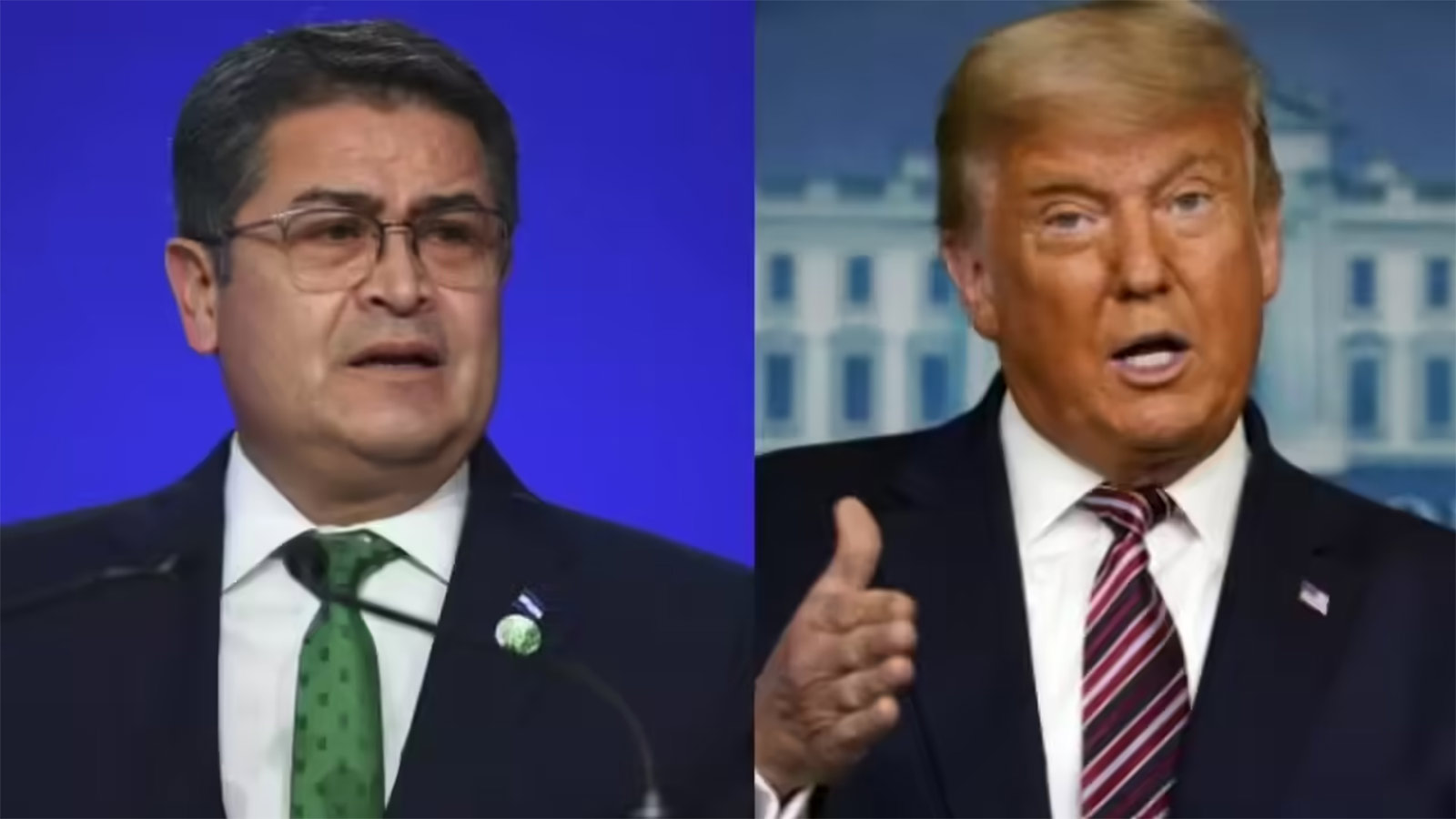
- Juan Orlando Hernández, $1 of Honduras, was released from US prison after Trump issued a full pardon.
- Hernández was convicted in 2024 for drug trafficking and sentenced to 45 years, plus an $8 million fine.
- Trump claimed the case was a politically motivated ‘Biden administration set up.’
- The White House defended the pardon amid criticism, citing alleged over-prosecution.
- Hernández’s release coincides with a tightly contested Honduran presidential election.
Trump’s Pardon Sparks Outrage and Relief
Juan Orlando Hernández, once the most powerful man in Honduras, walked free from USP Hazelton, West Virginia, on Monday after President Donald Trump issued a full pardon that erased his 2024 conviction for drug trafficking and possession of machine guns. The decision came after nearly four years behind bars and has sent shockwaves through political circles in both the United States and Central America.
Hernández, a stalwart of Honduras’s National Party, ruled the country from 2014 to 2022. His extradition to the US in April 2022 followed damning allegations: that he had overseen Honduras as a “narco-state,” accepting millions in bribes from drug cartels while helping smuggle hundreds of tonnes of cocaine to the United States. Prosecutors in New York painted a picture of a leader deeply intertwined with organized crime, arguing that he used his office not just for personal enrichment but also to consolidate power.
In March 2024, Hernández was found guilty and sentenced to 45 years in prison, alongside an $8 million fine—a dramatic fall for a man who once counted the US as an ally in the fight against trafficking. But his imprisonment was never far from political controversy.
Trump’s Reasoning: Justice or Political Maneuver?
Donald Trump’s decision to pardon Hernández has ignited fierce debate. Announcing the move on social media, Trump declared Hernández had been “treated very harshly and unfairly,” calling the case a “Biden administration set up.” According to Trump, the charges were politically motivated, targeting Hernández as the opposition and as a critic of leftist leaders in Latin America.
Trump doubled down on his rationale while speaking to reporters on Air Force One. “They basically said he was a drug dealer because he was the president of the country,” Trump asserted, framing the prosecution as a partisan attack.
Karoline Leavitt, Trump’s press secretary, echoed these sentiments, characterizing the prosecution as “Biden over-prosecution.” She argued that Hernández’s opposition to the previous administration’s values made him a target.
However, the facts are more nuanced. As CNN reported, some of Hernández’s legal troubles trace back to Trump’s own first term, when his brother was prosecuted by Emil Bove—who later became a federal judge nominated by Trump. This blurs the lines of blame and suggests that the prosecution’s roots run deeper than current political narratives.
Mixed Reactions: Relief, Anger, and Political Fallout
For Hernández and his family, the pardon is a moment of relief. His wife, Ana García de Hernández, posted on social media, thanking Trump for “correcting this injustice” and celebrating her husband’s freedom. Hernández’s attorney, Renato Stabile, described him as glad the ordeal was over and eager to reclaim his life.
But not everyone is celebrating. The White House faced immediate criticism for granting clemency to a convicted drug trafficker, especially amid ongoing US-led efforts to combat cartels in the Caribbean. Critics argue that the move undermines years of anti-trafficking work, while supporters claim it corrects an overzealous prosecution.
Behind the scenes, several figures lobbied for Hernández’s pardon, including Roger Stone, a longtime Trump ally. Stone claimed that Hernández was targeted for political reasons and urged Trump to intervene. The lobbying campaign, combined with Trump’s own public statements, highlights the complex web of personal relationships and political calculations that often drive high-profile pardons.
Implications for Honduras and US-Latin Relations
Hernández’s release comes at a delicate time for Honduras. The country is locked in a “technical tie” over its presidential election, with right-wing candidate Nasry Asfura narrowly ahead of centrist Salvador Nasralla. Trump has weighed in on Honduran politics, praising Asfura as a defender of democracy and criticizing Nasralla as “a borderline Communist.”
The country’s current president, Xiomara Castro, has shifted Honduras’s foreign policy, forging close ties with Cuba and Venezuela. Trump’s comments and the pardon of Hernández add further complexity to the region’s diplomatic landscape, especially as the US continues its campaign against leftist leaders like Venezuela’s Nicolás Maduro, whom it accuses of leading a drug cartel.
For many in Honduras, Hernández’s release raises uncomfortable questions about the intersection of justice, politics, and international influence. Was this a case of correcting an injustice, or was it a politically motivated act that could undermine future efforts to hold leaders accountable?
The Story Within the Story: Justice or Power Play?
The saga of Juan Orlando Hernández is not just about one man’s fate. It is about the broader struggle for accountability and the perils of politicizing justice. The case reveals how powerful leaders, international alliances, and domestic politics can collide—sometimes with unpredictable consequences.
In the corridors of power, facts and narratives are often twisted to serve political ends. The debate over Hernández’s pardon is a microcosm of larger tensions: between justice and expediency, between sovereignty and international pressure, and between the rule of law and the will of those in charge.
As Honduras heads into a pivotal election, and as the US continues to shape its approach to Latin America, the story of Hernández’s release will linger as a symbol of the ongoing contest between power and principle.
Ultimately, the release of Juan Orlando Hernández underscores the fragility of justice in a world where political interests and international relationships can override the verdicts of courts. While his freedom brings relief to some, it also sets a precedent that may echo across future cases—challenging the integrity of legal systems and the trust of the public.