
Quick Read
- Judge Sara Ellis’s climate case rulings highlight the high legal bar for youth plaintiffs seeking government action.
- Existing precedent, such as Juliana v. United States, often compels dismissal due to lack of standing.
- Courts are restrained by constitutional boundaries and separation of powers, limiting judicial intervention in climate policy.
- Expert testimony underscores the urgency, but legal remedies remain elusive within the current framework.
Legal Precedent Defines the Limits: Judge Sara Ellis and Youth Climate Lawsuits
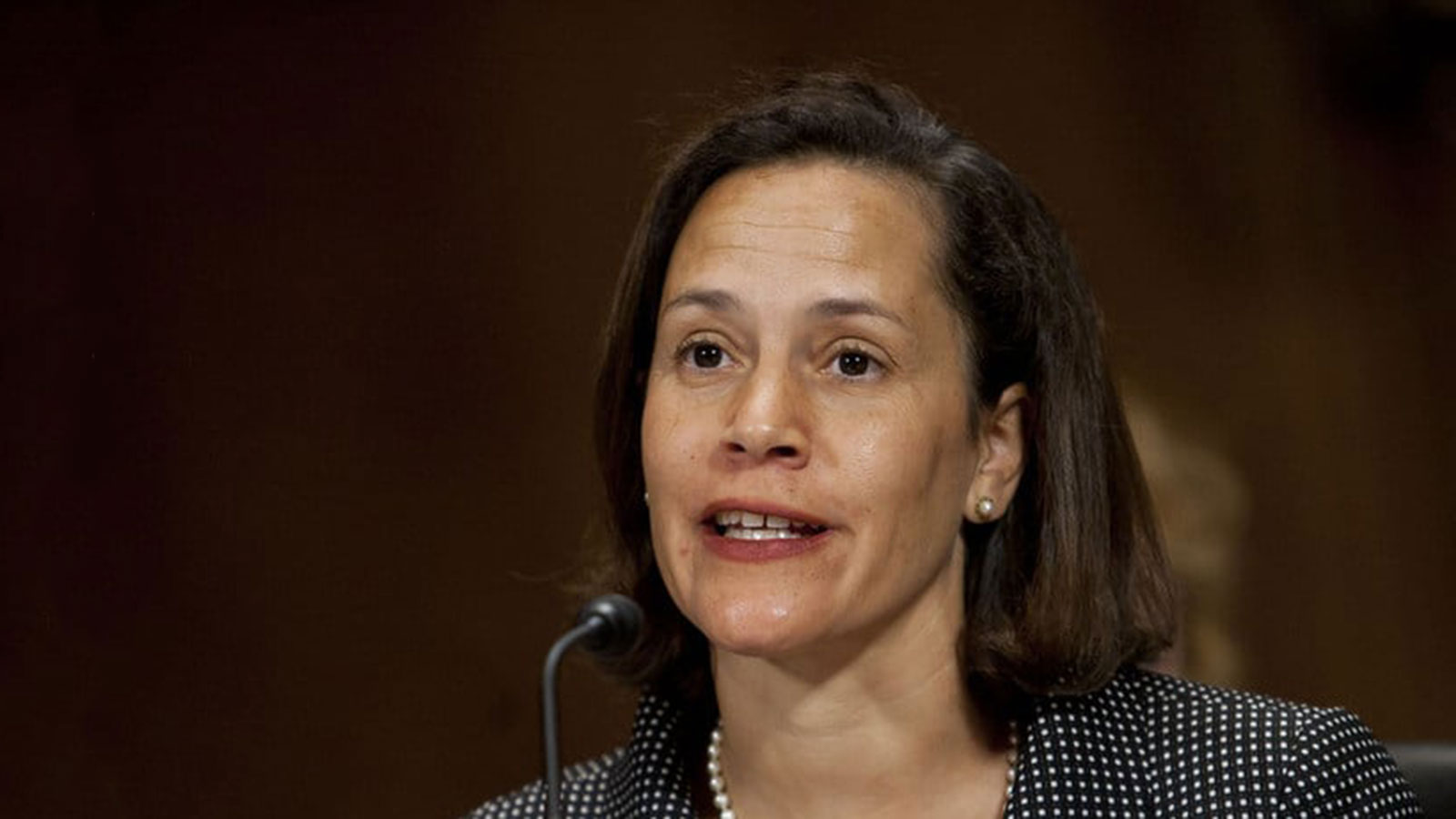
If you ask young climate activists about the courtroom, you’ll hear stories of hope, frustration, and the weight of precedent. Judge Sara Ellis, whose rulings on high-profile climate cases have come under scrutiny, stands at the intersection of law, activism, and constitutional boundaries.
For many, the legal route seems like the final frontier—a place where the voices of young plaintiffs, demanding urgent action against climate change, might be heard and vindicated. Yet, as the recent dismissal of Lighthiser v. Trump by another district judge demonstrates, the path is riddled with obstacles.
Standing and Constitutional Boundaries: The Core Challenge
At the heart of these lawsuits is a fundamental legal question: do young people have the standing to sue the federal government over climate policy? Judge Ellis, like her colleagues, must interpret not just the facts but decades of constitutional law. The bar for standing is high. Plaintiffs must prove that they have suffered a concrete injury, that the government caused it, and that the court can remedy it.
These requirements, rooted in Article III of the U.S. Constitution, are not easily met. As seen in Juliana v. United States—a case often cited in climate litigation—the Ninth Circuit held that youth plaintiffs lacked standing. Their grievances, while urgent and sincere, did not translate into the kind of legal harm recognized by the courts.
Judge Ellis’s approach, grounded in precedent, underscores the boundaries judges face. Even when presented with compelling expert testimony and passionate pleas, the court is constrained by existing law. The Constitution, as interpreted by higher courts, sets strict limits on judicial intervention in executive policy.
Youth Activism Meets Judicial Restraint
It’s a collision of worlds: the activism of youth, who see climate change as an existential threat, and the cautious, methodical pace of the judiciary. Plaintiffs in these cases often ask for sweeping remedies—such as ordering the government to restore previous climate policies or halt emissions. But judges like Ellis must weigh not only the merits of the claims but the separation of powers.
As highlighted in the dismissal of Lighthiser v. Trump, courts are wary of overstepping their authority. Judge Christensen’s decision to hold an evidentiary hearing, though unusual, did not change the outcome. The law, as it stands, does not allow federal judges to mandate executive policy changes on climate grounds. Any amendment to the complaint, as Christensen noted, would be futile—a sentiment echoed by Ellis in similar cases.
The futility is not lost on those in the courtroom. Plaintiffs and their advocates often leave disappointed but undeterred, turning to appeals and public advocacy. The legal losses, paradoxically, fuel further activism, as each decision becomes a rallying point.
Expert Testimony and the Limits of Judicial Power
One striking aspect of these cases is the reliance on expert witnesses. Renowned scientists, economists, and legal scholars take the stand to detail the consequences of climate inaction. The evidence is compelling, and the urgency palpable. Yet, the court’s task is not to solve climate change but to interpret the law.
Judge Ellis, faced with such testimony, must decide not just what is true, but what is legally actionable. The distinction is crucial. While the harm described may be real, the remedy may be out of reach for the judiciary. The separation of powers—a bedrock of American government—means that some solutions lie with Congress or the executive, not the courts.
This tension is evident in the language of judicial decisions. Dismissals are often “reluctant,” recognizing the seriousness of the issue but pointing to the constraints of jurisdiction and legal precedent.
Appeals, Advocacy, and the Road Ahead
The cycle continues. Plaintiffs appeal, seeking a more sympathetic ear at higher courts. Legal scholars debate the boundaries of standing and constitutional rights in law reviews and op-eds. Meanwhile, the world outside the courtroom grows warmer, and the political debate over climate policy intensifies.
Judge Ellis’s rulings, like those of her peers, do not end the conversation. Instead, they force activists and policymakers to rethink strategies. If the courts are not the answer, where should the fight go next? Is legislative change more promising, or can a breakthrough in constitutional interpretation unlock new possibilities?
For now, the answer remains elusive. The legal system is designed to be cautious, incremental. It resists sweeping change, especially on issues as complex and far-reaching as climate policy.
Conclusion: The Role of Judges in Shaping Climate Litigation
Judge Sara Ellis’s approach is emblematic of the broader judicial response to youth climate activism. Her decisions reflect a deep respect for the rule of law and the limits of judicial power. While the courts may not provide the sweeping remedies activists seek, they play a vital role in clarifying the boundaries of constitutional rights and government responsibility.
The courtroom, in this sense, is both a forum for debate and a mirror for society’s values. It is where hope meets reality, and where the slow machinery of justice grinds against the urgency of environmental crisis.
Judge Ellis’s stance, shaped by precedent and constitutional principles, demonstrates how the judiciary navigates the tension between urgent public demands and the rule of law. Her rulings remind us that while the courts are not the ultimate solution to climate change, they are crucial in defining the pathways—and the limits—of legal activism.