
Quick Read
- A federal judge ruled that Trump’s deployment of military forces in Los Angeles violated the Posse Comitatus Act.
- The 1878 law prohibits military involvement in domestic law enforcement without Congressional approval.
- Judge Charles Breyer’s decision blocks further military actions in California unless valid exceptions are invoked.
- The Trump administration plans to appeal the ruling, which takes effect on September 12, 2025.
- The case underscores the importance of maintaining civilian oversight of military operations.
A federal judge in California has ruled that President Donald Trump violated the Posse Comitatus Act when he deployed the National Guard and U.S. Marines to Los Angeles in June 2025. Judge Charles Breyer, in a 52-page decision issued on September 2, 2025, declared that the use of military forces to execute domestic laws was unconstitutional and a breach of federal law dating back to 1878. The ruling has significant implications for the Trump administration’s broader plans to deploy military personnel in other U.S. cities.
The Posse Comitatus Act: Historical Context and Legal Framework
The Posse Comitatus Act, passed in 1878, was designed to limit the federal government’s ability to use the military for domestic law enforcement. The law ensures that civilian law enforcement agencies maintain authority over domestic affairs unless Congress explicitly authorizes military involvement. Legal experts have noted that the act is a cornerstone of American democracy, safeguarding against the misuse of military power in civilian life. However, exceptions exist, such as the Insurrection Act, which allows for military intervention under specific circumstances.
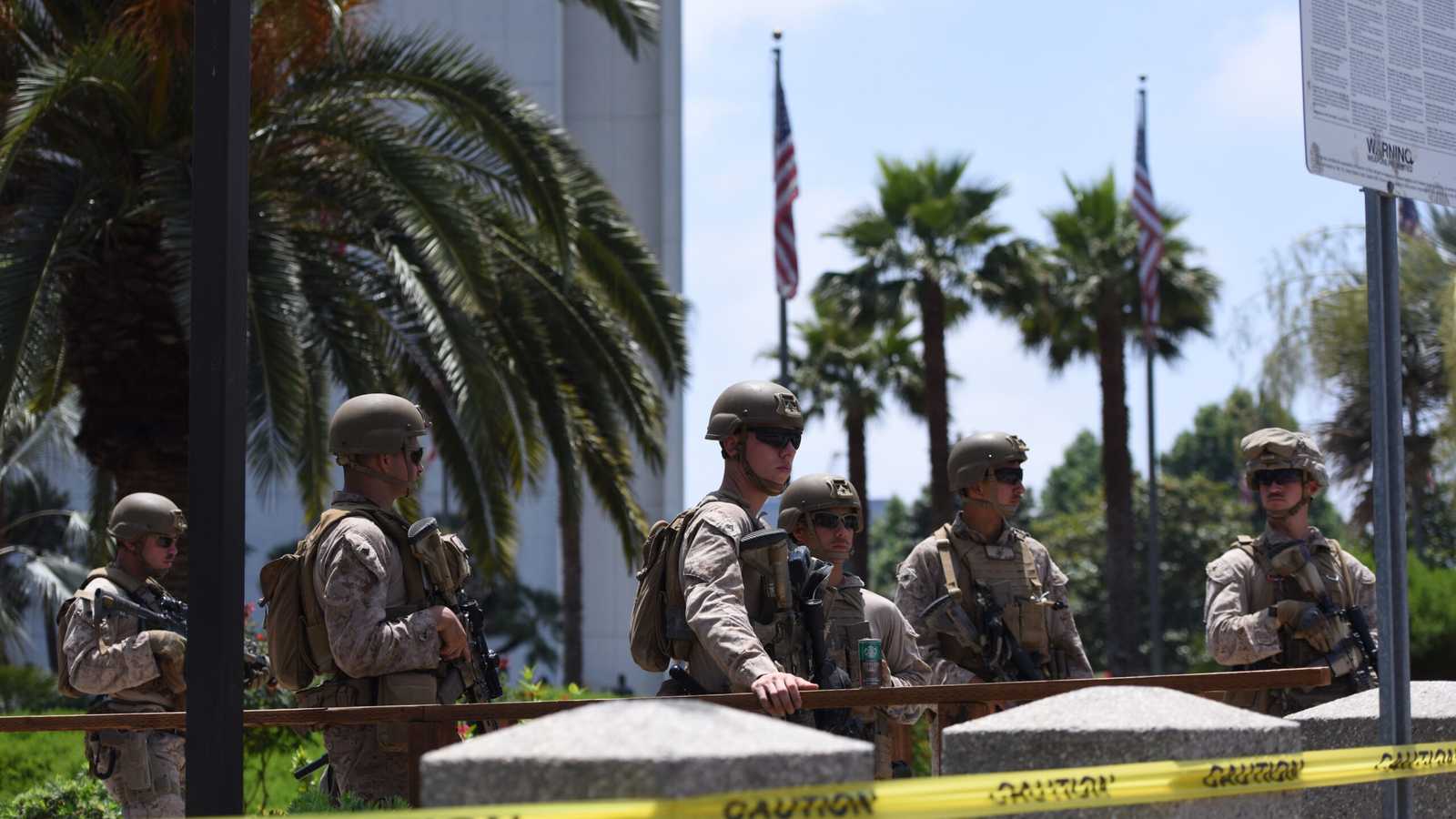
Judge Breyer’s ruling emphasized that the Trump administration did not invoke the Insurrection Act or any other valid legal exception. Instead, the deployment of approximately 4,000 National Guard troops and 700 Marines in Los Angeles was framed as a response to protests against immigration raids. According to CalMatters, the troops performed activities such as crowd control, traffic blockades, and security patrols—actions explicitly prohibited by the Posse Comitatus Act.
Details of the Los Angeles Deployment
The deployment began in June 2025, following protests sparked by federal immigration enforcement actions in Los Angeles. Federal officials argued that the military presence was necessary to protect federal property and ensure public safety. However, California officials, including Governor Gavin Newsom, contended that local law enforcement was fully capable of handling the situation without military intervention.
Evidence presented during the trial revealed that military personnel engaged in over 60 operations alongside federal immigration agents, often performing tasks such as setting up armed perimeters and conducting crowd control. Judge Breyer noted that the military’s involvement blurred the lines between civilian and military roles, creating a “national police force with the president as its chief.” This sentiment was echoed by California Attorney General Rob Bonta, who stated that the ruling reaffirmed the principle that the military should remain apolitical and its activities on U.S. soil highly restricted.
According to BBC News, the Trump administration plans to appeal the ruling, with White House spokeswoman Anna Kelly describing Judge Breyer as a “rogue judge” attempting to undermine the president’s authority. The injunction, which blocks further military involvement in domestic law enforcement in California, is set to take effect on September 12, 2025, unless overturned by a higher court.
Implications for Other U.S. Cities
Judge Breyer’s decision is limited to California but could influence legal challenges in other states where the Trump administration has deployed or plans to deploy military forces. In recent months, President Trump has expressed intentions to send troops to cities like Washington, D.C., Chicago, and Oakland, citing rising crime and civil unrest. Critics argue that such actions represent an overreach of executive power and risk eroding constitutional protections against military involvement in civilian affairs.
As reported by MSNBC, the ruling also raises questions about the legal status of the National Guard when federalized. The federal government argued that the National Guard is not subject to the Posse Comitatus Act under such circumstances. However, Judge Breyer dismissed this claim, stating that federalized troops remain bound by the law unless a valid exception is invoked. This interpretation could have far-reaching consequences for how the National Guard is utilized in future domestic operations.
Reactions and Broader Significance
The ruling has drawn mixed reactions from political leaders and legal experts. Governor Newsom praised the decision, calling it a victory for democracy and the Constitution. In contrast, the Trump administration maintains that the military deployment was necessary to protect American cities from violence and destruction.
Legal scholars view the decision as a critical check on presidential power. By reaffirming the limitations imposed by the Posse Comitatus Act, the ruling underscores the importance of maintaining a clear separation between military and civilian roles. As Judge Breyer wrote, allowing the military to perform law enforcement tasks without explicit authorization would grant the president “limitless power,” undermining the balance of power envisioned by the Constitution.
Judge Breyer’s ruling not only halts the Trump administration’s use of military forces in Los Angeles but also serves as a broader warning against the erosion of democratic principles. As the legal battle continues, the case highlights the enduring relevance of the Posse Comitatus Act in protecting civil liberties and preserving the rule of law.