
Quick Read
- Starting in 2026, Juneteenth and Martin Luther King Jr. Day will no longer grant free admission to US national parks.
- The Trump administration added the president’s birthday as a new free-admission day.
- Advocates say the change undermines access and representation for Black communities.
- Other holidays like Presidents Day, Memorial Day, and Independence Day remain as free-entry days.
- Moves to control historical narratives in parks have also been reported.
Why Juneteenth Matters: More Than Just a Holiday
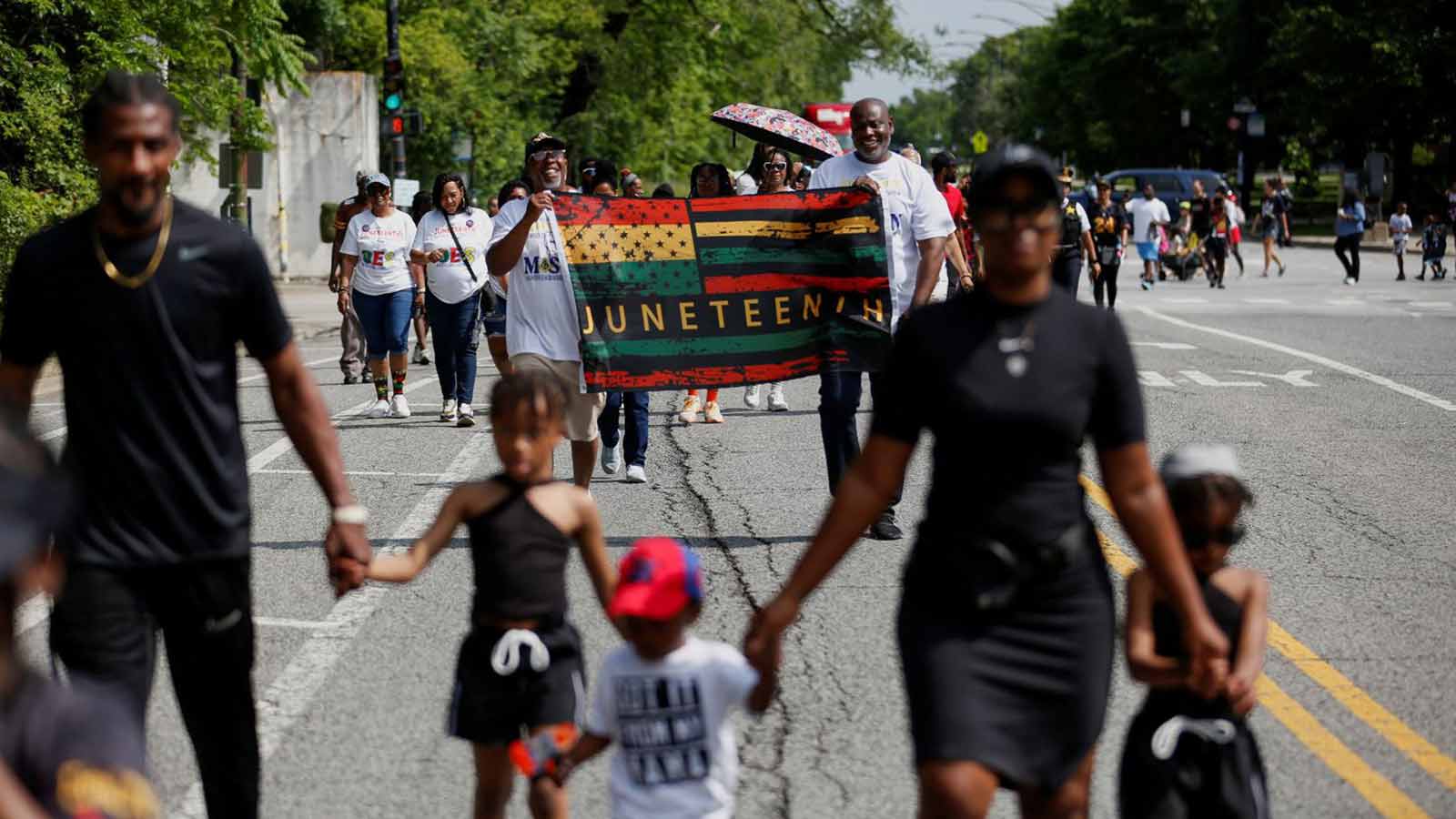
Juneteenth, observed every June 19, is a federal holiday honoring the end of slavery in the United States. For many, it’s not just a day off—it’s a living symbol of freedom, resilience, and the ongoing struggle for racial justice. In recent years, Juneteenth has evolved from local celebrations in Black communities to a nationwide acknowledgment of hard-won liberties, culminating in its designation as a federal holiday in 2021.
Yet, for all its symbolic power, the way Juneteenth is recognized—or ignored—by institutions still sends ripples through the fabric of American society. Nowhere is this more apparent than in the recent policy shift affecting national parks, spaces meant to be open and welcoming to all Americans.
National Parks Change Course: Free Admission Days Reconsidered
According to La Voce di New York, beginning in 2026, the Trump administration has removed Juneteenth and Martin Luther King Jr. Day from the list of holidays granting free admission to the United States’ 116 national parks. Instead, the new policy adds the president’s birthday, June 14, as a free-entry day. This adjustment coincides with a broader trend of reshaping which histories and communities are highlighted—or sidelined—in public spaces.
Historically, both MLK Day and Juneteenth served as important access points for communities of color, especially Black Americans, to enjoy public lands without the barrier of entrance fees. Martin Luther King Jr. Day, marked every third Monday in January, was the first free-admission day of the year, and Juneteenth, every June 19, commemorated the emancipation of enslaved people in Texas in 1865. Their removal is more than a logistical change—it’s a recalibration of whose stories and celebrations are given space in the nation’s natural heritage.
Other free-admission days for 2026 will include Presidents Day (Washington’s birthday), Memorial Day, Independence Day weekend, the 110th anniversary of the National Park Service, Constitution Day, Theodore Roosevelt’s birthday, and Veterans Day. National Public Lands Day and the anniversary of the Great American Outdoors Act were also cut from the list, but it is the exclusion of holidays honoring Black history that has drawn the sharpest criticism.
Community Response: ‘A Troubling Message’
The reaction from advocacy groups was swift and pointed. Tyrhee Moore, executive director of Soul Trak Outdoors—a nonprofit that connects urban communities of color to the outdoors—summed up the concerns: “Removing free-entry days on MLK Day and Juneteenth sends a troubling message about who our national parks are for. These holidays hold profound cultural and historical significance for Black communities, and eliminating them as access points feels like a direct targeting of the very groups who already face systemic barriers to the outdoors.”
Moore’s comments reflect a wider anxiety that this policy shift is not merely administrative but emblematic of a deeper struggle over representation, access, and belonging. For many, national parks are more than scenic escapes—they are shared spaces that should reflect the diversity of American stories. Policies that seem to narrow this inclusivity risk reinforcing historic inequalities and alienating communities who have fought for visibility.
Controlling the Narrative: What Gets Remembered, What Gets Forgotten
This is not an isolated policy tweak. The Trump administration has also made moves to control how history is presented within national parks. In May, US Interior Secretary Doug Burgum directed park officials to display signs encouraging visitors to report any information that appears negative about past or present American citizens. By June, such signs had appeared at Manzanar National Historic Site, a former internment camp for Japanese Americans during World War II. Over the summer, an exhibit at Muir Woods National Monument discussing colonial violence against Indigenous peoples was removed.
These actions, taken together, raise a critical question: Who decides which histories are celebrated, and which are hidden? The removal of free-admission days tied to Black history seems to fit within a pattern of selective remembrance, one that some see as an attempt to sanitize or minimize painful chapters of the American past.
Barriers Beyond Policy: The Unseen Cost of Exclusion
Free-admission days have long served as a vital gateway for families who might otherwise be priced out of national park experiences. For urban communities and communities of color, which often face economic and logistical barriers to accessing these spaces, such days are more than symbolic—they are practical invitations. Removing them, especially on days with deep cultural resonance, may reinforce the sense that national parks are not truly “for everyone.”
Soul Trak Outdoors and similar organizations work to counter these barriers, but policy decisions at the federal level set the tone for inclusivity nationwide. “Policies like this reinforce inequalities in access and visibly demonstrate how systems can create barriers that prevent communities of color from feeling welcome in public spaces,” Moore observed. The impact, then, is not just on attendance statistics—it reverberates through the lived experiences of those who see themselves reflected, or excluded, in the stories parks choose to tell.
The Road Ahead: What’s at Stake for Juneteenth
As Juneteenth continues to gain recognition across the country, its removal from free-admission days at national parks stands as a litmus test for how public institutions respond to calls for equity and historical reckoning. The decision has sparked debate not only among advocates for racial justice but among all who believe that America’s natural and historical treasures should be accessible to everyone.
Whether this policy will be revisited or revised remains to be seen. But for now, the change is a reminder of how even seemingly small administrative adjustments can carry weighty social and cultural consequences.
Analysis: The removal of Juneteenth from free-admission days at US national parks is not simply a matter of calendar logistics—it’s a statement about visibility, access, and the ongoing contest over public memory. By sidelining holidays that honor Black history, policymakers risk reinforcing historic exclusions and diminishing the role of national parks as spaces of shared heritage. The debate over Juneteenth’s place in America’s parks is, at heart, a question of whose stories we choose to celebrate—and whose we leave at the margins.