


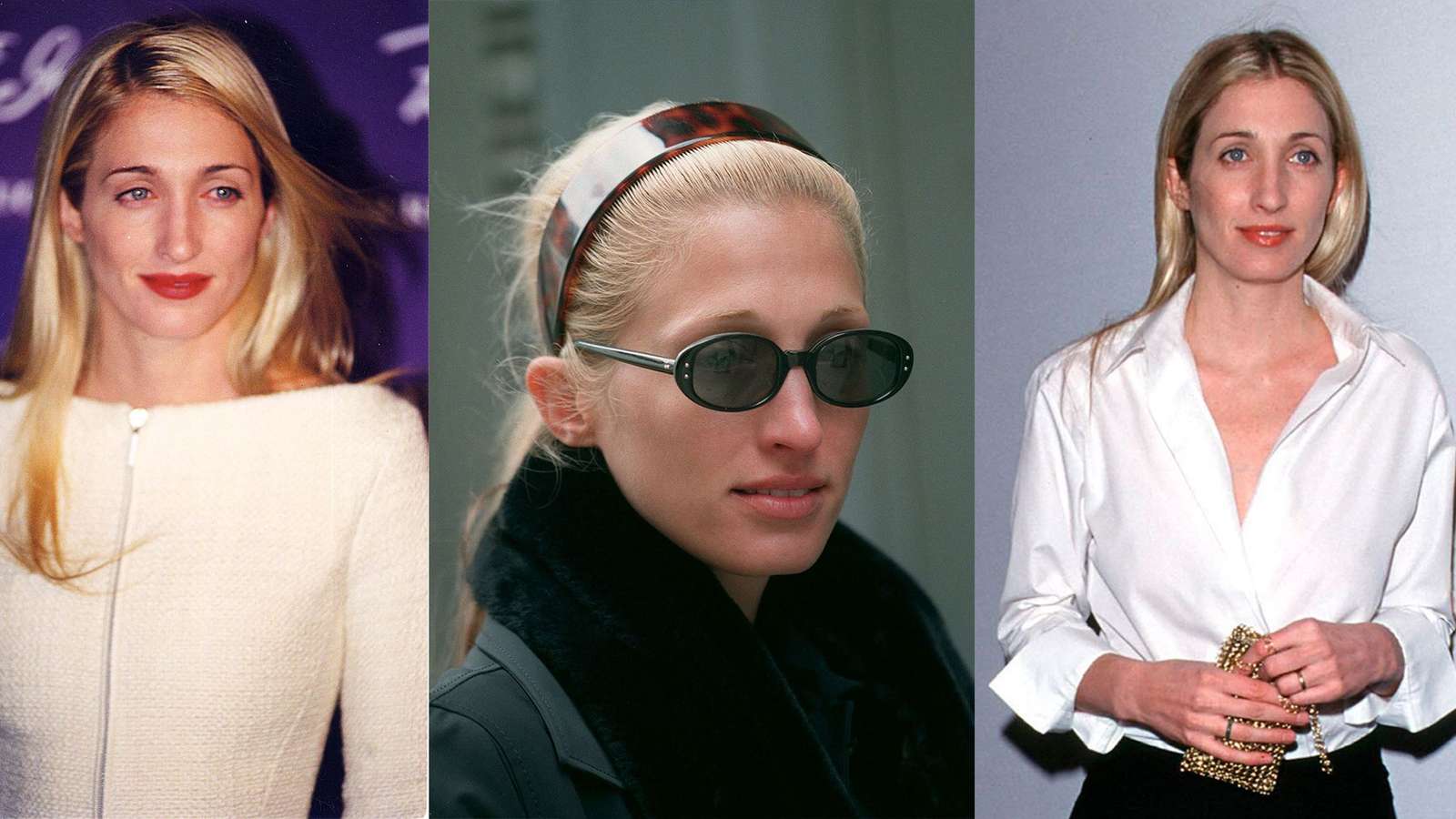
NEW YORK (Azat TV) – The enduring mystique surrounding Carolyn Bessette Kennedy, once a private figure thrust into the global spotlight, has resurfaced with renewed intensity following the release of a new dramatized television series, Love Story: John F. Kennedy Jr. and Carolyn Bessette. While the show has introduced the iconic 1990s couple to a new generation of viewers, it has also prompted a critical re-examination of their lives, highlighting the ongoing tension between popular narrative and historical fact. This current wave of interest is largely fueled by recent biographical works that are actively correcting fictionalized portrayals, offering a clearer, more nuanced understanding of Bessette’s life and legacy.
The series, which explicitly states its content is often “dramatized or fictionalized for storytelling purposes,” has reignited public curiosity about Bessette’s romance with John F. Kennedy Jr., the son of the late President John F. Kennedy. However, the show’s creative liberties have drawn scrutiny from those familiar with the couple’s true story, particularly referencing details from the 2024 book JFK Jr.: An Intimate Oral Biography, co-authored by PEOPLE editor-at-large Liz McNeil and JFK Jr.’s former assistant RoseMarie Terenzio.
Resurfacing the Carolyn Bessette Narrative
The release of Love Story: John F. Kennedy Jr. and Carolyn Bessette has undeniably brought Bessette back into the public consciousness, captivating a new audience with its portrayal of her romance with JFK Jr. The show’s narrative, while engaging, often deviates from documented reality, sparking a broader conversation about how historical figures are represented in popular media. This resurgence of interest offers an opportunity to delve deeper into Bessette’s life, especially given her consistent efforts to maintain privacy during her lifetime, a characteristic notably exemplified by her famously secret wedding.
On September 21, 1996, Bessette and JFK Jr. married in a highly covert ceremony on Cumberland Island, Georgia. The couple meticulously planned their nuptials, inviting only 35 to 40 close friends and family members and giving guests just five days’ notice, often without revealing the true destination. They even used a codename, “Nicole Miller’s wedding,” to maintain secrecy, with caterers and staff signing confidentiality agreements, according to PEOPLE. This extreme dedication to privacy stands in stark contrast to the public dramatization now unfolding on screen, underscoring the delicate balance between public fascination and personal boundaries.
Fact vs. Fiction: Correcting Key Details
The new television series has brought several historical inaccuracies to light, prompting biographers and close associates to clarify the true events. One notable discrepancy involves JFK Jr.’s proposal to Bessette. While the show depicts him using his late mother Jackie Kennedy Onassis’s ring, sources like McNeil and Terenzio’s 2024 book confirm that Bessette received a bespoke ring designed by Maurice Tempelsman, Jackie’s longtime companion, inspired by her ‘swimming ring.’ Jackie’s actual ‘swimming ring’ was given to Bessette as a separate gift later.
Another significant point of contention revolves around the infamous New York City park fight between Bessette and JFK Jr. The series portrays this argument as a reaction to Bessette resisting JFK Jr.’s proposal, but accounts from Steven M. Gillon’s 2019 biography America’s Reluctant Prince and the McNeil-Terenzio book indicate the argument stemmed from Bessette’s frustration over JFK Jr. allowing people to take advantage of him. Bessette did resist the proposal for about three weeks, not due to the public pressure as implied by the show, but from her desire to avoid being ‘under a microscope,’ as Terenzio noted in her book, a detail also reported by AOL.com.
The Impact of Dramatization on Public Memory
Perhaps one of the most impactful aspects of the series has been its portrayal of figures surrounding the couple. Actress Daryl Hannah, who dated JFK Jr. prior to Bessette, has publicly refuted her depiction in the show as ‘untrue.’ Hannah stated in an essay that she has ‘never used cocaine in [her] life or hosted cocaine-fueled parties,’ nor did she ‘pressure anyone into marriage’ or ‘plant any story in the press,’ as suggested by the series. Such strong denials underscore the very real consequences of dramatization, even with disclaimers, on the reputations and public memory of individuals.
The extensive fact-checking now underway, largely facilitated by recent biographical publications, plays a crucial role in distinguishing between entertainment and historical record. This process is vital for ensuring that while the public’s fascination with figures like Carolyn Bessette Kennedy continues, the narrative is grounded in verified accounts rather than solely on fictionalized interpretations. The ongoing dialogue highlights how easily dramatized events can become conflated with reality, particularly for new audiences unfamiliar with the original historical context.
The renewed scrutiny of Carolyn Bessette Kennedy’s life, catalyzed by the new television series, serves as a powerful reminder of how popular culture shapes collective memory, necessitating a continuous effort to align public narratives with documented historical facts, especially for figures who, like Bessette, fiercely guarded their private lives.