
Quick Read
- Keir Starmer’s EU deal aims to strengthen UK-EU ties on security, trade, and climate.
- The agreement reflects a shift from Brexit-era sovereignty arguments to pragmatic cooperation.
- Starmer’s leadership focuses on national interest, jobs, and global stability.
- The deal includes provisions for defense, trade, and youth mobility between the UK and EU.
- Critics argue the deal compromises UK sovereignty, but supporters see it as essential for economic and security benefits.
Keir Starmer’s EU Deal: A Shift Towards Pragmatic Leadership
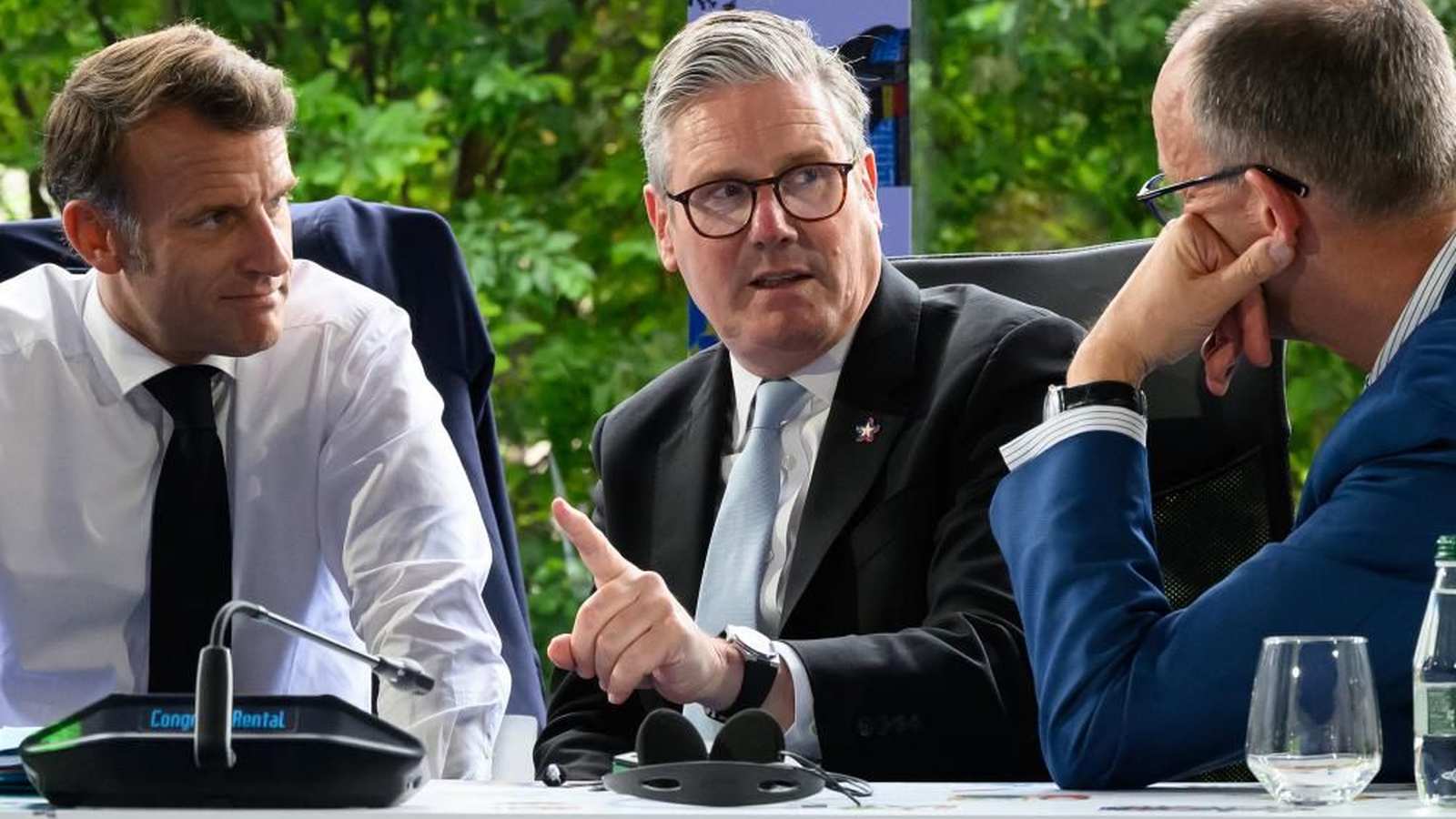
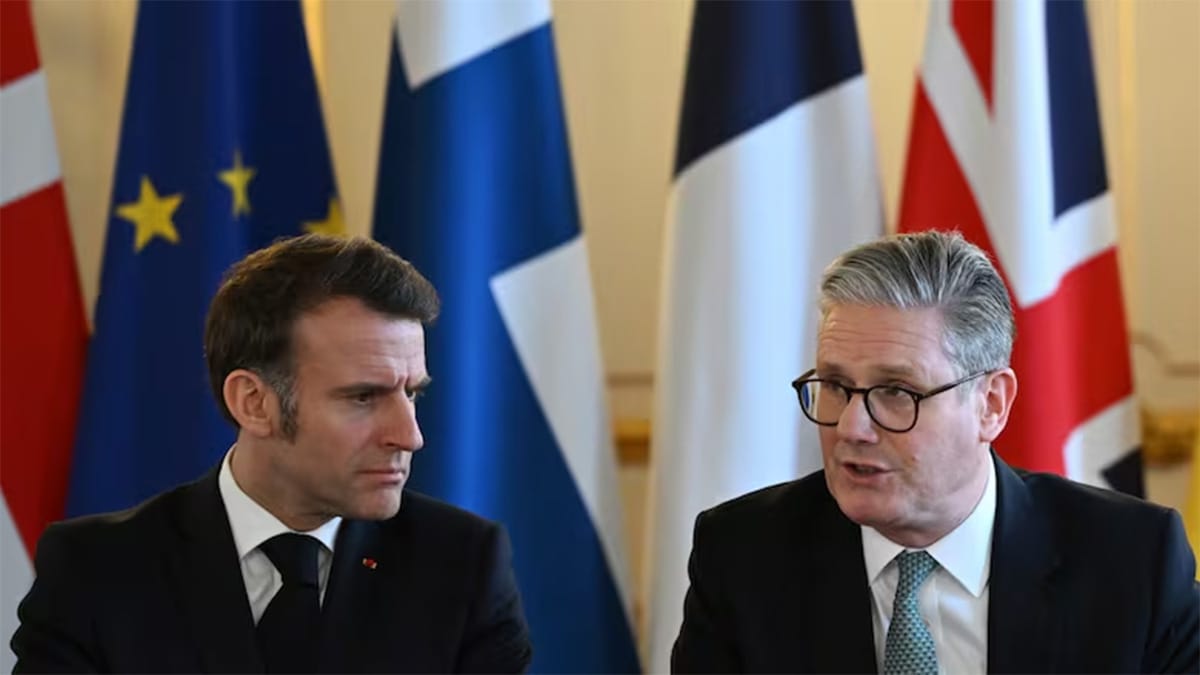
Keir Starmer’s leadership has often been characterized as pragmatic rather than ideological. This approach is set to be underscored by his upcoming deal with the European Union, which aims to strengthen ties on security, trade, and climate issues. The agreement, to be signed in London on Monday, marks a significant shift from the Brexit-era rhetoric of sovereignty and isolationism.
 From Sovereignty to Cooperation
The deal reflects a broader recognition that the challenges facing the UK—ranging from Vladimir Putin’s Russia to the climate crisis—require international cooperation rather than unilateral action. According to senior Downing Street advisers, the threats to national security and economic stability are not confined by borders, making collaboration with the EU essential. «The way to tackle them all is with international cooperation,» one adviser told Politico.
Key Provisions of the Deal
The agreement includes several key provisions designed to benefit the UK economically and strategically. A new security and defense pact will enable democratic nations in Europe to coordinate rearmament efforts, particularly in support of Ukraine. British military manufacturing firms will also gain access to EU procurement contracts, providing a significant boost to the industry.
On the trade front, the deal aims to ease barriers for livestock and fresh food products, addressing long-standing issues that have plagued UK-EU trade since Brexit. While the compromise on EU access to British fishing waters may spark controversy, it is expected to facilitate easier seafood exports for small traders.
 Climate and Energy Cooperation
Another critical aspect of the deal is the linkage of the UK’s carbon emissions trading scheme with the EU’s. Although this may raise concerns about household energy bills, it is seen as essential for securing manufacturing jobs, particularly in industries like steel production. Downing Street has emphasized the importance of «dynamic alignment» with EU rules to gain access to food and energy markets.
Youth Mobility and Immigration
The deal also includes a «statement of intent» on a youth mobility scheme, which will establish a fixed number of visas for young people to work and travel between the UK and the EU. This move is part of a broader effort to ease travel restrictions, particularly for musicians and other professionals touring Europe. While the Home Office remains focused on reducing immigration numbers, the agreement signals a more balanced approach to mobility and labor needs.
Criticism and Support
Critics, particularly from the Reform and Conservative parties, have labeled the deal a «betrayal» of the 2016 Brexit referendum. However, supporters argue that it represents a necessary evolution in UK-EU relations, driven by the realities of a turbulent global landscape. As one adviser noted, «This is a process, not a single event.»
 Starmer’s Leadership Style
Keir Starmer’s approach to the EU deal underscores his reputation as a pragmatic leader. Unlike his predecessors, who often prioritized ideological battles, Starmer focuses on practical outcomes that benefit the national interest. His background as a human rights lawyer and former head of the Crown Prosecution Service has shaped his disdain for performative politics and his commitment to evidence-based decision-making.
In a world increasingly defined by uncertainty and division, Keir Starmer’s EU deal offers a glimpse of a more cooperative and pragmatic future for the UK. While the agreement may not satisfy all critics, it reflects a leadership style that prioritizes stability, security, and economic resilience over ideological purity.
Source: Inkl, Abc, Politico